

A conference snack break has a short service window and several moving parts. Attendance, room changes, facilitators and the choice between sealed handouts and shared refreshments all affect the requirement. A practical buying brief connects those details before asking for products and prices.
A1 Chips provides Corporate Orders and Institution enquiry routes for business and institutional requirements. Use the relevant page to describe the event. Do not assume catering service, personalised gift packing, a fixed delivery time or an unlisted portion format is included.
Define each break separately
Record the event date, venue, expected attendance and number of snack breaks. Clarify whether all attendees receive the same item at every break or whether the selection changes. A two-day programme with different attendance on each day should not be planned as one unchanged headcount.
Separate delegates, organisers, speakers and service staff if they are counted through different systems. Then check for overlap. A speaker registered as a delegate may already be included. This simple reconciliation can prevent both omissions and unnecessary additional packs.
State when the count will be finalised internally. The supplier needs a clear proposed quantity, while the event team needs a decision point for late changes. Keep any contingency allowance visible and explain its reason rather than embedding it invisibly in the attendance figure.
Choose a service format
A sealed-pack handout can be counted by unit and distributed at a defined point. Shared service needs an internal plan for opening packs, identifying the products, serving and handling remaining stock. Choose based on the venue's actual workflow and the organisers' procedures.
Do not infer smaller packs, custom combinations or special wrapping from a general institutional enquiry page. If the event requires a particular format, describe it and ask whether it can be considered. Confirm the actual available format before calculating pack counts and staffing requirements.
Ask the venue team how the snacks will move from receiving to the break area. Storage access, lift use, service tables and the time available for setup can matter. These are operational questions for the event plan, not reasons to assume a particular supplier delivery service.
Build a concise product shortlist
Explore Banana Chips, Murukkus, Mixtures and relevant sweet options from the current catalogue. Give each selected item a role. A limited range can make distribution clearer during a short break, especially when staff must identify products quickly.
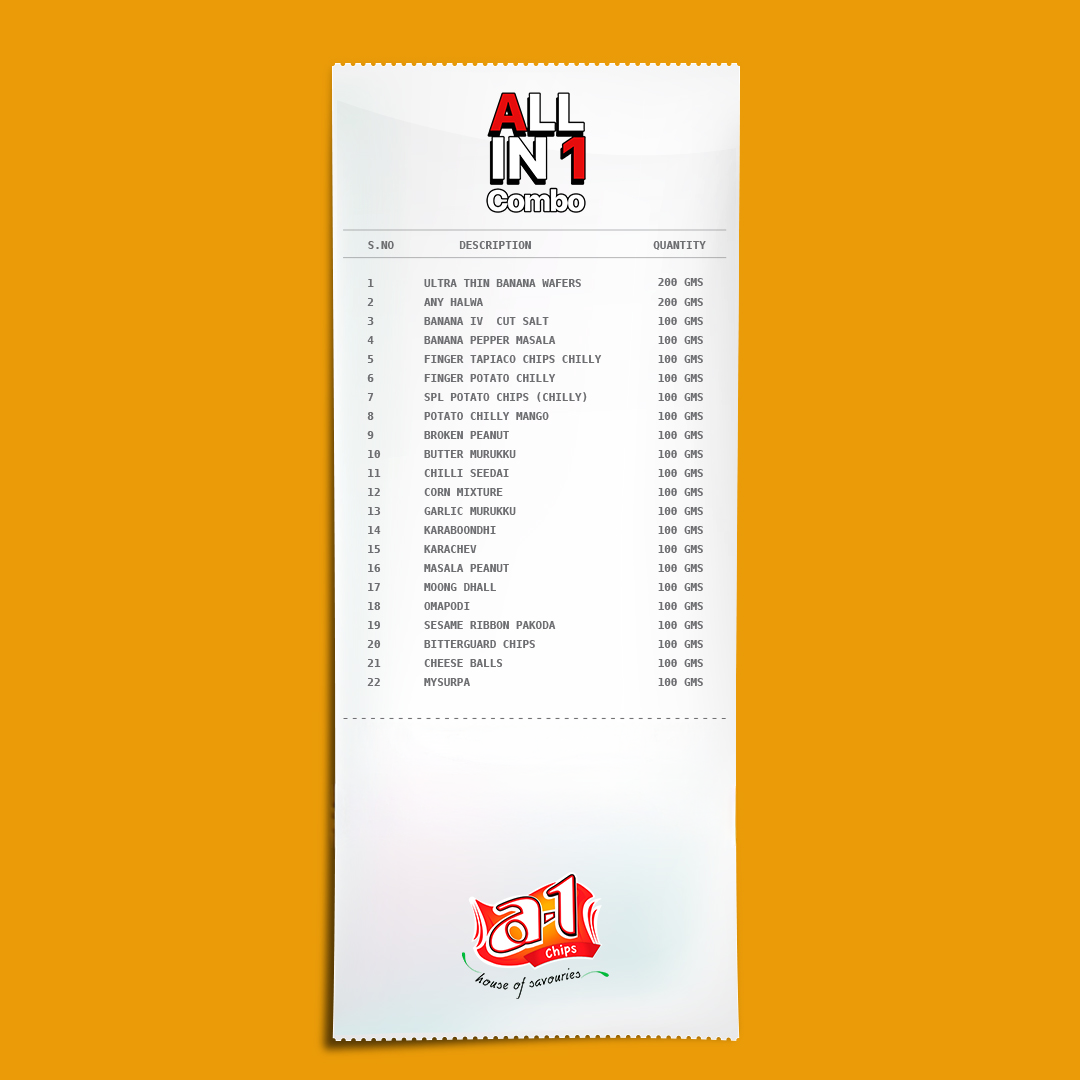
Use exact references such as Ultra Thin Banana Wafers, Hand Murukku or Country Mixture. Record selected pack options and current information individually rather than ordering an unspecified assortment.
If the event includes take-home gifts as well, keep that requirement separate from refreshments consumed during the programme. The business event snack gift guide addresses the handover and assortment decisions for that different use.
Review attendee requirements responsibly
Use the organiser's appropriate process to collect essential requirements and keep the buying brief proportionate. Provide current facts for the exact proposed products to the responsible reviewer. A product name, familiar ingredient or category does not establish dietary or allergen suitability.
If a requirement cannot be verified from current information, ask for clarification before approving the product. Do not promise an attendee that a snack meets a need based on a general description of murukku or banana chips. The exact selected variant matters.
For shared service, plan how the original product information remains accessible to staff. Avoid placing several unidentified snacks together and expecting the service team to remember their identities. Clear identification supports accurate answers during the event without introducing unsupported assurances.
Calculate units for the selected format
For a sealed handout, multiply the eligible count by the intended units per break. Keep different breaks separate before combining totals. For example, 60 attendees receiving one selected pack at each of two breaks creates a base of 120 packs if the same count applies to both.
If ten facilitators are not in that count and receive the same two handouts, add 20 packs explicitly. These are illustrative calculations, not an A1 Chips order minimum or a serving recommendation. Any allowance for late attendees should be separately stated and justified by the organiser.
For shared service, use the venue's planned portion and convert the total into the selected pack quantities. Record rounding to whole packs and the intended treatment of remaining stock under actual instructions and institutional procedures. Do not assume every pack yields the same number of servings.
Coordinate receiving against the setup plan
State the desired receiving date and location, the contact person and any access constraints. Ask the team about feasibility. A programme start time should not be treated as an automatically guaranteed delivery deadline, and a previous order does not establish timing for this event.
Give the receiving team the final expected list. Record product names, selected variants, quantities and observed pack condition. Retain relevant date or batch details where shown. Keep the reporting process tied to the terms actually agreed for the order.
Follow each product's pack directions for storage and handling. If the event spans several days, identify which stock belongs to each service period. Do not apply a universal shelf-life period or assume that opened packs and sealed packs can be managed identically.
Prepare a late-change decision
Attendance changes are easier to handle when the organiser has already identified what can be adjusted. Keep essential requirements, optional products and any substitution preferences separate. If the number changes, recalculate the base requirement and the explicit allowance rather than adding an unexplained extra quantity to the old total.
Ask the merchant about any proposed amendment; do not assume a changed count or pack can be accommodated. If a product changes, ensure the responsible reviewer and service staff receive its current information. A replacement within the same category still needs accurate identification and a revised distribution list.
If the event layout changes, revisit room allocations too. The total requirement may stay the same while the internal handover plan changes substantially. Give staff the latest count by service point and mark older versions as superseded. This reduces avoidable confusion during a short break window when there is little time to reconstruct the plan.
Identify who can approve the final attendance change and who will notify procurement and the venue. A number shared informally with only one team should remain unconfirmed until the responsible organiser updates the current plan.
Assign responsibilities before event day
Name the people responsible for receiving, storage, setup, distribution and the post-break count. Ensure each has the same current product list and service plan. A late assortment change should reach the people serving it, not remain only in a procurement email.
Keep internal room allocations separate from the combined order total. If several training rooms are served, prepare a count for each and record transfers. This helps staff see whether a shortage concerns the overall purchase or simply an uneven distribution between rooms.
After the event, compare planned and issued units and record useful observations. Note attendance changes, service delays and product questions separately from preference. Use that evidence to improve the next brief rather than repeating the same allowance without review.
The institutional procurement guide provides the full buying sequence. A well-prepared conference enquiry makes the exact products, quantities, timing requests and internal responsibilities clear before the service window begins.


Leave a comment
This site is protected by hCaptcha and the hCaptcha Privacy Policy and Terms of Service apply.