
Discover ribbon pakoda, sev and kara boondhi shapes, textures and traditional tea-time buying choices at A1 Chips. A useful buying decision starts with understanding the ingredients, texture and who will eat the snack.
Recognize the shape
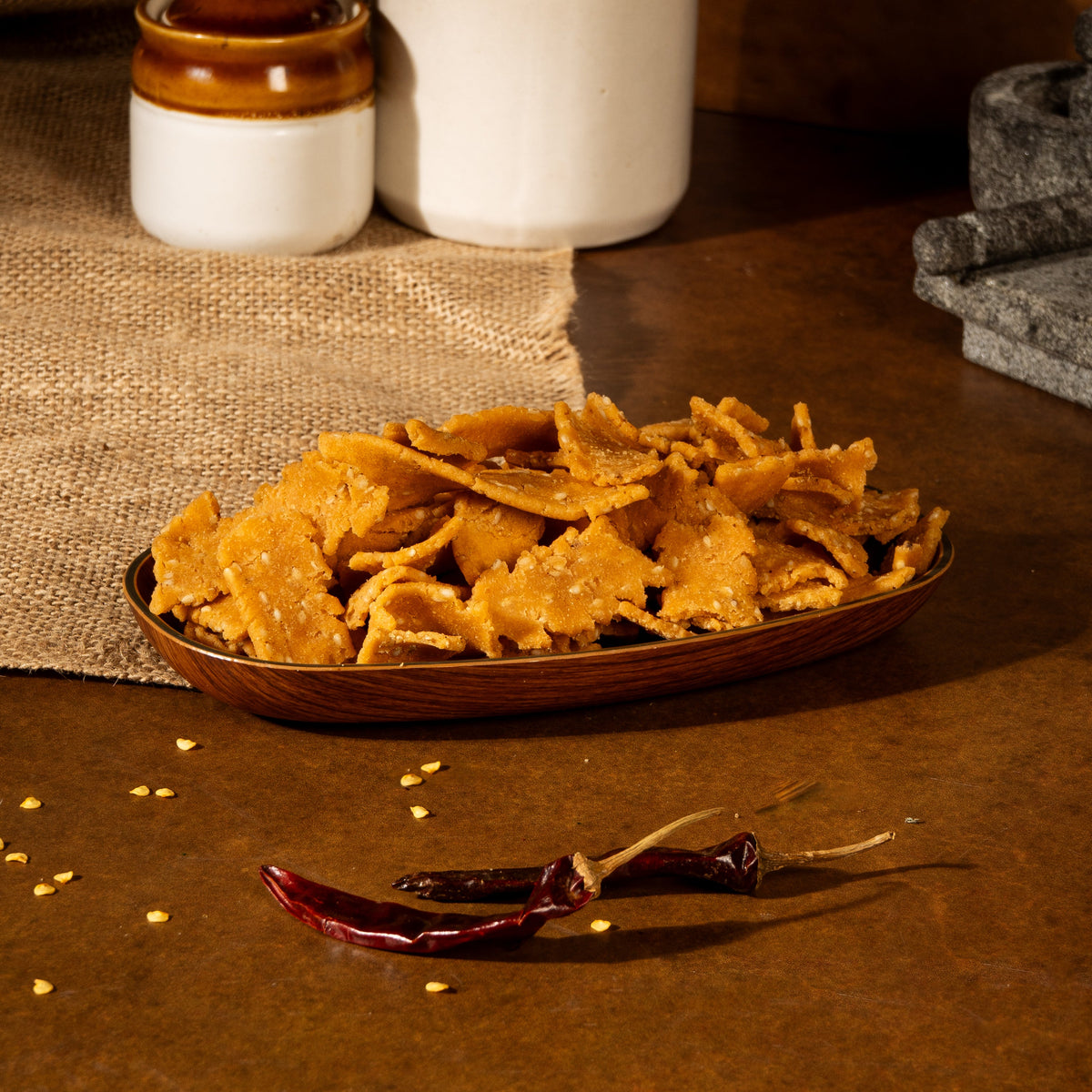
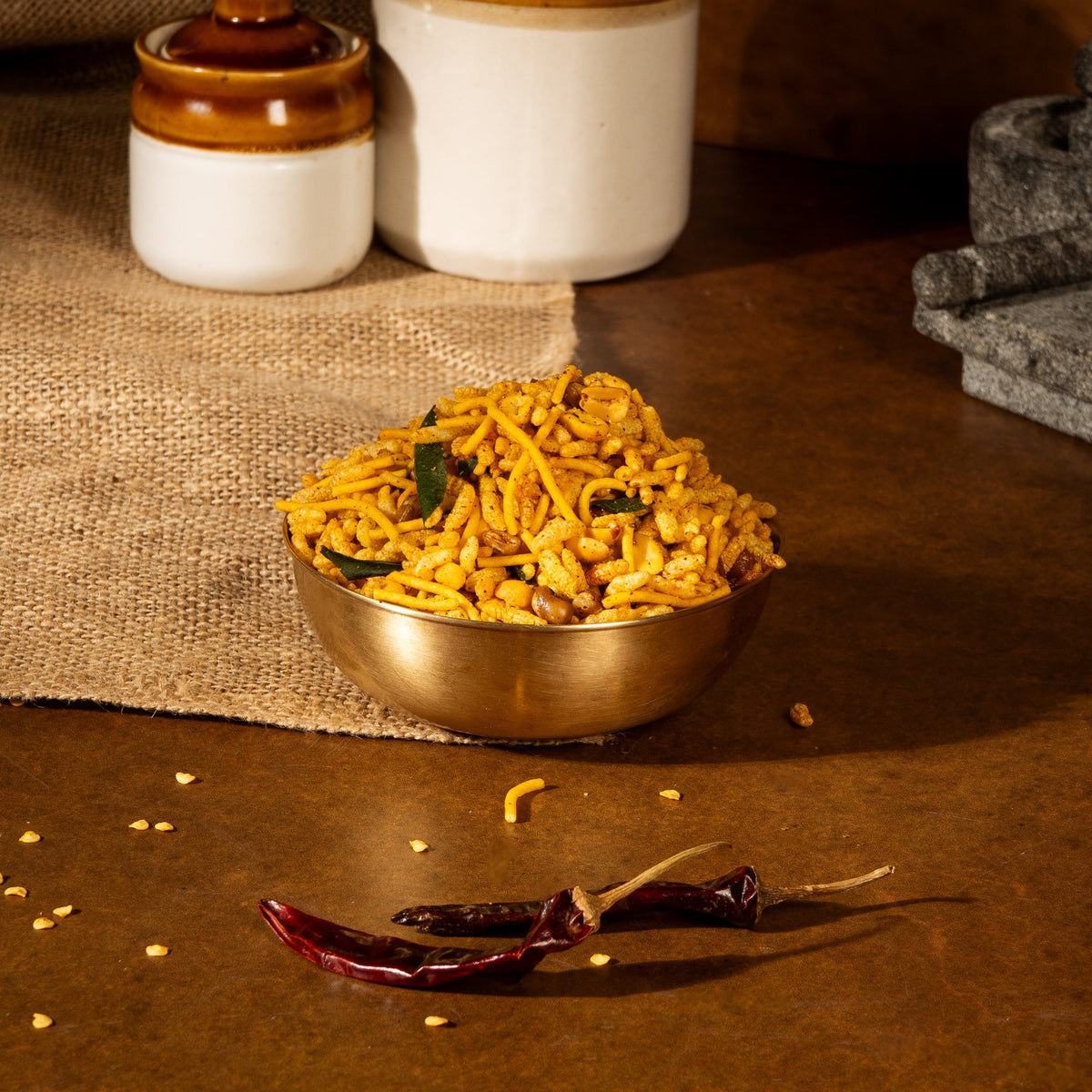
Ribbon pakoda is known for its ribbon-like strip shape, while sev generally appears in thinner strands and boondhi in small crisp pieces. These visual differences matter because they change how people snack. Comparing photos of the actual packets is more useful than treating all these items as simply spicy savouries.
Sesame ribbon pakoda
A1 Chips lists Sesame Ribbon Pakoda, which has a clearly identifiable snack format. The actual sesame ingredient and any allergens should be checked on the current label, especially when buying for a group. Seasoning varies between savoury brands, so do not infer a precise spice level from the word pakoda.
Kara boondhi as an alternative
Kara Boondhi offers another traditional small-piece format. It may be useful for people seeking a snack that is easily served in small bowls rather than large individual chips. Packaging, portion size and the current ingredient details remain important for anyone comparing it with a ribbon-shaped snack.
Putting together a tea-time set
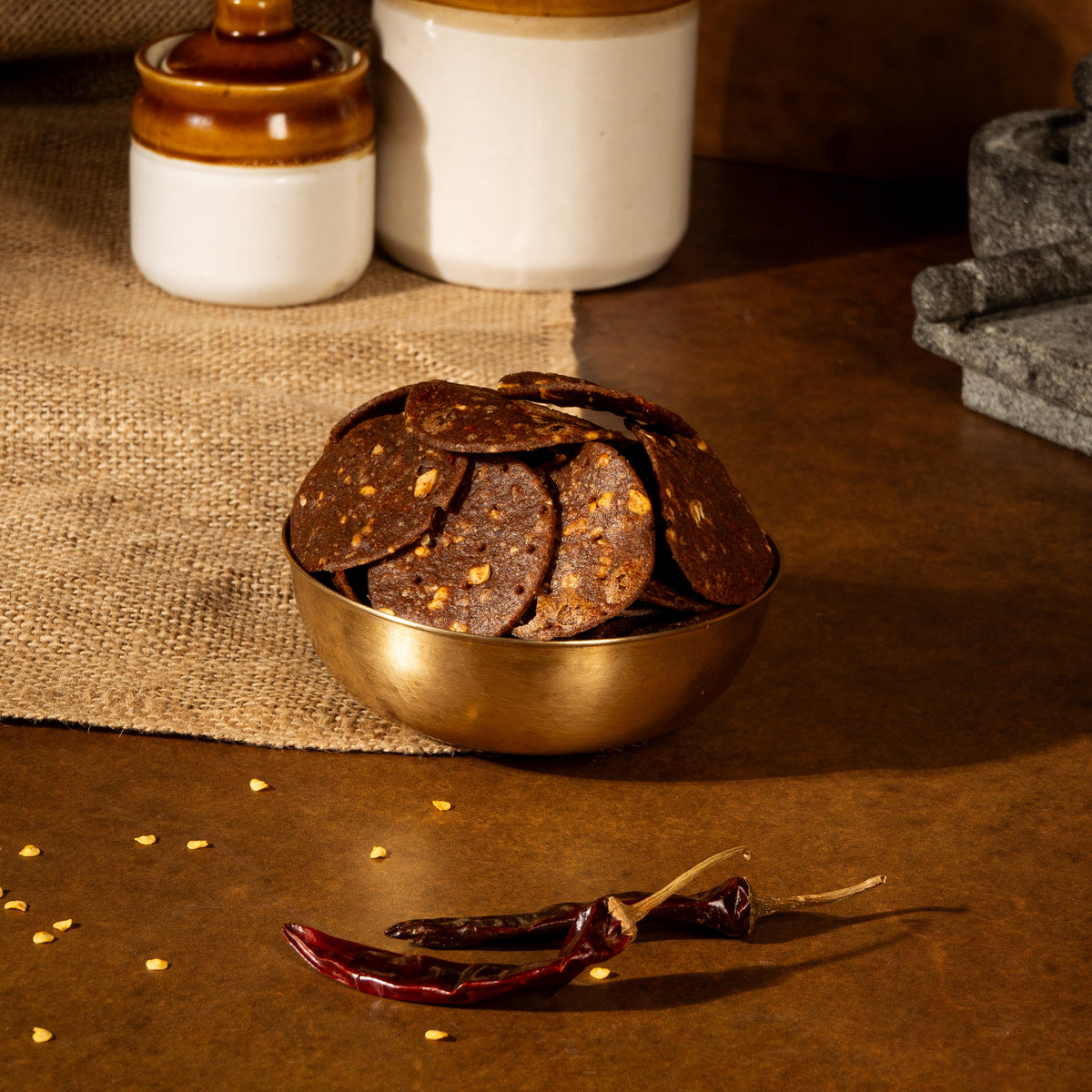
Combine one ribbon-shaped savoury, one small-piece savoury and, if desired, a murukku. This offers variety without relying on purely different flavour labels. Consider the preferences of people who will eat the snacks and check online availability for the specific products you select.
Explore the actual A1 Chips products
Sesame Ribbon Pakoda; Kara Boondhi; Hand Murukku. Browse Pakoda & Sev for more choices. Confirm live product labels, weights and delivery terms before ordering.
The shape is part of the pleasure
Ribbon pakoda, sev and kara boondhi are useful examples of how different forms can make related savoury traditions feel distinct. Ribbon pakoda is associated with wider flattened ribbons; sev is generally understood as thin strands; boondhi consists of small pieces. Even when the products share a savoury character, their shapes can change how easy they are to pick up, portion and combine with other foods.
Choosing for tea-time or a tasting table
For an everyday tea break, one familiar savoury may be enough. For a tasting session, offer one ribbon-shaped product and one smaller-piece product to create a noticeable contrast. Keep them separate initially, then allow guests to combine them if they enjoy the textures together. At an office gathering, several small serving bowls can work better than one mixed tray because guests can identify unfamiliar items.
Ingredients and seasoning: three separate questions
First, which base ingredients are actually listed? Second, what seasoning is declared for the exact A1 Chips product? Third, are there allergen or dietary statements relevant to the person eating it? A traditional snack name does not answer all three. Flour and spice combinations vary, and an online explanation of a generic recipe is not evidence about a packaged product. This is especially important when purchasing several savouries as a gift.
When should you buy a mixture instead?
Choose a specific ribbon pakoda or kara boondhi when you already know you like its particular shape and flavour direction. Consider a mixture when you want assorted pieces within the same packet. A mixture is not necessarily a more convenient substitute if you are trying to avoid a particular ingredient or if you want only one texture. Read the exact product description and compare the images before deciding.
A small ordering checklist
- Identify whether you want ribbons, strands or small pieces.
- Confirm the actual product listing and selectable weight.
- Check the ingredient, allergen and storage information on the packet.
- Decide if the item is for everyday snacking, family sharing or gifting.
- Verify availability and shipping at checkout rather than assuming all related products can be ordered in every region.
A thoughtful savoury assortment does not need to be enormous. Two sharply different textures can be more memorable than five near-identical packets.
Three formats, not three interchangeable names
Ribbon pakoda, sev and kara boondhi can all appear in the wider conversation about Indian tea-time savouries, but their physical forms differ. Ribbon pakoda is recognizable for its ribbon-like pieces; sev is often known for thinner strands; and kara boondhi for small, rounded pieces. The shapes affect how the snacks are picked up, mixed or served, while the final flavour depends on the actual recipe and seasoning. A consumer selecting a packet should distinguish the shape they want from the spice blend they expect.
Choosing for individual snacking or sharing
Ribbon-style pieces can make a distinctive standalone bowl; smaller boondhi pieces may suit a spoon-served snack cup or an accompaniment, depending on their formulation. Sev can also be used in various snack mixtures, but an individual sev packet should not automatically be described as containing every ingredient found in a mixed namkeen. When preparing a tasting, serve each product separately so guests can recognize texture and seasoning rather than see only one indistinguishable mixture.
Ingredients and claims to verify
Traditional recipes can use different flours, spices, oils and nuts. A shape alone does not prove that a snack contains or excludes any particular allergen. Likewise, the name “kara” communicates a savoury or spicy direction but does not give a precise measure of heat. For recipients with dietary restrictions, read each package's current declaration and avoid assuming that all three products are nutritionally equivalent.
How to compare values online
Check the currently available weight and price of each A1 Chips product rather than treating the three names as identical-sized packets. For a first trial, choose two contrasting formats and compare whether you prefer wide strips or small round pieces. A family may prefer to buy one favourite in a larger size after that test. Always verify availability for the exact selected product and the final shipping options at checkout.
Where these snacks fit in a larger assortment
A tea-time platter containing ribbon pakoda, small boondhi and one banana-chip variety creates differences in shape and source ingredient. Adding murukku is useful if guests enjoy twisted savouries, but more formats are not automatically better. Think about serving bowls, portion size, individual labels and the other dishes on the table. A purposefully small assortment can be more enjoyable than a large collection of nearly identical salted snacks.
Frequently asked questions
Are sev and ribbon pakoda identical?
They are related savoury snack styles but typically differ in form and texture.
Which A1 Chips item illustrates ribbon pakoda?
Sesame Ribbon Pakoda is a separate product in the store and can be compared with Kara Boondhi.
Continue through the savoury snack guides
traditional south indian savoury snacks guide · hand butter thattai murukku comparison · south indian mixture country corn boondhi guide. You can also explore banana chips for a different South Indian snack experience.

Leave a comment
This site is protected by hCaptcha and the hCaptcha Privacy Policy and Terms of Service apply.