
Explore South Indian savoury snacks such as murukku, mixture, ribbon pakoda and kara boondhi, with A1 Chips product links. A useful buying decision starts with understanding the ingredients, texture and who will eat the snack.
Why traditional savouries are a useful shopping category
South Indian savouries are not one uniform snack. Murukku, thattai, mixture, ribbon pakoda, boondhi and sev use different shapes and preparations. A buyer who knows only banana chips can discover the wider category by comparing textures, seasoning levels and serving occasions rather than browsing unrelated product names.
Murukku and thattai are different shapes
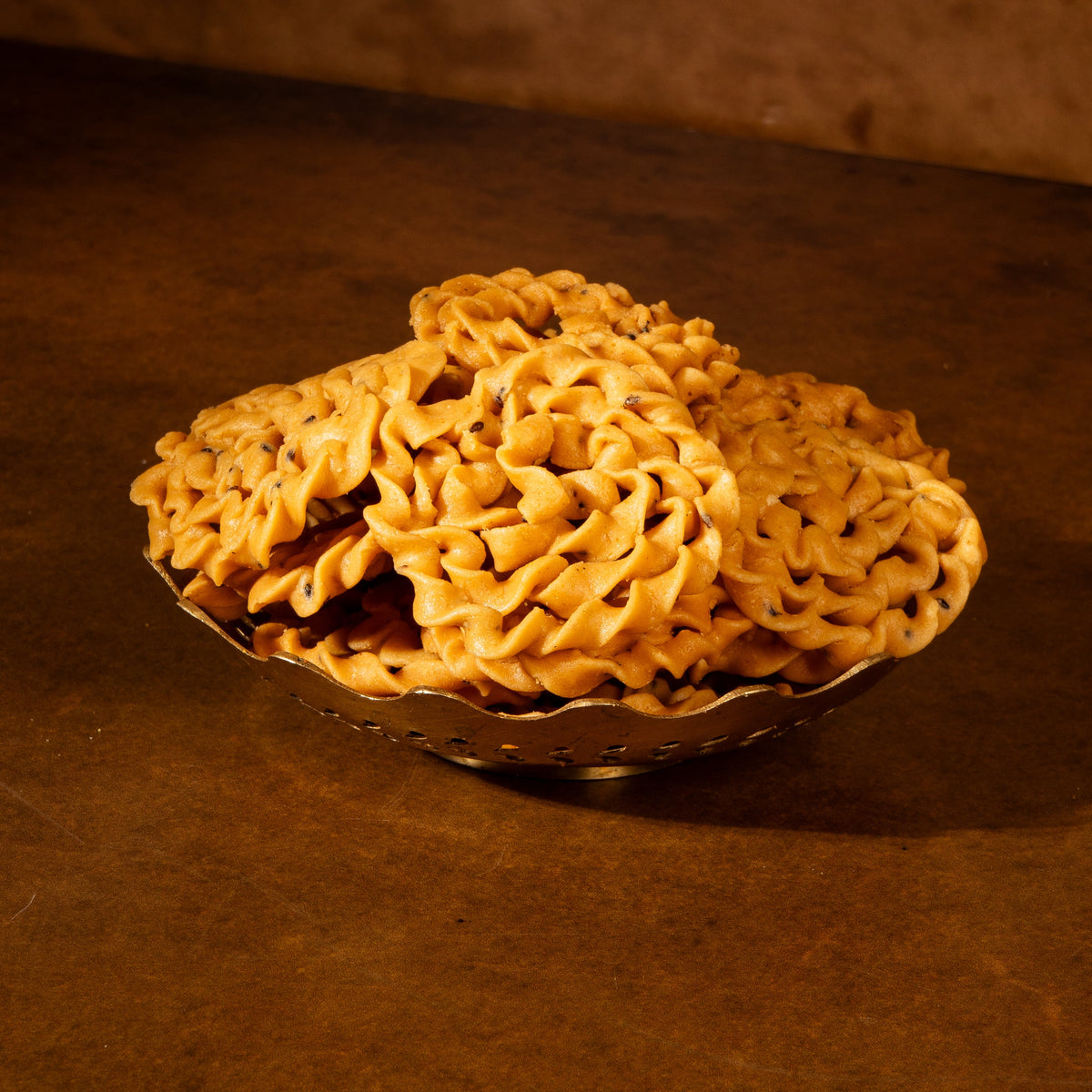
Murukku often has a coiled or twisted appearance, while thattai is generally a flat, crisp disc. Different recipes and seasonings can change their texture and flavour. A1 Chips lists Hand Murukku, Butter Murukku and Thattai Murukku separately. Compare the label of each product for its actual ingredients instead of assuming every murukku follows one recipe.
Mixtures and boondhi
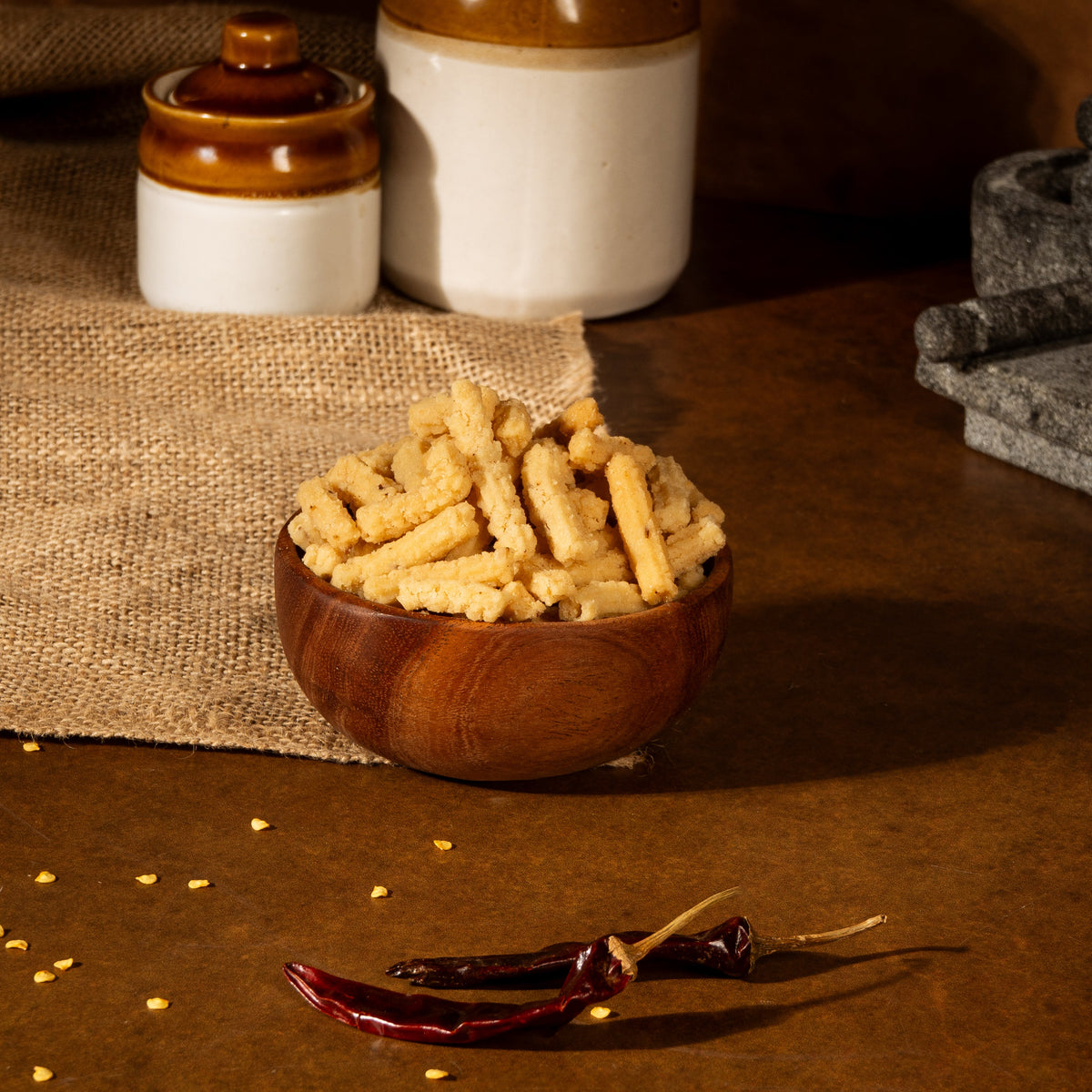
Country Mixture and Corn Mixture combine multiple snack elements rather than presenting one uniform shape. Kara Boondhi is another traditional savoury with its own small-piece format. Mixed snacks are useful for people who enjoy varied textures in a single packet, but the ingredient and allergen statement deserves particular attention when a product contains several components.
Choose by occasion
For an everyday tea break, a familiar murukku or mixture may be an easy option. For a sampler, include a twisted murukku, a flat thattai and a mixture to cover contrasting textures. For gifting, confirm the recipient's spice preference, storage requirements and pack dimensions.
Explore the actual A1 Chips products
Hand Murukku; Thattai Murukku; Country Mixture. Browse Murukkus for more choices. Confirm live product labels, weights and delivery terms before ordering.
Think in shapes, not only flavour names
South Indian savouries encompass far more than one kind of crunchy snack. Murukku is known for its distinct coiled or extruded shapes; thattai is a flat savoury; ribbon pakoda is formed differently; mixture brings several components into one bite; and boondhi has small individual pieces. These shape differences matter to the eating experience. A first-time buyer who enjoys one savoury may discover a completely different texture by switching format rather than merely changing seasoning.
Five useful ways to compare a savoury assortment
| Format | Experience to explore | Buyer check |
|---|---|---|
| Hand murukku | Distinctive spiral-style savoury | Current pack weight, ingredient list and availability |
| Thattai | Flat crisp form | Seasoning and breakage-sensitive handling |
| Ribbon pakoda | Ribbon-shaped bite | Specific seasoning and product details |
| Mixture | Combination of differently shaped components | Allergens and actual ingredient composition |
| Kara boondhi | Small savoury pieces | Pack information and intended serving style |
Match savoury formats to the occasion
A tea-time platter could contain one spiral-style savoury, one mixture and a banana chip for three recognizable textures. A family gathering benefits from separate bowls and clear labels, especially when some participants prefer milder snacks. A corporate gift may be easier to share when it includes several distinct formats instead of several packets of a single favourite. These are serving ideas, not a statement that a specific A1 Chips combo already contains those products.
Ingredient-awareness matters more with mixed savouries
Different varieties may use pulses, grains, nuts, spices and frying oils in different combinations. Never assume every snack is gluten-free, peanut-free or compatible with a specific diet because it is traditional or vegetarian-sounding. A mixture also cannot be described accurately by listing ingredients typical of other brands. Use the exact A1 Chips label for allergens, nutrition and applicable manufacturing information.
Turn a broad search into a precise shopping decision
If you searched for “South Indian snacks online,” decide first whether you want flat crisps, coiled savouries, mixed pieces or a gift assortment. Then compare two or three actual listings with selected pack sizes. Verify availability and delivery options before checkout. For unfamiliar varieties, use smaller contrasting portions and learn which texture your household prefers. The most useful guide does not only name famous foods; it helps you make a choice you will enjoy eating.
Why a savoury snack can be more than a side dish
South Indian savouries are often associated with tea-time hospitality, festival visits and family kitchens. But a shopper does not need a special occasion to appreciate a murukku or mixture. The most useful way to explore them is to notice how shape, composition and seasoning create different eating experiences. A flat thattai invites a different kind of bite from a spiral murukku, and a mixture gives a changing assortment of small components rather than one repeated shape.
Think of a snack platter as a conversation
Imagine introducing these foods to someone who has never tried them. Start with a visually easy-to-recognize spiral murukku, add a flat savoury such as thattai, and then offer a spoonful of mixture in a separate bowl. The guest can describe which format they prefer, even without knowing the traditional names. If everyone already enjoys South Indian snacks, use the same method to compare specific varieties such as Hand Murukku and Butter Murukku. That is a more interesting activity than declaring one variety the best.
What mixture adds that a single-format snack cannot
A mixture's defining feature is the combination of components, which means the experience can vary from one mouthful to the next. That can be appealing to someone seeking textural variety, but it also creates a bigger ingredient-awareness obligation. A person who avoids peanuts or sesame cannot infer safety simply from a brand's product family. The exact product declaration must be checked. The same principle applies to murukku and ribbon pakoda: traditional names do not prove a universal flour composition.
Build three types of household assortments
A classic tea-time set: One murukku, one mixture and a savoury chip. A format comparison set: Hand Murukku, Thattai and Ribbon Pakoda for distinctly different shapes. A sweet-and-savoury set: A savoury favourite with a separately packaged chikki or halwa. These are suggestions for selecting available products, not promises that the store sells them as preassembled bundles.
Use the supporting guides to answer narrower questions
A customer searching for the differences between Hand Murukku and Thattai needs a product-format comparison. A customer searching for Country Mixture versus Corn Mixture needs ingredient and composition guidance. A person looking for tea-time ideas may need help with portions, serving and group preferences. This main guide brings those choices together while leaving room for each companion article to explain its own topic thoroughly.
How to improve a repeat order
After serving several snacks, make a simple note about which textures and seasonings disappeared first. Did guests enjoy the mixed pieces, or did they mostly reach for a plain spiral snack? Did strongly seasoned packets remain untouched? Use those observations when choosing the next order. Selecting based on actual experience creates less waste and helps a household find a reliable set of favourites, without relying solely on trending lists or generic bestselling claims.
Read savoury shapes as different eating experiences
Traditional savouries can look like a single shelf category until you compare how they are formed. Murukku is commonly recognized by coiled or twisted shapes; thattai by a flat disc; ribbon pakoda by a ribbon-like form; boondhi by small round pieces; and mixture by an assortment of components. These shape distinctions are genuinely useful because shoppers may know what they enjoy eating without knowing every regional product name. Someone looking for a firm, shaped crisp may prefer to investigate murukku or thattai; someone who enjoys changing textures in a single handful may find mixture more interesting.
Names identify a food family, not a fixed recipe. Two murukku products can differ in ingredients, seasoning, oil and bite. A “butter” variety should not be interpreted as proof of a particular quantity of dairy without checking the package. A mixture may contain several distinct elements, some of which have their own allergen declarations. Clear product-level descriptions are more valuable than sweeping claims about what every South Indian savoury contains.
A guided tasting that teaches something
Begin with three different formats: one coiled or twisted murukku, one flat savoury such as thattai, and one mixture. Present each separately and notice not only seasoning but how the pieces break and how the snack is picked up. Then introduce ribbon pakoda or kara boondhi if the group enjoys comparing shapes. This is a practical way to build familiarity with traditional savouries without claiming one is the most authentic or universally preferred.
For first-time shoppers, limiting the number of choices can reduce confusion. A basket with five types of murukku may offer less variety than a basket with murukku, mixture and boondhi. But households with a strong preference for one format may reasonably choose several flavours within that family. A good buying guide makes that trade-off explicit instead of recommending the biggest assortment by default.
Tea-time, travel and festival serving considerations
Tea-time snacks are often chosen for convenience and flavour contrast. A dry, individually portionable savoury can be easy to share, while a mixture may be better in a bowl with a serving spoon. For travel, intact packaging and the manufacturer's storage instructions matter more than assuming a traditional snack is automatically durable. For family celebrations, think about guests who prefer mild flavours as well as those who want stronger seasoning, and keep different snack types labelled.
Traditional foods can also accompany a wider meal or be enjoyed independently. When planning a festive selection, consider the other dishes already on the menu. A spread full of crunchy savouries may be satisfying, but a sweet option or fruit-based crisp can offer contrast. No single combination should be presented as compulsory for a cultural occasion; food customs differ among households and regions.
How to compare packaged products responsibly
Product names may describe shape, seasoning or an ingredient, but the final purchase decision requires specific details. Start with the selected weight and current price. Read the ingredient and allergen information, especially for mixtures, peanut-containing snacks, or items prepared with varied grains and seasonings. Look at photographs to understand size and shape, not to infer ingredients that are not declared. Check that the exact pack is available and that your delivery address is supported at checkout.
Useful repeat orders begin with remembering what worked. Was the appeal the twisted shape, the flatter bite, a chilli seasoning or a diverse mixture? Write down the preferred product family rather than relying on “South Indian snacks” as a single category. The dedicated murukku comparison, mixture guide and ribbon-pakoda guide can then answer a narrower question without duplicating this overview.
Questions about health and authenticity
Traditional does not mean low-fat, gluten-free, nut-free or suitable for a specific medical diet. Product formulations vary and sometimes change, so the current label takes precedence. Similarly, a regional association can be explained as culinary context without asserting that a particular commercial packet was produced by an undocumented historic method. Trustworthy writing respects both the food tradition and the buyer's need for accurate current information.
Frequently asked questions
Is thattai a type of murukku?
Both are related South Indian savouries, but they differ notably in shape and preparation.
What should I buy if I want several textures?
A traditional mixture or a combination of murukku, thattai and ribbon pakoda provides more variety than one snack type alone.
Continue through the savoury snack guides
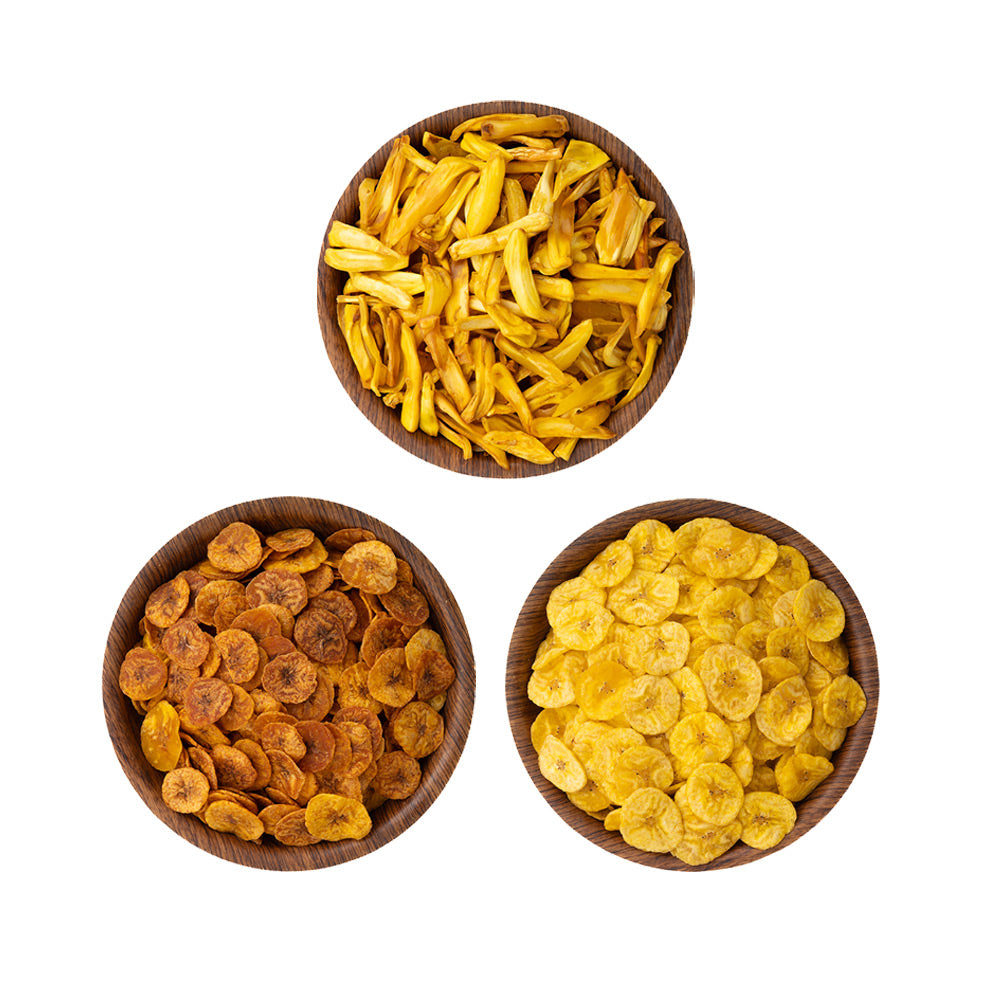
hand butter thattai murukku comparison · south indian mixture country corn boondhi guide · ribbon pakoda sev kara boondhi guide. You can also explore banana chips for a different South Indian snack experience.
Explore this question in more detail: A South Indian tea-time savoury selection.
Explore other A1 Chips knowledge clusters
This guide is part of Indian Snacks Online by A1 Chips. For a different buying question, continue with Kerala banana chips buying guide, Indian snack gifts and combo guide, A1 Chips heritage and shopping guide. Each guide connects verified snack categories to the brand's actual shopping pages.
From traditional names to a tea-time experience
The regional names of murukku, thattai and pakoda are helpful food vocabulary. Tea-time serving ideas offer a separate, practical path once you know which formats interest you.

Leave a comment
This site is protected by hCaptcha and the hCaptcha Privacy Policy and Terms of Service apply.