
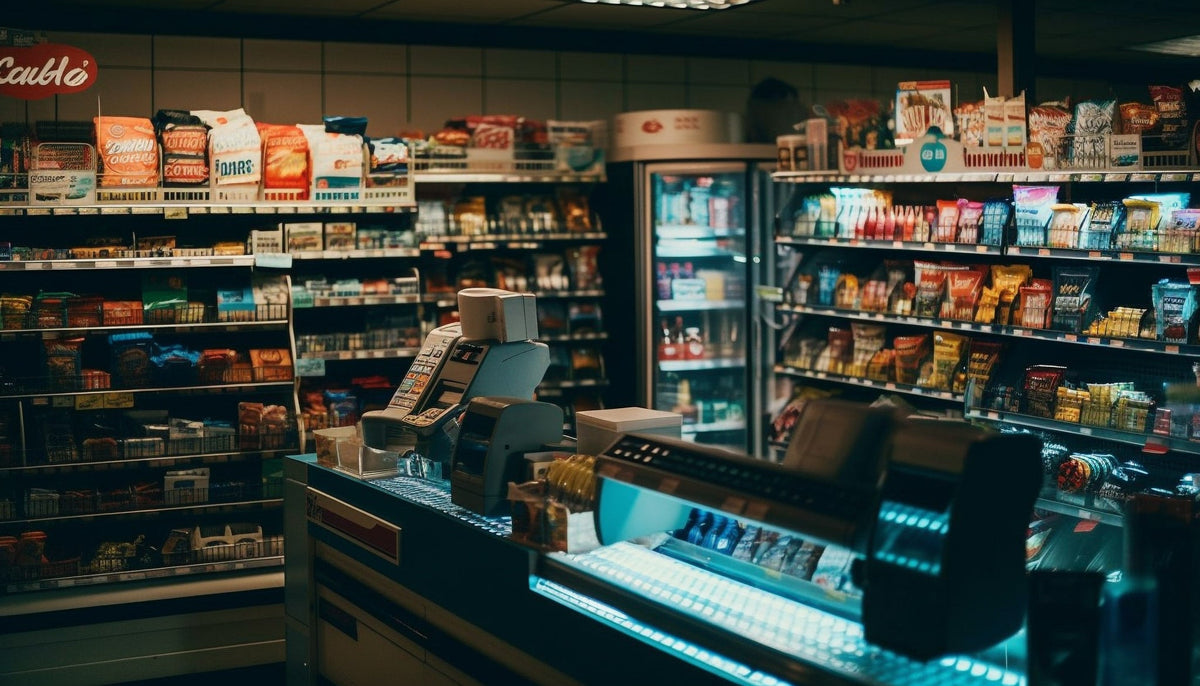
An A1 Chips business enquiry is easier to assess when it explains how snacks will reach customers. A shop buying packaged snacks for its own shelves has different questions from a business proposing to supply several shops. Before discussing an assortment, define that route and describe the operation behind it.
A1 Chips provides separate public pages for Distribution and Authorised Retailer registration. These are enquiry destinations. Completing a form does not by itself establish an appointment, territory, price arrangement or supply commitment. This guide explains how to prepare a useful conversation and turn the eventual response into a clear purchasing brief.
Begin with the selling model
Describe what you already operate rather than relying on a broad label such as partner. If you own one grocery store, give its location and customer profile. If you supply multiple stores, explain the types of outlets, the area you cover and who takes orders. If you are still planning a business, say so directly. An accurate starting point is more useful than an ambitious description without operational detail.
Keep retailing, distribution and institutional consumption separate. A retailer sells to the final shopper. A distributor proposal concerns a wider supply route, subject to whatever arrangement A1 Chips actually offers. A company purchasing snacks for staff consumption may find the Institution or Corporate Orders page more appropriate. Buying a large quantity does not automatically make an organisation a distributor.
If your business combines these roles, explain each one. For example, a store with its own counter and a proposed supply service to nearby offices should identify the counter separately from the office channel. Ask the team which route fits. Do not assume that a response about one activity covers every proposed use of the brand or every location.
Define an area the team can understand
A territory description should be specific enough to evaluate without implying that the territory is available. State the town or city, relevant localities and the places from which you would operate. Explain whether the proposed customer base is neighbourhood grocery shops, supermarkets, specialist snack stores or another clearly described group. Distinguish existing relationships from outlets you hope to approach.
An illustrative description might read: “We operate a grocery outlet in this locality and would like to discuss stocking packaged snacks for walk-in customers.” A distribution enquiry could instead describe an existing network and its geographic coverage. These examples show useful structure; they are not evidence of eligibility or approval criteria set by A1 Chips.
Avoid promising immediate access to an entire district when you have only investigated a few streets. The purpose is to help both sides discuss a realistic first stage. Keep expansion ideas in a separate paragraph so they do not get mistaken for current sales coverage, established facilities or confirmed demand.
Explain the customer and buying occasion
Think about why shoppers would buy from the proposed outlet. A neighbourhood store may serve household replenishment and family sharing. An office-area counter may see purchases around work breaks. A travel-oriented shop may attract people looking for sealed packs to take away. These are hypotheses to test locally, not guarantees that a particular snack will sell.
Use observations to support the hypothesis. Record questions customers ask, the shelf space available and the categories already being purchased. Avoid personal customer information in the enquiry. Aggregated observations such as repeated requests for banana chips are enough to explain interest without sending names, phone numbers or transaction histories.
Separate regular demand from a temporary occasion. A festival display might justify discussing a seasonal assortment, while the ordinary shelf needs a different range. Explain both if relevant. A single event should not become the assumed basis for every reorder or an unsupported claim about the size of the local market.
Build a focused product shortlist
Start with identifiable categories from the current store: Banana Chips, Murukkus, Mixtures, Tapioca Chips and Halwas. The online catalogue helps establish product names and the range you want to discuss. It does not establish a separate wholesale catalogue, trade price or stock allocation.
Move from category names to exact references. For instance, Ultra Thin Banana Wafers made in coconut oil and Hand Murukku identify different product families. Copy the selected pack option from the current product page. Do not treat every banana snack as the same product or assume all variants share one pack size.
A useful opening shortlist has a reason behind every line. One item may be intended for customers seeking banana wafers, another for shoppers asking for traditional savouries and another for sweet purchases. You can expand after understanding demand and the supplier response. A long list copied from the entire website makes it harder to see which products matter most.
Match the proposed range to the outlet
Consider how products will be displayed and counted. Shelf width, storage access and staff time are practical constraints even when customer interest is promising. A range with many similar packs can consume space before you learn which ones customers prefer. Plan a manageable first assortment rather than treating every available category as a required listing.
Record the proposed role of each product: regular shelf item, limited trial or occasion-specific option. This makes later review easier. If a trial item attracts little demand, you can change the trial without confusing it with the core range. The distinction also helps explain quantities when discussing a possible initial order.
Do not infer service formats from retail photographs. An online pack does not prove that larger foodservice packs, display units, custom cartons or branded fixtures are offered. If any format is essential, describe the requirement and ask whether it can be supplied. Keep that request outside the confirmed product specification until the team responds.
Prepare quantity information without inventing demand
Give a proposed quantity and its basis. You might describe a small initial retail trial, a replenishment purchase for an existing outlet or an estimate for a defined network. Label forecasts as forecasts. Distinguish packs from cartons and weight from unit count; “100” without a unit is not a usable requirement.
For illustration, a planning sheet could show ten packs of one selected variant and fifteen packs of another. That is a buyer-created example, not an A1 Chips minimum or recommended order. Actual quantities, case configuration and commercial terms must be discussed with the team. Do not convert hypothetical numbers into a public claim about wholesale access.
Avoid projecting reorder volumes solely from footfall. Not every visitor buys snacks, and not every snack buyer chooses the same category. Observe actual sales when the range is operating. Until then, state the assumptions behind the estimate and the point at which you expect to review them.
Describe storage and receiving arrangements
Explain where goods would be received, who checks them and how products would move to the shelf. Keep the description factual. You can identify access constraints, staffed receiving hours and the space available without claiming that a particular delivery service has already been agreed. A clear location description helps reveal questions before an order is placed.
Plan to follow the instructions on each supplied pack. Different products can carry different date markings and storage directions. Do not apply a shelf-life figure from one snack to another, or assume an unopened product and an opened service pack can be managed identically. Ask for clarification when the current product information is insufficient for your intended operation.
For receiving, prepare a simple record of product, selected variant, quantity, pack condition and date information. Keep batch details when shown on the label. This supports traceability within your business and helps describe a discrepancy accurately. It does not create an entitlement to returns or override the terms that actually apply to the order.
Ask commercial questions in a structured way
Group questions by decision. First confirm whether the proposed business route can be considered. Next ask which products and formats are available for that route. Then clarify ordering, quotation and handover arrangements. This sequence prevents detailed assumptions about pricing or logistics from overtaking the more basic question of whether the proposed arrangement fits.
Questions may cover any applicable initial order requirements, case quantities, payment process, receiving arrangements and the procedure for discussing a damaged or incorrect delivery. These are questions, not published promises. No general article can establish a discount, credit facility, exclusive area, replacement arrangement or guaranteed lead time for an individual business.
If a term matters to the investment decision, request written confirmation. Retain the date and scope of the response. A quotation for one product mix and destination should not be reused as proof of terms for a different mix, a future season or another outlet. Clear records reduce avoidable misunderstandings on both sides.
Create a compact business profile
A practical profile includes the business name, contact person, role, operating location, current activity and proposed selling model. Add the product shortlist and an estimate with units. Include the receiving location if it differs from the shop. Use an email address and contact number you can monitor so questions reach the person preparing the proposal.
Send only information relevant to the stage of the discussion. A first enquiry normally needs an understandable business description, not a complete archive of internal financial records or customer details. If additional documents are requested, confirm the intended recipient and purpose before sending them through the appropriate channel.
Organise attachments with descriptive names and dates. A product sheet marked as a draft should remain visibly a draft. If you revise quantities, identify the revision rather than sending two conflicting versions with the same filename. This small discipline becomes valuable when several people are involved in selecting and approving the order.
Use the right A1 Chips page
Use Distribution to introduce a proposal to distribute products. Use Authorised Retailer to introduce a retail stocking proposal. Describe mixed or uncertain cases honestly and ask for routing assistance. The published registration pages are the starting points; this guide does not add a franchise offer or change their scope.
Before submitting, compare the enquiry with your actual objective. If you simply want snacks for a company celebration, the corporate route is more relevant than a retail appointment discussion. If you are buying for a canteen, explain the service requirement through the institutional route. Correct routing makes the product and commercial conversation more focused.
Keep a copy of the submitted brief. Record any form confirmation you actually receive, but do not treat submission as order acceptance. Continue planning only against confirmed facts. Dates, quantities, availability and commercial arrangements remain open until the responsible team has answered them for the specific proposal.
Review the response before committing
When a response arrives, compare it line by line with your brief. Mark each item confirmed, changed or still open. If a product was substituted, verify the exact name and pack option. If only part of the proposed range was discussed, do not assume the remainder has also been approved. Bring unanswered questions back as a short list.
Separate supplier commitments from tasks your own team must perform. Display preparation, internal training and local demand tracking remain operational responsibilities that need an owner. A receiving arrangement also needs someone available at the location. Written terms are more useful when matched to a practical plan for carrying them out.
Review the first trading period before widening the range. Look at sold units, customer requests, remaining dated stock and handling issues together. The purpose is to learn which assortment fits the outlet and what needs clarification. A disciplined small range can produce better evidence than an expansive opening selection that is difficult to count.
Decide what must be resolved first
Not every question has the same effect on the proposal. Separate essential conditions from preferences. If the outlet cannot receive goods at the proposed location, that issue needs an answer before the assortment is finalised. If a particular category would merely be a useful addition, it can remain optional while the main range is discussed.
Create a short decision record with the issue, the person responsible, the information required and the current status. For example, the buyer may need to measure storage space while the merchant needs to clarify a requested product format. Assigning each question prevents the whole proposal from waiting on someone who is not responsible for the missing detail.
Use the same record when reviewing a revised offer. A lower quantity or different product may solve one constraint while creating another. Confirm that the final plan still fits the outlet, the customers and the receiving process. Agreement on a product name alone is not enough when the practical operating requirements remain unresolved.
A final enquiry checklist
- State whether the proposal concerns distribution, retail stocking or institutional consumption.
- Identify the actual location, operating business and intended customers.
- Link exact products and record the requested pack variants.
- Give quantities with units and distinguish forecasts from existing demand.
- Describe receiving and storage constraints that need discussion.
- Ask for confirmation of applicable commercial terms without assuming them.
- Keep the response and the latest approved version of the brief together.
For a broader purchasing framework, see Wholesale Indian Snacks: A Practical Bulk-Buying Guide. Use the guidance to prepare the enquiry, then rely on the current catalogue, product labels and the team's written response for the actual transaction.


Leave a comment
This site is protected by hCaptcha and the hCaptcha Privacy Policy and Terms of Service apply.