
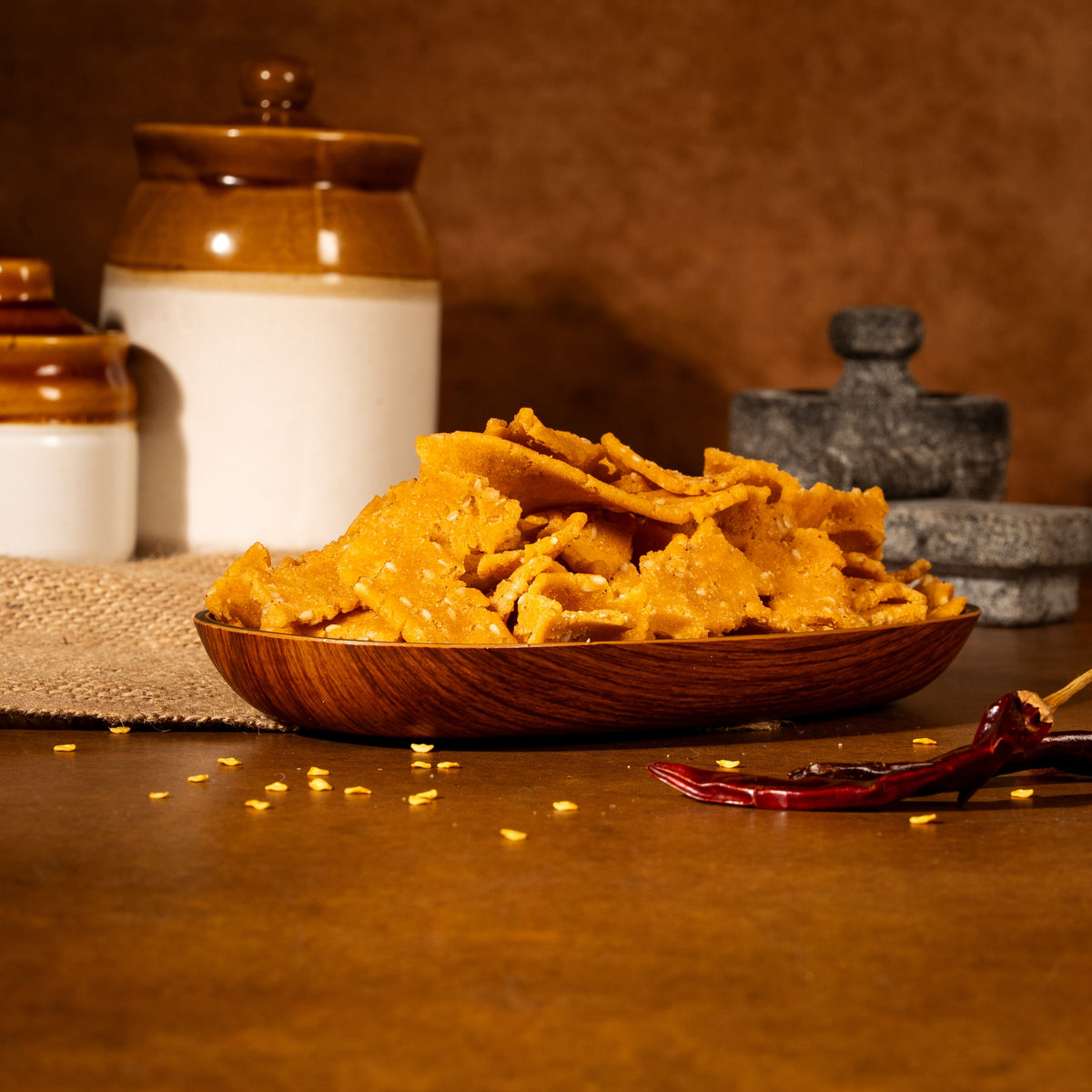
Wholesale snack buying begins with the way the products will be used. A retailer planning resale, an office buying refreshments and an organiser preparing event gifts may all describe their requirement as bulk snacks. They are not necessarily asking for the same supply arrangement. Before comparing prices, identify the buying purpose, the expected demand and the route through which the enquiry should be handled.
A1 Chips has published business enquiry pages for Corporate Orders, Institution, Distribution and Authorised Retailer. These pages provide starting points for discussing a requirement. They do not establish a universal wholesale price list, minimum quantity or supply agreement. This guide helps buyers prepare a useful brief and distinguish product discovery from the commercial confirmation needed before an order.
Define what bulk buying means for your organisation
Start by describing the destination of the products after receipt. Will sealed packs be sold from a shop, issued to employees, served during an event or included in gifts? The answer affects the pack format, product mix, receiving process and reorder decisions. A description such as “snacks for resale in a neighbourhood store” gives more direction than a request for a wholesale catalogue alone.
Separate one-off requirements from repeat supply. An event order has a known occasion and a finite service window. A retail assortment needs demand observations and stock rotation. A canteen needs a workable replenishment process. Record the actual operating model before deciding how much to buy or asking for terms intended for a different kind of buyer.
Choose the business enquiry route that fits
For resale and channel enquiries, review the Distribution and Authorised Retailer pages. For organisational consumption, the Institution page is relevant. Corporate gifting requirements can be directed through Corporate Orders. If the proposed activity spans more than one route, describe each part clearly and ask which business team should handle it.
Submitting an enquiry is not the same as being appointed a distributor or authorised retailer. It also does not establish credit, exclusivity, territory rights or pricing. Those matters require explicit confirmation. Use the correct route to begin a conversation with the right context, while keeping the order specification separate from any proposed longer-term relationship.
Prepare an initial product shortlist
Explore product families before attempting to list every item. Banana chips, tapioca chips, murukku, mixtures and halwa represent different flavours, textures and serving uses. A manageable shortlist lets the buyer compare roles within an assortment. It is easier to evaluate five clearly chosen products than a long list with no explanation of the expected customer or occasion.
Use exact product names and current pack options when moving from categories to a proposed order. The banana-chip, murukku and mixture collections are useful discovery references. The relevant product page is the place to check the actual description and pack options. An online retail listing should not be treated as confirmation of a particular commercial supply quantity.
Match variety to the use case
Variety should have a purpose. A retail range might compare a familiar salted option with a few distinct flavours. A shared refreshment selection might balance a crisp, a traditional savoury and a sweet. A gift may need a coherent assortment rather than a large number of closely similar products. The buyer should be able to explain what each shortlisted item contributes.
Avoid assuming that more products always improve the outcome. Too much variety can divide demand across slow-moving items or make event allocation difficult. Begin with the intended recipients or customers, define the role of each category and ask which current products can support that plan. Revise the shortlist using actual observations rather than adding items only to increase the count.
Understand the pack and case basis
The word pack can refer to a single retail unit, a multi-pack, an assortment or a delivery carton. Ask which unit the proposed quantity and price describe. Record the individual pack size separately from any outer-case configuration. Do not calculate the expected number of sellable units from a carton image or an assumed standard case size.
Retail packs may be appropriate for some business uses, but their presence online does not establish bulk outer-pack options. Ask what formats are available for the requirement and how they are identified on the quotation. A clear unit basis prevents confusion between ordering ten individual packs and ten cases containing several packs each.
Build a demand estimate you can explain
Use a relevant source for the estimate: expected attendance, planned servings, approved gift recipients or observed retail sales. State the period covered and any uncertainty. A one-day event forecast should not be treated as a weekly canteen requirement. If there is no demand history, identify the estimate as a starting assumption rather than presenting it as an established fact.
Break the forecast down by product or assortment where possible. An overall snack quantity does not explain whether the buyer needs mostly familiar products or a balanced range. Keep reserve quantities separate and justify them through the use case. There is no universal extra-stock percentage that suits all buyers or all occasions.
Request a quotation on a consistent basis
A useful quotation enquiry identifies the selected products, pack options, proposed quantities, delivery destination and required dates. Explain whether the budget covers products only or the complete delivered requirement. Ask the supplier to confirm the available options, quoted unit basis, inclusions, exclusions and validity.
Do not infer discounts or free delivery from the size of the enquiry. Retail offers may have a different scope from the proposed commercial order. Compare confirmed quotations using the same specification. If an alternative product or pack format is proposed, treat it as a distinct option rather than blending it into a price comparison that assumes identical contents.
Check ingredients and product information
Review current ingredient and allergen information for each shortlisted item. A regional food name or familiar category is not enough to establish suitability. Where a requirement affects product selection, ask for clarification before approving the specification. Mixed assortments need consideration at item level, especially when recipients expect a particular ingredient profile.
Keep product information attached to the approved specification so the receiving team can compare what arrives with what was agreed. Do not assign one shelf life or storage period to the whole range. Use the actual labels and supplier confirmation for the supplied products. This guide does not make dietary or medical claims about the snacks.
Agree the receiving arrangement
Identify who will receive the order, when the destination can accept it and what information is needed to route the delivery. A shop, office, hotel and event venue may have different receiving procedures. Explain access restrictions and any fixed handover date in the enquiry, then obtain confirmation of the supported schedule.
Allow time for inspection before the products are sold, served or distributed. Check quantities, product identity and visible pack condition against the order documents. Record discrepancies clearly and contact the responsible supplier team. Keep the receiving process proportionate but consistent; it becomes especially important when repeat purchases involve different staff members.
Decide how availability changes will be handled
An alternative item can change ingredients, flavour, pack size and the intended use. Ask how substitutions would be proposed and who must approve them. A statement such as equivalent value does not establish that a replacement meets the original specification. Named alternatives are easier to assess and document.
If the requirement has a fixed occasion, explain which features are essential and which can change. This allows the supplier to propose workable options without guessing. Keep the latest approved version with the quotation and any order reference. A change should be visible to procurement and receiving staff, not left in a separate informal conversation.
Plan storage around the actual products
Before ordering, consider the space and conditions available at the destination. Follow the storage directions on the supplied packs and keep relevant date information visible. A buyer who cannot store the goods appropriately may need a different order timing or pack format, subject to what the supplier can support.
For repeat stock, define how staff will identify the products that should be issued or sold first according to their label dates and operating procedures. Avoid placing new stock in front of older stock simply because it is easier to access. The aim is a controlled workflow that respects the actual product information, not an invented freshness guarantee.
Use a repeat-order record
After the first purchase, record what was received, how the products were used or sold, and what remained. Separate stock consumed normally from samples, damage, returns or internal transfers. This helps the next order reflect demand rather than an inaccurate impression based only on the opening quantity.
A useful repeat-order sheet includes product identity, pack option, opening balance, receipts, issues or sales, adjustments and closing balance. Review exceptions before calculating a new quantity. Do not assume that a previous quote, product mix or delivery arrangement remains current; confirm the relevant details for each proposed order.
A practical enquiry brief
The brief should answer: who is buying, what the products are for, which categories or named products are being considered, the approximate quantities, destination, required window and budget basis. Add the questions that could change approval, including pack format, ingredient information and substitution handling. Mark estimates clearly.
For example, a retailer might explain its outlet type, expected customer needs and proposed initial assortment. An event organiser would instead describe attendance, service periods and whether the packs will be served or handed out. Those are different briefs even when both include banana chips or murukku. The difference belongs in the first enquiry, not in a correction after a quotation is prepared.
Worked planning example: separate three different quantities
Imagine an organisation comparing snacks for a short business gathering. Its buyer has three numbers: the number of attendees expected, the number of service periods and the number of sealed gifts to be issued at the end. Those numbers should not be added together casually. Shared refreshments need a serving estimate, while take-home gifts need a recipient allocation. The supplier enquiry should describe both requirements separately if both are being considered.
Now consider a shop exploring an initial resale assortment. Its equivalent questions concern the selling period, customer demand, display space and the number of individual packs in each proposed outer unit. An event's attendance calculation cannot answer those retail questions. The retailer needs a product-by-product estimate and a way to observe what sells. A smaller, justified trial assortment may provide more useful information than an unexplained purchase of every available flavour.
In either case, the buyer should retain the assumptions beside the requested quantity. If the event count changes, the organiser can update the affected part of the brief. If retail demand differs from the estimate, the shop can adjust the next assortment. The purpose of the worksheet is to make those changes understandable; it does not predict a guaranteed sales rate or establish the supplier's commercial terms.
Keep commercial confirmation separate from product research
A useful product guide can explain a snack's name, texture and listed pack choices. It cannot confirm a business agreement merely by linking to the product. Before approval, identify the supplier response that establishes the actual order scope. If a point remains unanswered, leave it open in the decision record rather than treating the article as a substitute for confirmation.
This distinction also improves internal communication. Staff browsing the catalogue can suggest products, procurement can request terms and the receiving team can prepare its checks. Each group contributes information, but one current specification should connect their decisions. That shared record is the basis for a controlled purchase.
Questions buyers often ask
Does buying many retail packs automatically create a wholesale arrangement?
No. A retail listing identifies a product and its offered options. Commercial pricing, quantities, delivery scope and relationship terms need confirmation for the proposed purchase. Explain the actual requirement through the relevant business enquiry route.
Should a first order include the full catalogue?
Not necessarily. A focused shortlist is easier to assess against the intended use and available handling capacity. Begin with a reason for each product, record the demand assumptions and use the results to improve subsequent purchases.
Can the same pack format suit resale and event service?
Sometimes a format may be useful in more than one setting, but the receiving, serving and storage requirements still differ. Confirm the available formats and assess how they will be handled at the destination rather than relying on a broad bulk-buying label.
What needs to be confirmed before ordering?
Confirm the exact products, pack and quantity basis, quotation scope, payment requirements, delivery arrangement and change process. Resolve product-information questions that affect suitability. Keep the confirmed specification and quotation together for approval and receiving checks.
Move from catalogue browsing to a defined requirement
Use A1 Chips' collections to discover product families, then narrow the shortlist according to the buyer's purpose. Prepare a written quantity and receiving plan before requesting final terms. Read the pack-format comparison, assortment-planning and purchase-specification guides for the next decisions in the process.
For an institutional requirement, begin with the Institution page. For resale, review Distribution and Authorised Retailer. For gifts, use Corporate Orders. A good bulk purchase is defined by a clear use case, a workable specification and confirmed terms, rather than quantity alone.
Current product references
For individual pack research, compare Ultra Thin Banana Wafers and Hand Murukku. Check current product details and options. These catalogue references do not establish a commercial quantity, case configuration or quotation.
Related business buying guides
- Bulk Snack Packs vs Retail Packs: What Buyers Should Compare
- Building a Balanced Wholesale Snack Assortment
- Planning Repeat Bulk Snack Orders Without Overstocking
- Bulk Snacks for Events: Forecasting Portions and Variety
- How to Prepare a Bulk Snack Purchase Specification
- Corporate Snack Gifting Procurement: From Brief to Approved Order


Leave a comment
This site is protected by hCaptcha and the hCaptcha Privacy Policy and Terms of Service apply.