
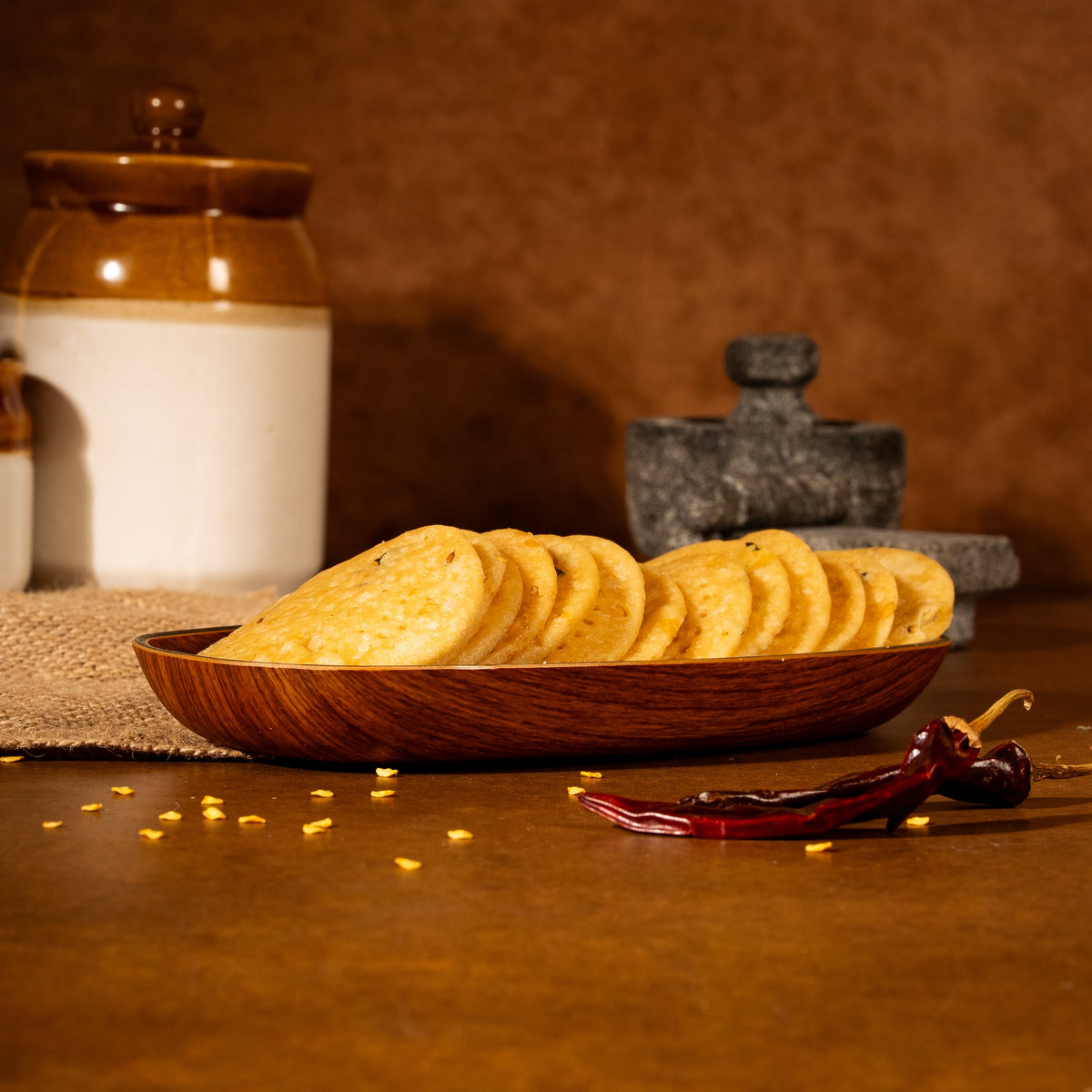
A local snack assortment should make sense to the people who shop at the outlet. Stocking every available category can create a crowded shelf before the retailer understands demand. A focused opening range, clear pack references and a review process provide a more useful starting point.
The A1 Chips store offers categories including Banana Chips, Murukkus, Mixtures, Tapioca Chips and Halwas. Use the current catalogue to investigate choices. A retail stocking arrangement and any applicable business terms should be discussed through the Authorised Retailer page.
Start with the shopping occasion
Observe why customers visit your outlet. Household replenishment, an immediate work-break purchase and a gift for someone else are different shopping tasks. A product that suits one task may still sell for another, but the display should make the intended choice easy to understand.
Record observations rather than assuming every neighbourhood has the same preferences. Staff can note repeated category requests without collecting personal customer details. Review existing sales at an aggregate level if the shop already operates. Where the outlet is new, label the customer profile as a hypothesis to test after opening.
Choose one main use case for the initial assortment and a limited secondary use case. For example, an outlet may prioritise everyday savoury shopping and keep a small sweet selection for family purchases. This is an assortment exercise, not a prediction of sales or an A1 Chips recommendation for a particular location.
Give each category a job
Banana chips can anchor a category-led display for shoppers who already know what they want. Traditional murukku and mixture products create alternative savoury choices. Sweets can serve a separate purchase intention. The point is to offer meaningfully different options rather than many nearly identical packs with no explanation.
Compare exact product pages before deciding that two items are substitutes. Ultra Thin Banana Wafers made in coconut oil, Banana Jaggery Chips and Ripe Banana Fruit Chips describe distinct choices. Do not group them under a single flavour or ingredient claim.
For traditional savouries, compare Hand Murukku, Thattai and Country Mixture. Confirm current pack options individually. A category name is useful for navigation but insufficient as the specification on an order or stock sheet.
Limit duplication at the beginning
Two products may compete for the same shelf role even when both are appealing. Ask what new choice each one adds: a different product family, texture, stated flavour or pack format. If the answer is unclear, consider testing one before listing several. This keeps the first review manageable.
Do not use fewer products as an excuse for vague labelling. Every stocked variant still needs its own record. Similar names and packaging can lead staff to combine sales that should be tracked separately. A precise opening list creates a baseline for understanding which choice customers actually select.
Keep an expansion list outside the active assortment. Customer requests for an unstocked item can be recorded there. When enough useful evidence accumulates, review one addition at a time. The aim is to improve the range through observation rather than repeatedly replacing the entire shelf after a few comments.
Plan around physical space
Map the display and the storage area separately. A product may fit on the shelf but leave too little room for the next delivery. Keep packs arranged so their identity and date information can be checked without unnecessary handling. Follow the actual storage directions rather than choosing conditions solely for display convenience.
Ask for pack and outer-carton information if those dimensions affect the purchase. Photographs do not provide reliable measurements. Do not assume that display stands or merchandising materials are supplied. If fixtures are essential to the proposed retail model, make them a separate question in the enquiry.
Leave practical space for counting and rotating stock. A packed shelf that looks full can be difficult to manage accurately. Products with different date markings should remain distinguishable. Staff should be able to identify the next appropriate stock for sale according to the pack information and the outlet's procedures.
Set trial quantities with a reason
Opening quantities should reflect the size of the trial, the planned review period and the available space. Avoid copying a competitor's shelf quantity without understanding its sales and replenishment pattern. Ask which ordering units are available before converting a proposed pack count into cartons.
An illustrative trial could allocate more packs to a familiar requested category and fewer to a new category. The exact split should come from the buyer's observations and the confirmed supply arrangement. It is not evidence of an A1 Chips minimum, recommended investment or guaranteed rate of sale.
Keep forecast and actual sales in different columns. This simple distinction prevents an optimistic estimate from becoming a false sales history. If the outlet opens later than expected, revisit the trial rather than retaining quantities designed for a different period or customer pattern.
Make the shelf understandable
Use accurate product names and keep prices aligned with the actual item being sold. Explain category differences through straightforward descriptions supported by the current page or pack. Do not add health, dietary or allergen assurances because a product belongs to a familiar snack family.
Where customers need ingredient or allergen information, direct attention to the current pack and verified product information. A staff member should not generalise from one murukku or mixture to every product in the range. Keep questions that cannot be answered accurately for follow-up with the merchant.
For category education, the traditional South Indian savoury guide and banana variety guide can help staff recognise product families. Use those guides alongside current product records, rather than as a substitute for checking a selected pack.
Review the range using several signals
Count units sold, remaining units, days unavailable and customer requests. A product with low sales while it was unavailable should not be judged like one that remained on display throughout the period. Note unusual events such as a festival promotion or a temporary change in footfall.
Review handling observations too. If packs are difficult to identify or stock is repeatedly miscounted, improve the record or display before concluding that the category is unsuitable. Operational errors can distort the evidence about customer preference. Keep the explanation attached to the figures so the next buyer understands it.
At each review, decide whether to retain, adjust, trial or pause an item. Give the decision a reason and a date for reconsideration. That creates a useful history without turning the assortment into a permanent commitment. Current availability and the team's written response remain the basis for the next enquiry.
Keep seasonal trials visible on the review sheet. Give each one an intended end point and a decision about remaining stock, following the relevant pack information. This prevents a temporary display from quietly becoming an unreviewed permanent range.
Turn the plan into a retail brief
Send a concise outlet description, category rationale, exact product references, selected pack options and proposed quantities. State whether the range is for an operating store or a future opening. Ask which products and ordering arrangements can be considered for that location.
Keep the response with the assortment sheet and change only the lines that have been clarified. For a broader purchasing comparison, see Building a Balanced Wholesale Snack Assortment. The result should be a range that is understandable to customers, countable by staff and practical to review after real sales begin.


Leave a comment
This site is protected by hCaptcha and the hCaptcha Privacy Policy and Terms of Service apply.