
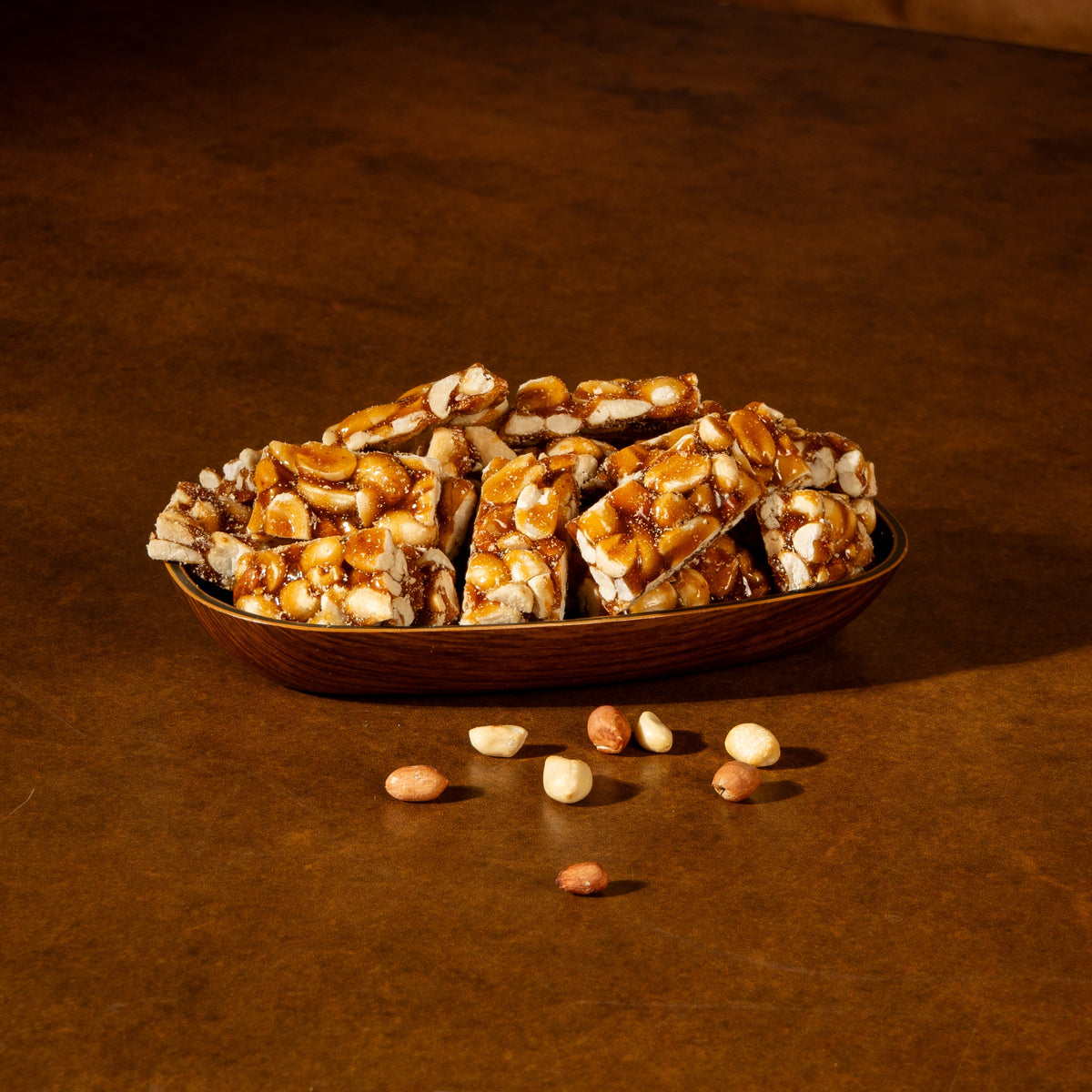
Compare peanut and sesame chikki varieties, traditional brittle textures, ingredient checks and available A1 Chips sweets. This A1 Chips guide explains how the products differ so buyers can choose based on ingredients, texture and occasion.
What makes chikki distinctive
Chikki is a traditional Indian brittle-style sweet often associated with a nut or seed base and a sweet binding ingredient. Its crisp bite is substantially different from a soft or chewy halwa. Different shapes, such as bars and small button pieces, may suit different snacking preferences even when the underlying ingredient is familiar.
Peanut versus sesame
Peanuts and sesame seeds are different ingredients with different flavours and allergen considerations. A1 Chips lists peanut chikki bar and button candy varieties as well as a sesame button candy. Customers should verify the actual ingredient list; a product made with one allergen is not automatically suitable for people avoiding another.
Why shape matters when shopping
A bar-shaped candy may be convenient for a single portion or gift assortment, while button pieces are smaller individual bites. Compare package weight and count rather than assuming the formats contain identical quantities. Check that the chosen variant is available for delivery before ordering.
Pairing chikki with other traditional sweets
Chikki can bring a brittle texture to a sweet selection alongside halwa or Mysore Pak. For gifting, consider the recipient's dental preferences and allergen restrictions. Keep original packaging and storage directions with the assortment.
Browse related A1 Chips sweets
Peanut Chikki Button Candy; Peanut Chikki Bar Candy; White Sesame Button Candy. Explore the Peanuts & Sesame Chikkies collection for current selections and availability.
Why the base ingredient changes the decision
Chikki is known as a brittle-style Indian sweet, but the featured nut or seed can define the eating experience. Peanut chikki foregrounds peanuts; sesame chikki is associated with sesame seeds. That difference is especially important for anyone with a nut or seed allergy. Do not treat the words peanut and sesame as interchangeable, and do not assume a product is free of other allergens unless the relevant packaging confirms it.
Think about bite, format and sharing
Chikki may be sold as bars, buttons or other shapes. Format can affect how conveniently a group can portion and share it, even if the confectionery category is similar. A customer buying for a desk snack may value a manageable single portion, while someone preparing a family platter may prefer a format that can be arranged into several small servings. Inspect the exact product photograph and selected pack weight rather than expecting every chikki to be a flat rectangular bar.
A selection table for first-time buyers
| Question | Peanut chikki | Sesame chikki |
|---|---|---|
| What is the featured ingredient? | Peanut | Sesame |
| What is the main dietary concern? | Peanut allergies and other declared ingredients | Sesame allergies and other declared ingredients |
| What changes between products? | Form, ingredients and packet weight | Form, ingredients and packet weight |
| What should guide a gift? | Recipient preference and label | Recipient preference and label |
Do not assume every brittle is equally hard
The texture of an individual product depends on preparation and formulation. Someone with difficulty chewing firm foods should not buy a brittle-style confection solely because it is described as a traditional sweet. Consider the recipient's preferences and needs first. Likewise, do not present a snack containing peanuts or sesame as broadly suitable for school or office sharing without checking the relevant rules and restrictions.
Build a contrast with other Indian sweets
A brittle-style chikki can be paired with a separate halwa or Mysurpa option to give the recipient a distinctly different texture. Keep them in original packaging for ingredient awareness and follow each product's storage guidance. When shopping online, check availability, selected weight and the exact listing rather than relying on a generic recipe's claims about the sweetener or oil.
Start with the seed or nut that defines the snack
Peanut chikki and sesame chikki can both belong to the broader family of brittle Indian sweets, but the named core ingredients are different. That distinction is essential for taste and especially for allergies. A1 Chips has listed peanut chikki products and sesame-based sweets; buyers should confirm the exact active product and complete ingredient statement rather than assuming any two varieties share a formula. A household familiar with peanut chikki may find sesame offers a contrasting flavour and eating experience, not simply a minor seasoning change.
Compare texture without making health claims
A brittle's texture depends on the ingredient pieces, binding and preparation. Some products may feel firmer or contain smaller components, but a general name cannot guarantee a specific crunch. Similarly, nuts and seeds have nutritional characteristics in other contexts, yet their presence in a sweet does not justify calling packaged chikki low-sugar, low-calorie or suitable for a medical diet. Nutrition comparisons require the actual product labels and appropriate serving sizes.
How to choose for someone else
Ask about allergies before gifting chikki. Peanuts and sesame can be important allergens, and an alternative product is not automatically safe where shared facilities or precautionary statements apply. If dietary suitability is uncertain, select a different gift only after checking its own ingredients. The most thoughtful option is one the recipient can confidently enjoy, not the most unusual flavour.
Serving as part of a sweet assortment
A modest chikki portion can provide a different texture alongside halwa or a bakery sweet. Serve varieties separately and keep the packet labels accessible. If you want to compare peanut and sesame chikki directly, choose similarly sized portions and pay attention to the underlying ingredient taste rather than assuming an identical sweet base. You can also contrast a brittle sweet with a savoury banana crisp, where the difference lies in both sweetness and format.
Buying checks
Verify the specific variant's weight, price and availability at purchase time. A title like “button candy,” “bar” or “chikki” may refer to a format as well as an ingredient. Examine the product photographs and package description before ordering. Once received, follow the date markings and storage directions rather than relying on a universal shelf-life estimate.
Frequently asked questions
Is chikki always made from peanuts?
No. Different chikkies use nuts or seeds including sesame, and formulas vary.
Can someone with a nut allergy eat sesame chikki?
Do not make that assumption. Check sesame, peanut and cross-contact warnings on the exact product label.
Related traditional sweets guides
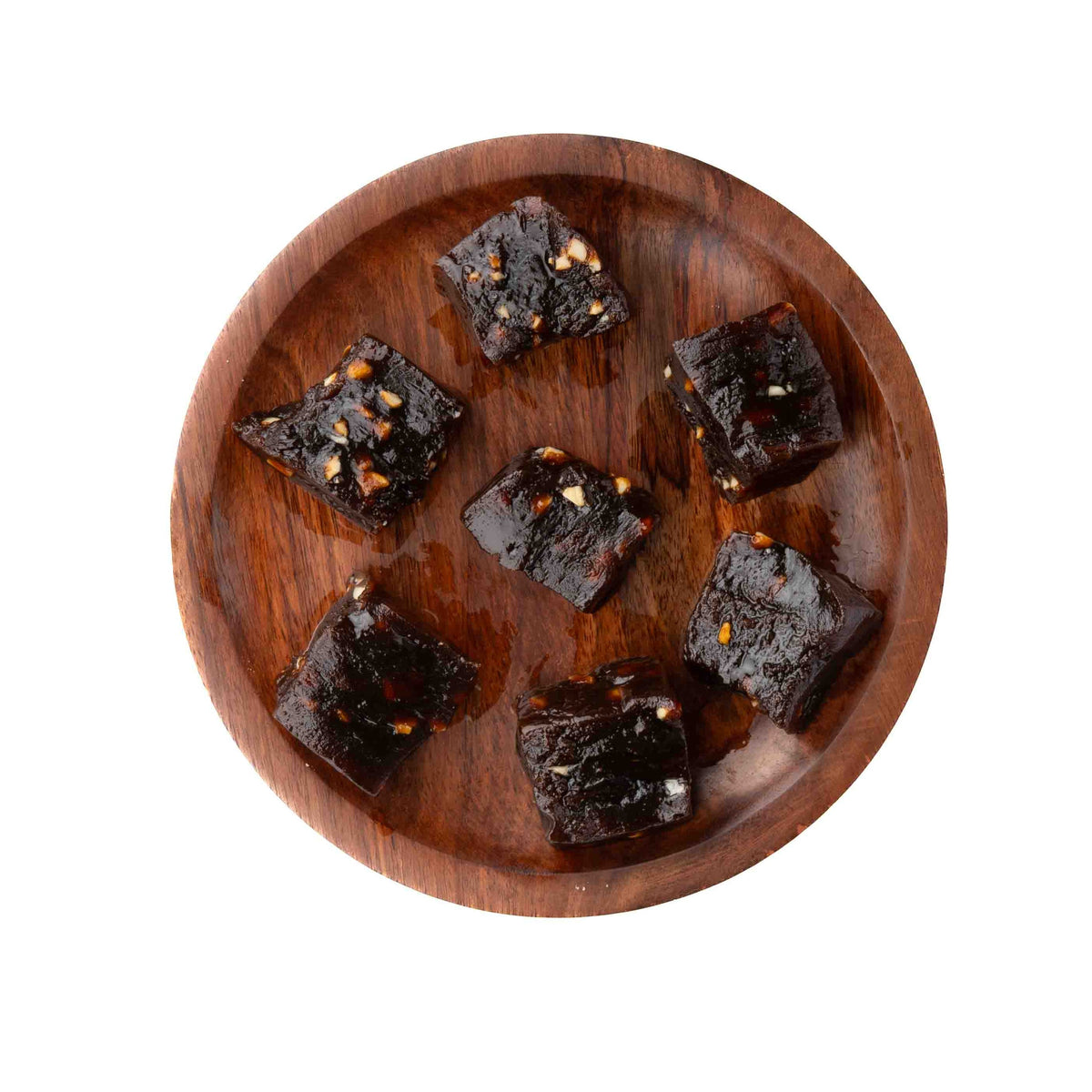
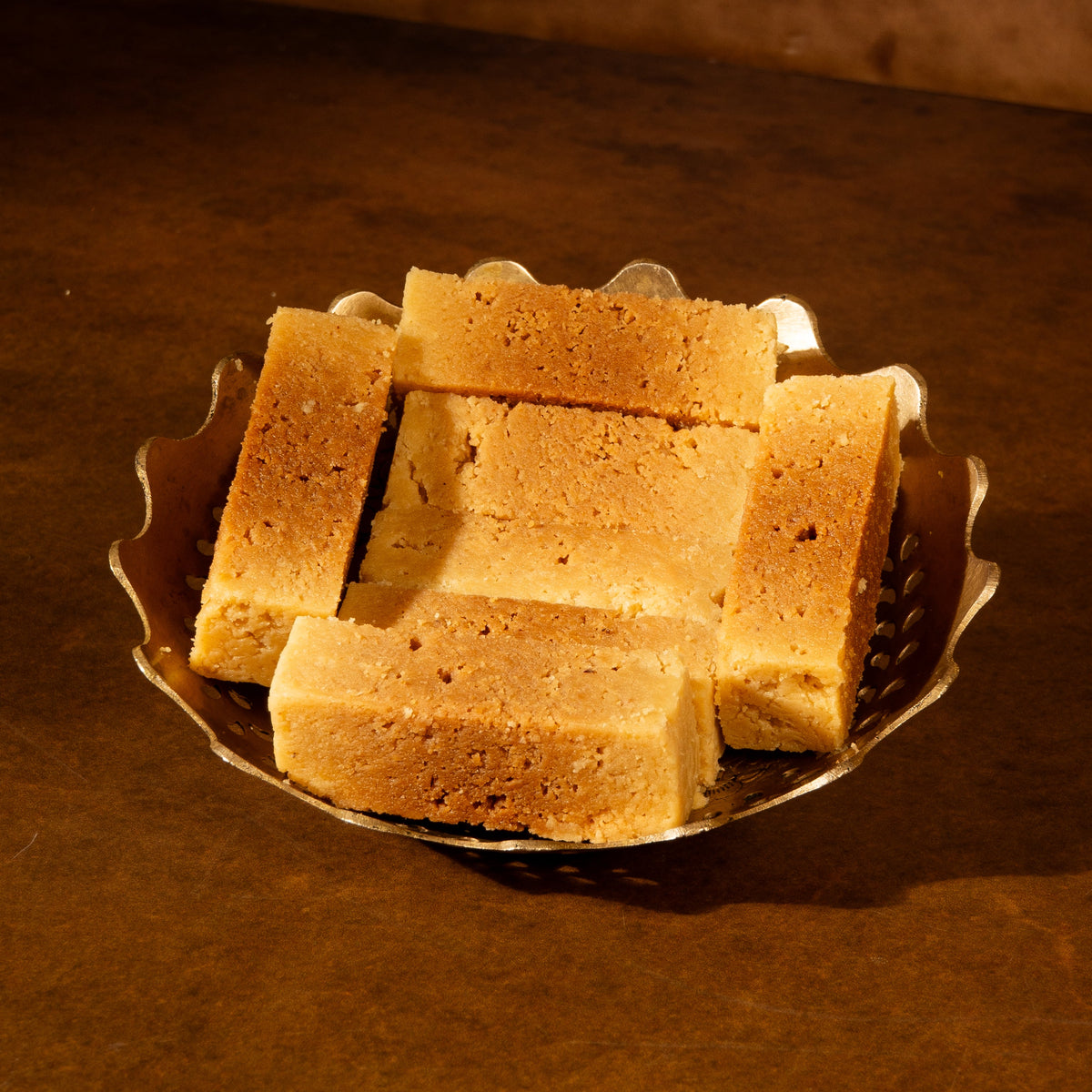
traditional indian sweets kerala halwa chikki guide · kerala black jaggery halwa buying guide · mysore pak south indian sweets guide. Read the current ingredient, allergen and storage information on each product page before ordering.

Leave a comment
This site is protected by hCaptcha and the hCaptcha Privacy Policy and Terms of Service apply.