

Discover traditional Indian sweets including Kerala halwa, peanut chikki, sesame candy and Mysore Pak, with A1 Chips buying links. This A1 Chips guide explains how the products differ so buyers can choose based on ingredients, texture and occasion.
Different sweets belong to different traditions
A1 Chips offers a broader sweet selection than its name might suggest. Kerala halwa, peanut and sesame chikkies, Mysore Pak and Ooty Varkey have different ingredients, textures and serving occasions. A useful buying guide should identify those differences rather than calling them interchangeable Indian sweets.
Halwa is a family, not one recipe
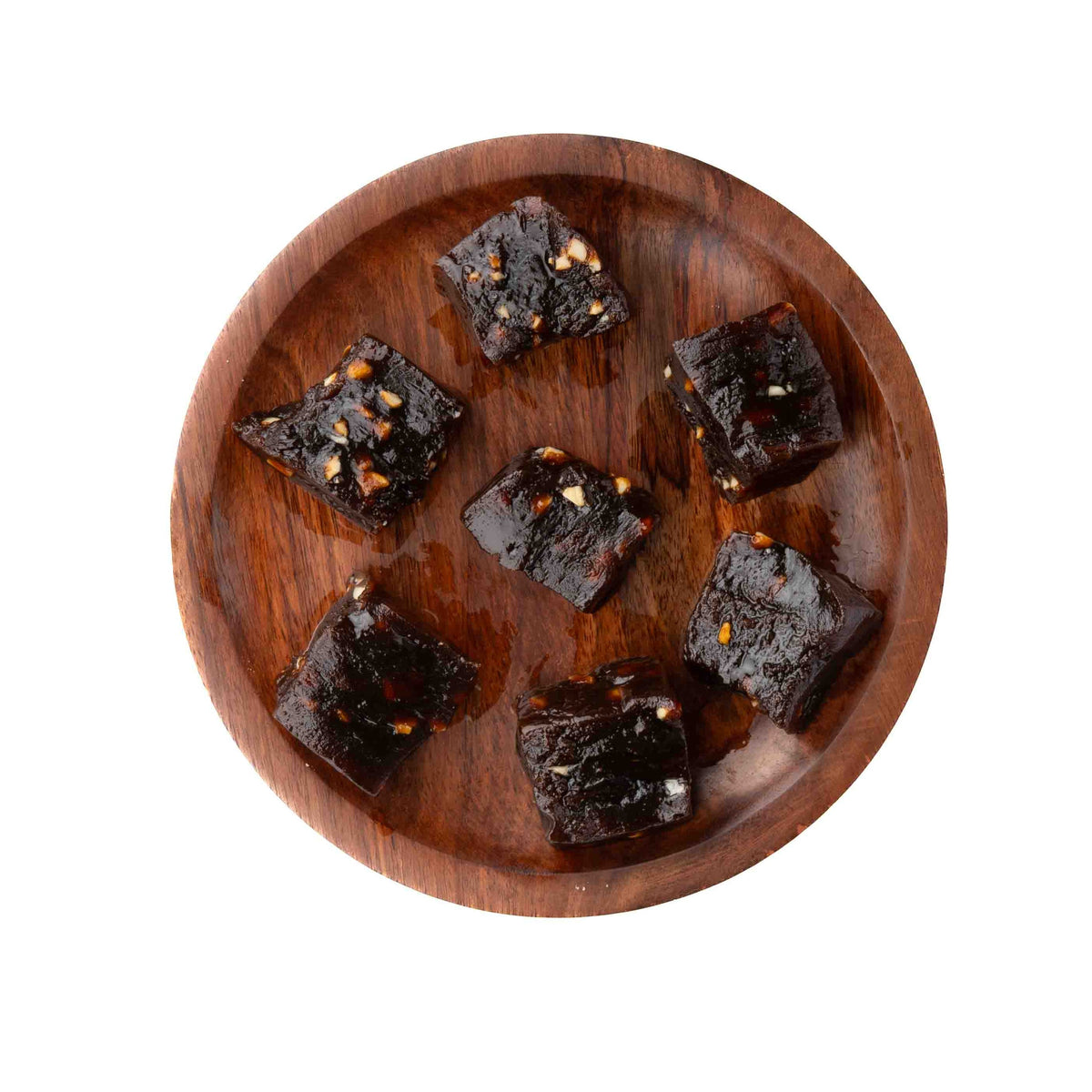
Kerala Black Jaggery Halwa and Traditional Wheat Halwa are distinct A1 Chips products. Fruit-flavoured halwa variants offer further variety. Some halwas are dense and chewy; the precise ingredients and texture depend on the product. For allergies or ingredient avoidance, consult the relevant labelled packet rather than making assumptions from the word halwa.
Chikki and Mysore Pak add other textures
Peanut and sesame chikkies are typically brittle-style sweets, unlike many halwas. Mysore Pak is another Indian sweet with its own familiar texture and flavour. Buyers creating an assortment can choose examples from more than one family to provide variety.
How to choose online
Start with flavour preferences and the intended recipient. Check exact pack size, ingredients, storage guidance and delivery suitability. A gift buyer may want a mix of crisp and soft sweets, while a first-time customer might select only one familiar product. Use the store's live product descriptions as the final authority for what is available.
Browse related A1 Chips sweets
Kerala Black Jaggery Halwa; Traditional Wheat Halwa; Petti Kadai Mysore Pak. Explore the Halwas collection for current selections and availability.
Three sweet traditions with very different textures
A shopper browsing traditional Indian sweets can easily mistake the category for a single set of dessert preferences. Kerala halwa is associated with a soft or yielding confectionery experience; chikki is known for a comparatively firm brittle character; and Mysore Pak belongs to a different sweet-making tradition. They may all appear beside one another in a sweets collection, but comparing them by texture and ingredient style is more useful than simply comparing their prices.
A practical sweets comparison
| Sweet family | What makes it distinct? | What to check on the listing |
|---|---|---|
| Halwa | Soft or yielding traditional sweet styles | Specific flavour, ingredients, weight, date instructions |
| Chikki | Nut/seed brittle-style confectionery | Declared nuts or seeds, sweetener, allergens |
| Mysore Pak / Mysurpa | A separate confectionery style | Exact ingredients, pack size, storage |
A product's name cannot establish its exact ingredients or how soft or firm it will be. For example, a halwa recipe discussed in a general food article is not proof of the formulation used by A1 Chips. The current packet declaration must remain the basis for food and dietary decisions.
Build a dessert assortment around the recipient
If you are gifting to someone who enjoys sweets but whose favourites you do not know, contrast one familiar sweet with another texture. A soft halwa and a small chikki option may offer more exploration than several nearly identical halwa flavours. For an office gift, retain labels so recipients can check nut, seed, milk or other allergen declarations independently. A balanced assortment is about choice, not necessarily about including every traditional sweet available.
Special occasions versus everyday treats
Traditional sweets have strong associations with festivals, visits and family celebrations, but they can also be bought for smaller personal occasions. The buying questions stay the same: who will eat them, what sweetness and textures do they prefer, how soon will the package be consumed and what storage guidance is provided? Do not assume that a seasonal gift pack will remain available throughout the year simply because an article mentions it.
What to verify before ordering online
Choose the exact product and selected weight. Review the ingredients and any allergy information, the manufacturer's date and storage instructions, and availability for the delivery address. For an event, leave time for possible carrier delays rather than treating estimated delivery as guaranteed. If ordering multiple different sweets, compare the pack contents and total quantity with the number of people who will share them.
How to choose sweets by the way they are eaten
A person who enjoys slow, soft bites may gravitate toward a halwa-style sweet, while someone who likes a firmer confection may be more interested in chikki. A Mysurpa-style product brings another texture tradition to the comparison. This is a more useful starting point than arranging all sweets from cheapest to most expensive, because a larger packet of the wrong texture will not be a better gift.
When shopping for several people, consider offering two contrasting sweet formats rather than many variations that are very similar. Someone who already knows their favourite halwa may prefer one larger pack. Someone exploring South Indian sweets for the first time may learn more from smaller amounts of distinctly different foods.
Understand the role of sweeteners and base ingredients
Traditional confectionery can involve different combinations of grain or flour ingredients, sweeteners, fats, seeds and nuts. The names black jaggery halwa, peanut chikki and Mysore Pak hint at important culinary associations, but they do not establish the exact formulation of every commercially prepared packet. A customer's need to avoid a specific ingredient is a product-label issue, not something that can be solved with a general explanation of a typical home recipe.
It is also worth avoiding simplistic health comparisons. Jaggery-containing products are still sweet foods; a nut-based brittle may contain other ingredients and a substantial amount of sweetness. Compare actual declared nutrition information when it matters, and do not treat traditional ingredients as medical endorsements.
Three sensible sweet-gifting approaches
A traditional favourite: Choose one well-known sweet that the recipient already enjoys. A discovery box: Select two distinct textures such as halwa and chikki. A mixed Kerala-style gift: Include a traditional sweet alongside separately packaged savoury chips or murukku. Each approach can work, but only if it fits the recipient's preferences, dietary needs and practical storage conditions.
What makes a sweet suitable for travel?
Packaging, date information and the manufacturer's storage instructions are central. Do not assume every confection travels equally well or shares the same shelf life. A soft sweet may need different handling from a firm brittle. For a gift going to another city, use the current checkout delivery options and allow for possible transport delays. Keep the packet labels intact so the recipient can identify ingredients and storage instructions without relying on the giver's memory.
Use the supporting guides with a clear purpose
The black-jaggery-halwa guide focuses on a particular sweetening tradition; the chikki comparison addresses nut- and seed-based brittle choices; the Mysurpa article helps clarify another South Indian sweet family; the Varkey guide explores a bakery snack rather than a conventional confection. Together, they let a buyer move from a broad “Indian sweets” search to a well-defined purchase. The goal is not to recommend the same item in every article, but to make each next reading step useful.
Start with texture: soft, brittle, dense or baked
A1 Chips' sweet assortment is easier to understand when we compare texture before comparing the names of sweets. Halwa is often characterized by a soft, rich or dense confectionery texture, although ingredients and individual recipes vary. Chikki usually offers a firmer, brittle bite associated with ingredients held together by a sweet binding. Mysore Pak belongs to another South Indian sweet tradition with a very different crumb and mouthfeel. Ooty Varkey is a bakery-style snack and does not behave like a spoonable or cut confection. These are starting points for exploring the range, not promises about every individual product.
For someone who enjoys crunchy sweets, chikki may be a more familiar first direction than a soft halwa. For a customer exploring Kerala-style sweets, black jaggery halwa is a distinct option to research, while traditional wheat halwa offers another recipe family. Instead of advertising every item as the same generic “festival sweet,” explain what makes the formats differ and let shoppers choose the experience they actually want.
A practical comparison by buying occasion
| Sweet family | What to compare | Helpful buying question |
|---|---|---|
| Halwa | Named base ingredients, flavour and pack size | Do I want a rich confection for sharing after a meal? |
| Chikki | Peanut, sesame or other declared components and brittle texture | Do I want a firmer sweet snack, and are ingredients suitable for the recipient? |
| Mysore Pak | Specific product formulation and serving pieces | Is the recipient familiar with this traditional sweet? |
| Bakery sweets | Type, pack count and packaging | Am I looking for a tea-time bakery accompaniment instead of confectionery? |
How to build a small sweets tasting plate
Choose two contrasting formats rather than several very similar packets. One halwa and one chikki can illustrate the difference between a rich confection and a brittle snack; a Mysore Pak adds another traditional reference if the group enjoys comparison. Cut or serve modest portions, keep each sweet separate, and follow the product's handling directions. For a larger event, consider whether sweets are the main offering or one part of a menu that already includes payasam, savouries or baked snacks.
Guests may have very different sweetness preferences. Someone who enjoys a small piece of halwa after a meal may not want a large chikki assortment; another person might prefer a crisp sweet with tea. Ask about ingredients and texture preferences instead of equating gifting value with the number of product types. For children, older guests and anyone with chewing or medical considerations, individual suitability should be assessed rather than assumed from tradition.
Ingredient declarations matter especially for sweets
Words such as peanut, sesame, wheat, ghee or jaggery can identify important ingredients, but recipe details vary by product. A name is not a complete allergen statement. Chikki and many other sweets may contain nuts or seeds; some traditional sweets contain dairy or grains. Check the actual label, including any precautionary statements, before gifting or serving to someone with restrictions. Do not promise that a product is vegetarian, gluten-free, vegan, diabetic-friendly or sugar-free unless the current manufacturer documentation explicitly supports it.
Jaggery is a sweetener, and describing it as traditional should not be used as a substitute for nutritional facts. Similarly, terms such as “homestyle” or “authentic” are not measurements of quality or safety. Explain the culinary context while letting product-specific ingredients, nutrition information and date labels govern the purchase.
Choosing quantities and protecting freshness
For a first order, a smaller quantity of two distinct sweets is often a more informative choice than one large untested pack. Compare selected weights or piece counts rather than only total price. When buying for a recipient, pay attention to delivery timing, packaging integrity and whether the item needs particular handling. Storage recommendations should be taken from the individual package, not invented as a universal number of days for all halwa or chikki products.
A current product listing is also the right place to verify availability. Seasonal or limited-occasion products may not be purchasable throughout the year, even when an educational article about the food remains useful. Avoid building a fixed buying promise into the article; instead, give the reader a direct path to the relevant current listings and alternatives in the same general sweet family.
Understanding traditional context without exaggerated claims
Southern Indian sweets have varied histories, regional names and household preparations. That diversity deserves explanation rather than compression into a single origin story. Kerala halwa, Mysore Pak and traditional chikki can be appreciated for their contrasting textures and ingredients without assigning unsupported claims about invention dates or a particular manufacturer's production methods. Cultural information should help someone recognize what they are buying, while the actual A1 Chips product description confirms what the brand sells.
If a customer starts with a broad search such as “Indian sweets for gifting,” the most helpful next step is often to ask one clarifying question: do they want soft halwa, firm brittle sweets or a mixed assortment? The answer guides a better product recommendation than simply listing everything called a sweet. Readers can then follow the connected halwa, chikki and Mysore Pak guides for deeper treatment of each tradition.
Frequently asked questions
Is Kerala halwa the same as Mysore Pak?
No. They are separate sweet traditions with different recipes and textures.
Does every Indian sweet contain nuts or dairy?
Ingredients vary. Review each product's actual label and allergen declaration.
Related traditional sweets guides
kerala black jaggery halwa buying guide · peanut vs sesame chikki buying guide · mysore pak south indian sweets guide. Read the current ingredient, allergen and storage information on each product page before ordering.
Explore this question in more detail: Ooty Varkey bakery snack guide.
Explore other A1 Chips knowledge clusters
This guide is part of Indian Snacks Online by A1 Chips. For a different buying question, continue with Kerala payasam and festival foods guide, Indian snack gifts and combo guide, A1 Chips heritage and shopping guide. Each guide connects verified snack categories to the brand's actual shopping pages.
Understand sweet names and their place on the table
Not all traditional Indian sweet names refer to the same preparation. Use the glossary for terminology, then the sweet-and-savoury pairing guide when building an assortment for sharing.

Leave a comment
This site is protected by hCaptcha and the hCaptcha Privacy Policy and Terms of Service apply.