
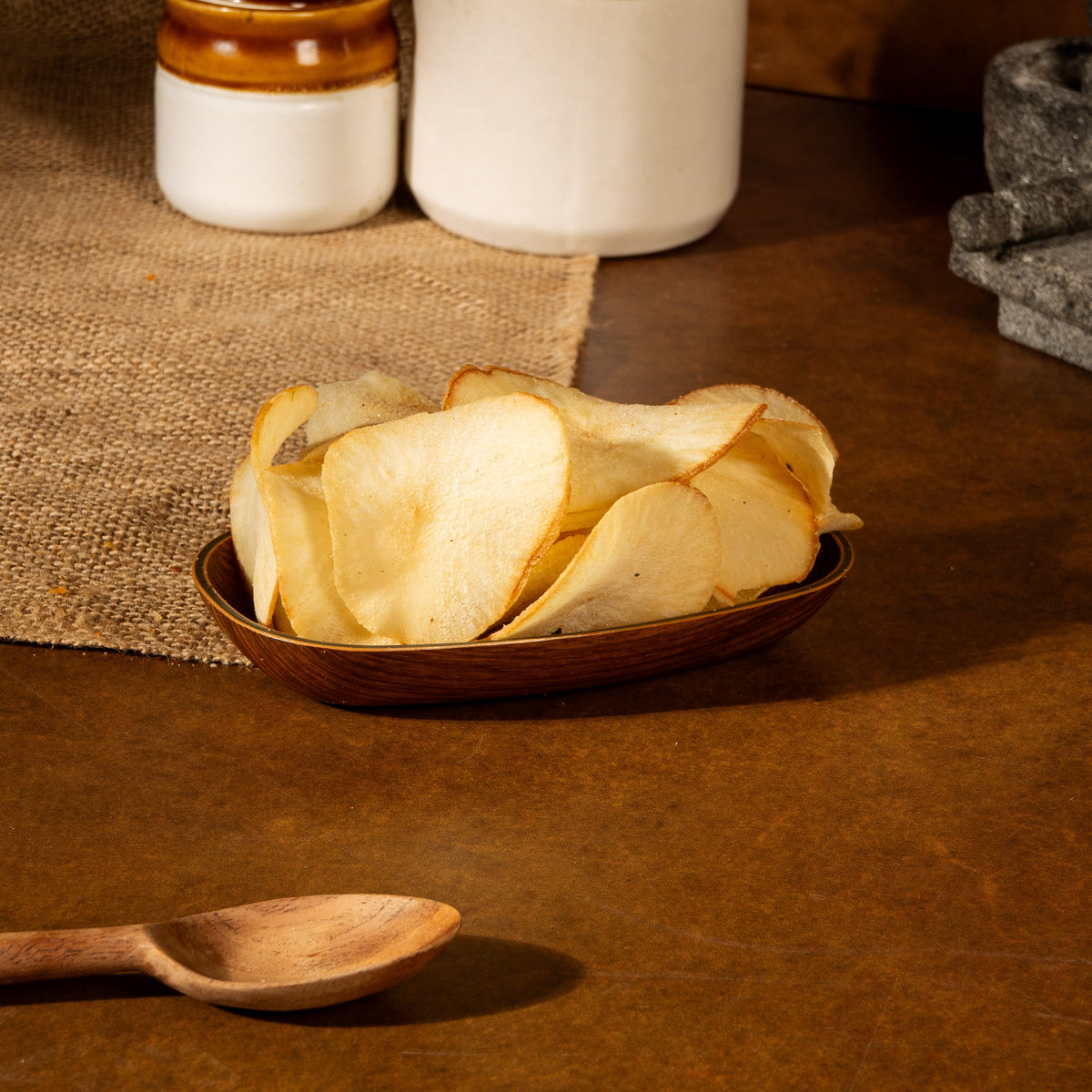
What are kappa, cassava and tapioca chips? Learn the terminology and compare A1 Chips salted, chilli and masala variants. This guide focuses on practical choices grounded in the actual A1 Chips range, not generic claims about every snack manufacturer.
One root, several names
Cassava is the root crop also called tapioca in many food contexts and kappa in Malayalam. In everyday Kerala snack shopping, these names often point to the same base ingredient. The word used on the front of a packet does not tell you how the chip was sliced, seasoned or cooked, so a complete product description remains useful.
How flavours differ
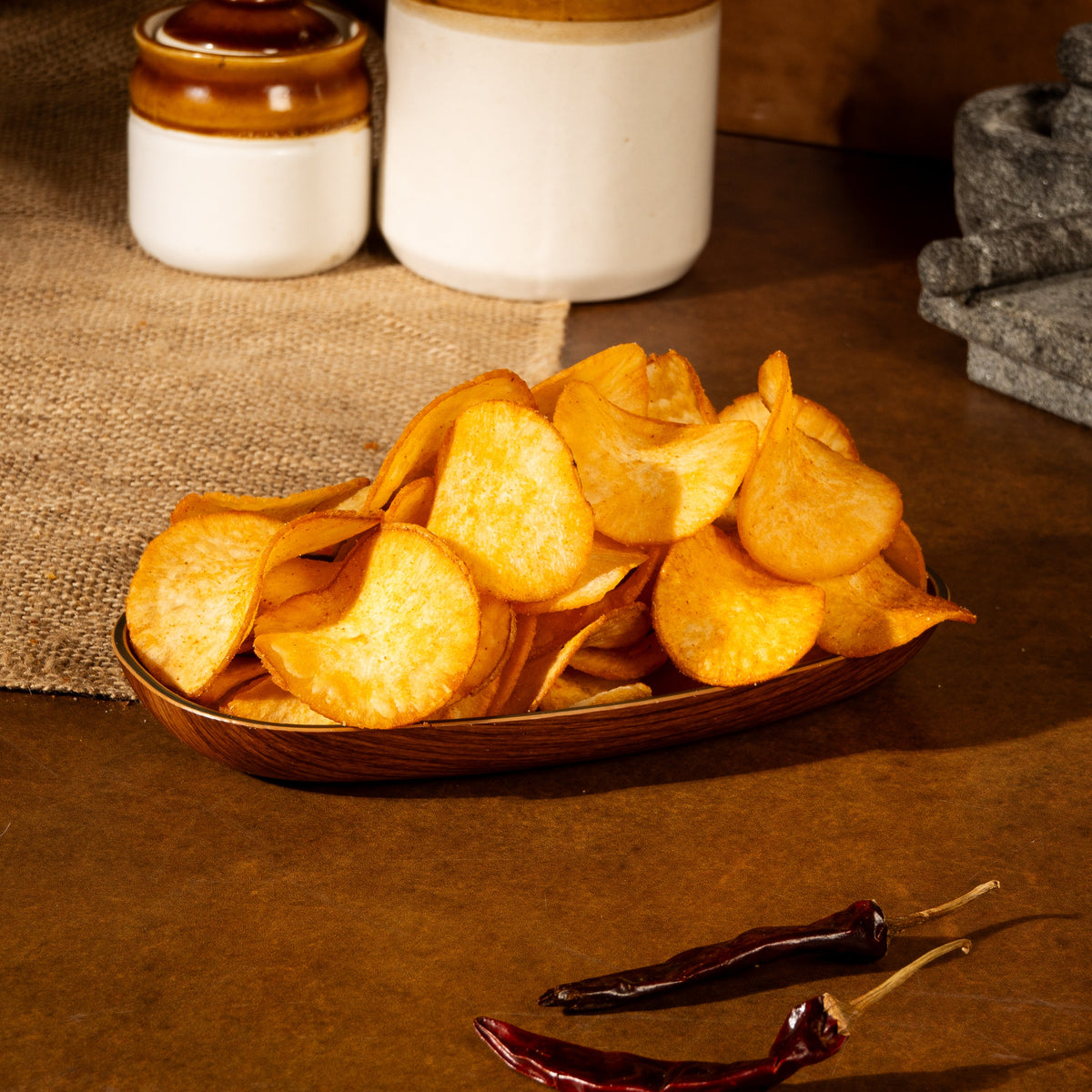
Salted tapioca chips highlight the crisp root base and a simpler savoury seasoning. Chilli-seasoned chips appeal to customers who prefer heat. Masala varieties may combine multiple spices and can taste substantially different from both. Some products are prepared in sticks rather than broader slices, changing the experience without changing the underlying root.
What to check on a packet
Look for ingredient and allergen statements, flavour name, net quantity and storage guidance. Do not assume a root-based chip is automatically suited to a particular diet or free from allergens: flavourings and manufacturing details matter. The product information on A1 Chips' current live listing should guide the final decision.
Comparing available A1 Chips styles
A1 Chips lists Tapioca Chips Salt, Tapioca Chips Chilly, Tapioca Chips Salsa Masala and Tapioca Chips Stick Chilly. Use the category page to compare and narrow options. A plain version can be a sensible first taste, while seasoned products suit those who know they prefer bolder flavours.
Shop the relevant A1 Chips selection
Review Tapioca Chips Salt; Tapioca Chips Chilly; Tapioca Chips Salsa Masala. Browse Tapioca Chips to check additional options. Current pricing, variant availability, ingredients and delivery are determined by the live store.
Why the terminology matters when shopping
Cassava and tapioca are closely related terms in food shopping, while kappa is a familiar Malayalam name for cassava. In ordinary snack conversation these words often point to the same root ingredient. Yet products can differ considerably: one brand may slice cassava into rounds, another may make sticks, and the seasonings may range from simple salt to chilli-based mixes. Understanding the vocabulary helps a buyer find the right category; it does not replace reading the individual packet.
Why cut and seasoning deserve separate attention
A thin flat chip and a stick-shaped cassava snack can feel different in the mouth even with similar seasoning. Cut shape affects how the snack is picked up and how seasoning reaches the surface. Seasoning, in turn, can dominate a product's identity: a lightly salted cassava chip may appeal to someone who wants a straightforward savoury bite, while a chilli version suits customers who actively seek spice. The safest way to judge is to compare photographed shapes, variant names and the current ingredient statements.
From search phrase to the correct A1 Chips product
A customer may search for “kappa chips,” “tapioca crisps,” “cassava chips chilli,” or simply “Kerala chips.” Those phrases are not always equally specific. Start with the root-based chips collection, then narrow by salt, chilli or stick format. In the A1 Chips catalog, Tapioca Chips Salt and Tapioca (Cassava) Chips Chilly are distinct options; another listing refers to Tapioca Chips Stick Chilly. Check the product title and variant together to avoid confusing a stick format with a standard slice.
Ingredient awareness before a first purchase
Do not infer that every cassava snack has the same oil, spice blend or allergen profile. If the product is for someone with dietary restrictions, the packet is the decision-maker. Generic online articles can describe cassava as a root, but they cannot confirm the manufacturing conditions or specific formulation of a particular snack. Also avoid assuming that cassava-based means the item is unprocessed or low in calories: chips are prepared snacks, and product-level nutritional information should guide such comparisons.
Serving and ordering ideas
Try salted cassava first if you want to focus on the underlying snack texture, followed by a chilli version for contrast. For an all-Indian-crisps platter, serve cassava alongside a fruit-based jackfruit or banana chip. For gifts, keep the product names and packages with the platter so guests can identify the different bases. Before ordering, confirm selected variant weight, availability and destination at checkout. A word that is synonymous in everyday language does not mean two Shopify product listings are identical.
Why one snack has several common names
Cassava is the plant whose starchy root is used for many foods. In everyday Indian English, “tapioca” often names that root or foods prepared from it, while “kappa” is a familiar Malayalam term. When buying chips, customers may search for kappa chips, cassava chips or tapioca chips and mean roughly the same root-based snack category. This overlap is useful for search, but it does not mean every recipe or packaged product is identical. Thickness, seasoning and ingredient choices still distinguish the finished snacks.
Read the product, not just the search keyword
A query for “kappa chilli chips” is more precise than a query for “tapioca.” The first expresses an intended snack and flavour; the second might refer to raw ingredients or another prepared food. When looking at the A1 Chips range, compare the salted, chilli and stick-cut options individually. A “stick” name refers to shape, while “chilli” describes seasoning and “salt” suggests a simpler flavour direction. Each should lead to the corresponding product listing rather than a general food article alone.
What to expect from different formats
Thin chips, wider slices and stick-style pieces can feel different to eat, even if they begin with the same root. Shape changes the proportion of surface seasoning to each bite and the way a handful of pieces feels. Product photographs help illustrate cut but cannot reliably establish crispness or exact flavour strength. The current product description and ingredient declarations give a better basis for selecting the first packet.
Use a practical shopping checklist
Confirm the option's pack weight, total price and stock status. Check that the destination URL leads to the right product title: a legacy URL can be misleading even when the page and product data are correct. For a tasting order, buy two contrasting seasonings rather than several nearly identical packets. If shopping for someone with allergies, consult individual labels and do not infer ingredient exclusions from the name cassava or kappa alone.
How to serve a comparison
Place a simpler salted option in one bowl and a seasoned option in another, then invite tasters to identify which they prefer. Add a separate jackfruit or banana-chip bowl only after tasting the two tapioca formats; this keeps the difference between seasoning and main ingredient clear. This approach is useful at family gatherings and when choosing a repeat purchase, and it avoids promising that any specific flavour will appeal to every guest.
Frequently asked questions
Is kappa the same thing as cassava?
Kappa is a Malayalam name commonly used for cassava. In the context of chips, it identifies the primary root ingredient.
Is every tapioca chip spicy?
No. Salted and chilli or masala versions are different product choices; read the specific description.
Read related guides
kerala tapioca jackfruit chips buying guide · salted vs chilli tapioca chips · jackfruit chips kerala buying guide. You can also read our Kerala banana chips buying guide.

Leave a comment
This site is protected by hCaptcha and the hCaptcha Privacy Policy and Terms of Service apply.