

Bulk snack planning for an event starts with attendance and service, not a guessed number of cartons. The organiser needs to know when snacks will be offered, whether packs will be shared or handed out, and which other refreshments are available. Those decisions determine the kind of quantity estimate that will be useful.
This guide helps an organiser prepare a business enquiry for A1 Chips. It does not prescribe a universal portion size or confirm event catering, custom packing or delivery services. Use current product information to prepare a shortlist, then ask the relevant business team to confirm the available supply arrangement.
Separate attendance from snack recipients
An event attendance estimate may include speakers, organisers, service staff and participants who will not all receive the same refreshments. Identify the intended snack recipients for each service period. If the programme includes take-home gifts, keep that recipient count separate from shared refreshments.
Use the best available source for the estimate, such as approved registrations or an internal attendance forecast. Mark uncertain figures clearly. A working estimate is useful when its assumptions are visible; it becomes misleading when it is presented as a final confirmed count.
Map the service periods
Write down when snacks will be offered and how long each period will last. A short tea break, a longer informal gathering and a departure handover are different settings. The same total attendance can create different needs depending on the number and format of those moments.
Consider what else is being served. Snacks may complement a meal, accompany tea or stand alone during a short programme. There is no one product quantity that fits all of these situations. Explain the programme in the supplier enquiry so the discussion is grounded in the actual event.
Choose sealed issue or shared service
Individually issued sealed packs can simplify allocation and preserve product identification. Shared service involves opening packs, arranging serving containers and keeping ingredient information available. The organiser should choose the format deliberately rather than leaving it to staff at the venue.
If several formats are being compared, describe each as a separate option. Ask what product and pack choices are available. Do not assume a particular bulk or event format exists because a retail product is listed online.
Build a small product shortlist
Select products that offer useful differences in texture and flavour. A salted crisp, a traditional savoury and a sweet may provide more meaningful variety than several very similar spicy items. The right balance depends on the event and recipients, not on a fixed formula.
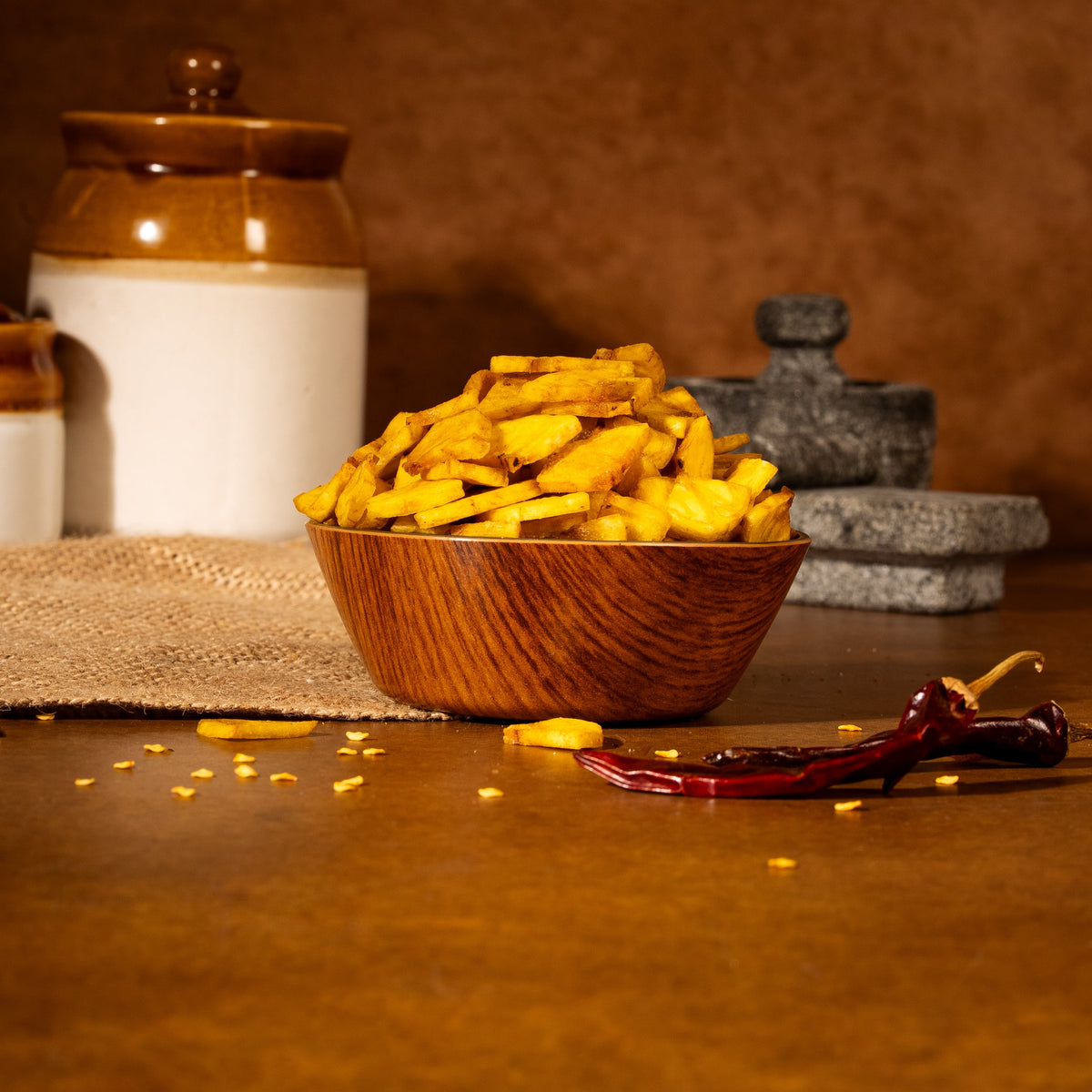
The banana-chip, murukku, mixture and halwa collections can support the research. Use exact product names when preparing the quotation brief. Check the listed pack options and ingredient information rather than relying only on category labels or promotional photographs.
Estimate quantity on the correct basis
For sealed issue, define how many usable units each recipient is intended to receive. For shared service, prepare a serving plan for the actual sessions and ask the supplier about the products and formats under consideration. Keep any reserve quantity separate from the base requirement.
A reserve should address an identified uncertainty, such as late registrations or a change in attendance. It should not be an unexplained percentage applied to every product. Record who approved the assumption and when the organiser expects to finalise the count.
Use a service worksheet
A useful worksheet includes service period, estimated recipients, format, named products, pack options, proposed quantity and responsible coordinator. Add a separate line for take-home gifts if they are part of the programme. This prevents refreshments and gifts from being combined into one confusing total.
For illustration, a morning tea break might use shared service while a closing handover uses sealed assortments. The organiser would prepare two linked but distinct requirements. This is a planning example, not a recommendation for a fixed amount of food or a statement of A1 Chips' services.
Keep ingredient information accessible
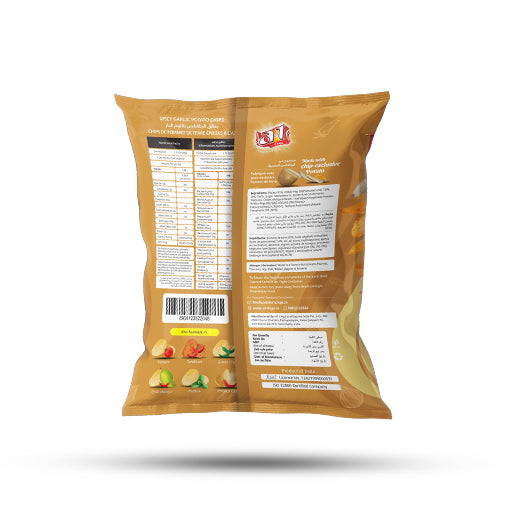
Review the current ingredient and allergen information for every proposed product. Obtain clarification where a specific requirement affects selection. Do not infer suitability from the snack's regional name, familiar appearance or cooking oil.
When products are served outside their original packs, the organiser needs a way to identify the items accurately. Serving bowls should not become anonymous mixtures. Keep the relevant information available to the people handling service so that questions can be answered without guesswork.
Plan the arrival and receiving checks
Identify the venue contact, receiving address, access window and event handover time. Tell the supplier the actual constraints and ask for a supported schedule. A preferred arrival date is not a confirmed delivery commitment until the arrangement is accepted.
Allow time to check quantity and pack condition before the service team needs the products. If there is a discrepancy, record it clearly and contact the appropriate supplier representative. Do not plan the entire service around an unverified assumption about dispatch timing.
Check storage and opening arrangements
The venue should be able to store the products according to their actual pack instructions. Consider where goods will wait before service and who controls access. A last-minute pile of cartons in an unsuitable space is not a complete receiving plan.
For shared service, decide who opens packs and how the service quantity will be replenished. Follow the relevant product directions for handling any remaining goods. This guide does not assign an after-opening storage period or a common shelf life across different snacks.
Define substitutions before the event
If an item becomes unavailable, an alternative can change ingredients, format and the flavour balance. Ask how substitutions would be proposed and who must approve them. A replacement should be evaluated against the event's requirements rather than accepted only because it has a similar price.
Keep the approved assortment and any accepted alternatives in the service record. The receiving and serving teams should work from the same version. An informal change that only one coordinator knows about can create unnecessary confusion at the venue.
Reconcile what was used
After the event, record what was received, opened, issued and left unopened. Distinguish attendance changes from product-selection issues. Leftover stock alone does not prove that a snack was unpopular; the quantity, timing and other refreshments may explain the result.
Use practical feedback to improve the next plan. Ask whether pack formats were convenient, service replenishment was clear and product information was easy to find. Do not convert a few casual comments into a representative satisfaction score without an appropriate method.
Keep one coordinator responsible for the final count
An event may have several teams suggesting products or revising attendance. Name one person to consolidate those inputs before the supplier receives a final instruction. The coordinator should check that the quantity matches the latest service plan and that older versions are no longer being circulated. This does not replace the organisation's approval process; it gives that process a clear current record.
Send a focused enquiry
Include the event purpose, proposed recipients, service periods, format, product shortlist, destination and required window. State which figures are estimated and which requirements are essential. Ask A1 Chips to confirm the available options, quotation scope and supported delivery arrangement.
Use Institution for an organisational service requirement or Corporate Orders where the purpose is gifting. Read the wholesale Indian snacks guide, the pack-format comparison and the purchase-specification guide for the connected decisions. A useful event order is built from a clear service plan and confirmed terms rather than a guessed bulk quantity.
Current product references
For individual pack research, compare Ultra Thin Banana Wafers and Hand Murukku. Check current product details and options. These catalogue references do not establish a commercial quantity, case configuration or quotation.
Related business buying guides
- Wholesale Indian Snacks: A Practical Bulk-Buying Guide
- Bulk Snack Packs vs Retail Packs: What Buyers Should Compare
- Building a Balanced Wholesale Snack Assortment
- Planning Repeat Bulk Snack Orders Without Overstocking
- How to Prepare a Bulk Snack Purchase Specification
- Corporate Snack Gifting Procurement: From Brief to Approved Order

Leave a comment
This site is protected by hCaptcha and the hCaptcha Privacy Policy and Terms of Service apply.