
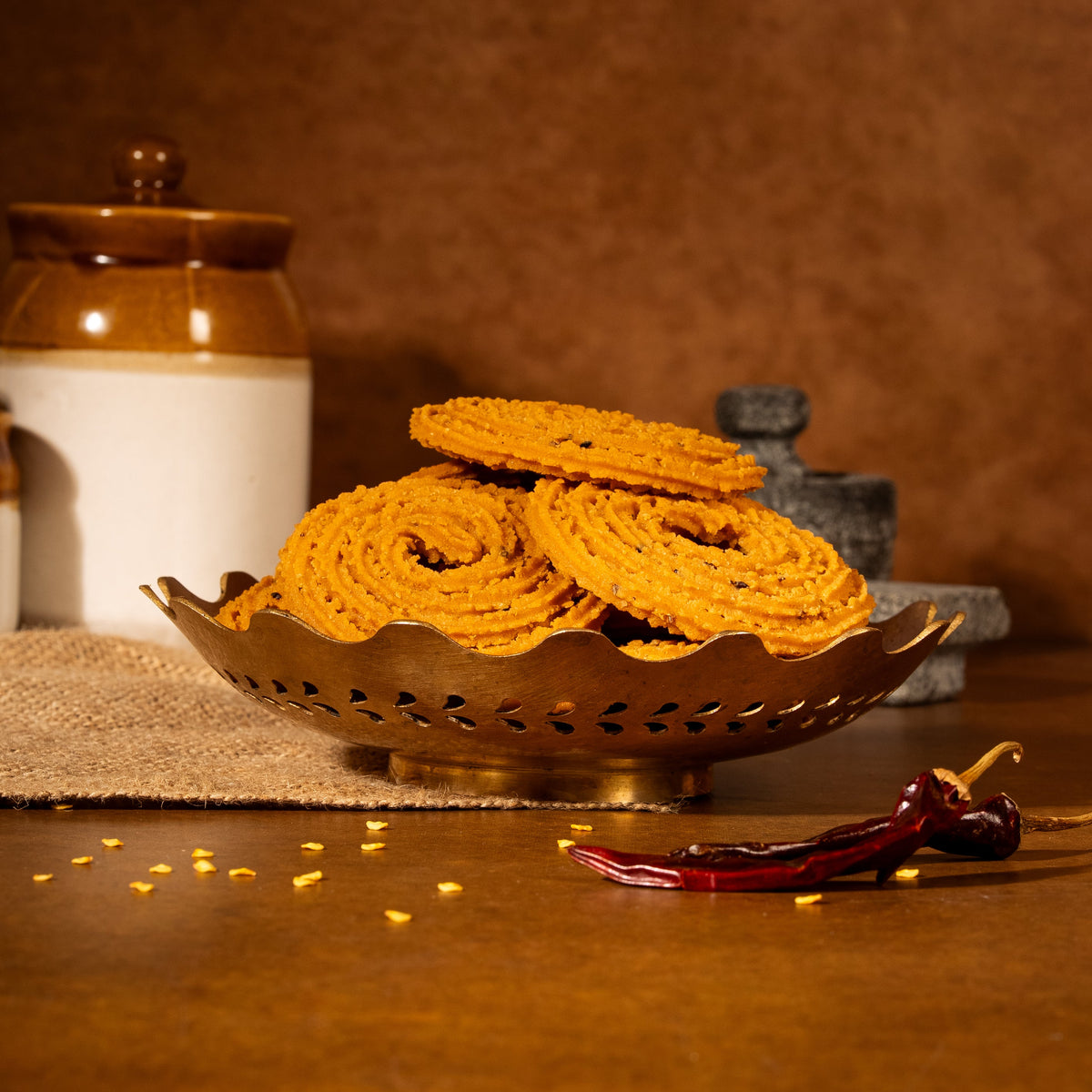
Organize an Indian snack tasting at home with thoughtful tasting order, texture comparisons, label checks and practical guest feedback. This practical A1 Chips guide addresses one specific serving question rather than duplicating food-family buying advice.
Make tasting a learning experience
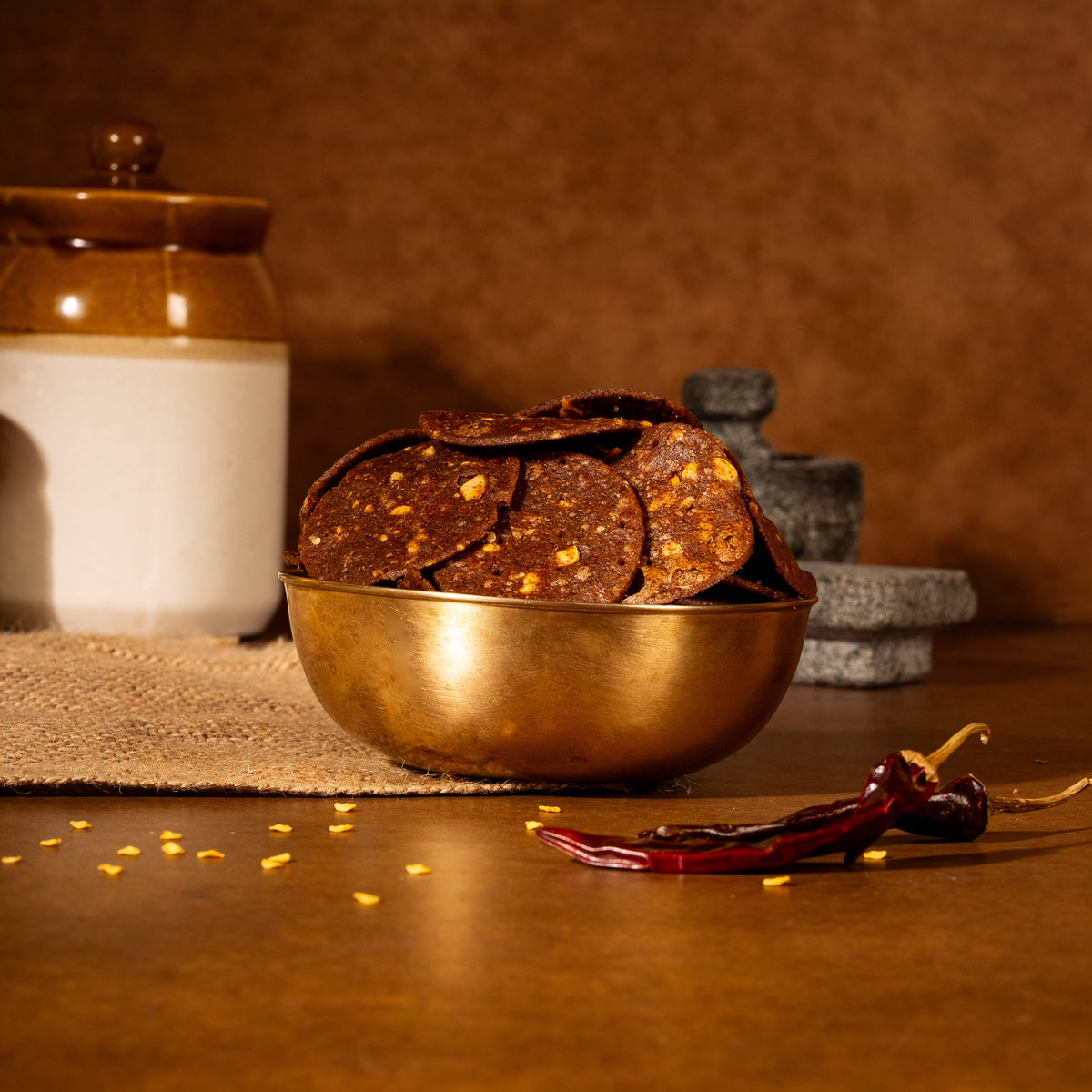
A snack tasting does not need a formal panel or an expensive assortment. A few different food formats can create an enjoyable conversation about flavour, ingredient and texture. Instead of asking which is objectively the best, invite guests to describe what they prefer. One person might like a wafer-thin banana chip, another a jackfruit crisp and another a shaped murukku. Those differences are useful for future buying because taste remains personal.
Choose three or four types with obvious contrasts rather than many variants that look and taste nearly identical. A familiar chip can be the starting point; a root-based crisp or a different shaped savoury introduces a useful next comparison. A small sweet can provide contrast if the group enjoys it.
Design a clear tasting order
Begin with a product that is not strongly seasoned, then explore bolder flavours. That practical sequence can help people notice the ingredient before strong seasoning dominates their attention. If you have sweet-coated chips or chikki, consider offering them afterward rather than mixing them into the initial savoury comparison. This is a convenient method, not a scientific requirement or a claim about traditional serving customs.
Serve each snack in a separate labelled dish. Keep fresh water available and allow short pauses between samples. Avoid using blindfolded or unlabeled tastings if guests need to check ingredients or allergies; an entertaining activity should never conceal important food information.
Ask three helpful questions
Rather than scoring everything with one number, ask three questions after each sample. How does the texture feel? Which ingredient or seasoning is noticeable? Would you choose this for your own next order? These questions separate food curiosity from actual purchase intent. A person may appreciate an unusual flavour but still prefer something familiar as an everyday snack.
Write down a few observations. If someone prefers a particular cut of banana chip or a specific murukku format, that becomes useful information for a later basket. Avoid statements that the winner represents the taste of all Indian consumers or proves superiority of a regional food tradition.
Portion sizes and responsible preparation
A tasting generally needs less of each item than a normal meal-sized snack platter. Start with small portions and refill if necessary. Keep unopened packs aside until the group wants them, reducing exposure to humidity and helping limit waste. Follow the printed handling directions for the specific products rather than applying the same storage advice to chips, confectionery and bakery snacks.
Read all packaging before the tasting begins. In groups where ingredients matter, check the product-specific declarations and precautionary statements. A dish labelled with only a flavour name is not enough to address serious allergies. Clean utensils and separate bowls also help retain clear product identity.
Turn feedback into a better first or repeat order
At the end of the tasting, ask each guest to identify an everyday favourite and an interesting occasional choice. A family might learn that it likes thin wafers most, enjoys a small spicy tapioca packet occasionally, and prefers a traditional sweet only at celebrations. This is a more actionable outcome than buying large assortments based only on promotions.
The mixed-crisps tasting-box guide explains how to choose a purchase, while the platter guide helps plan quantities and serving. This article focuses on conducting the event and learning from what guests actually enjoy.
Questions to settle before inviting guests
Should every guest sample every product? No; preferences and restrictions come first. Do I need ten different types? No; a few deliberate contrasts are often clearer. Can I use a current A1 Chips combo? Yes, if its listed contents are suitable for the people attending; check the actual included products rather than older campaign photos.
What about unavailable flavours? Do not imply an out-of-stock variant can be ordered, and never silently substitute an unfamiliar product. Read current product pages and checkout before making any time-sensitive plan.
Build a five-minute scorecard that captures useful preferences
A tasting becomes more useful when feedback is easy to record. Give each guest a small sheet with the product name and three open-ended spaces: texture, flavour impression and whether they would buy the snack again. You do not need a complicated numerical scale, because one person may enjoy a crisp but not want a large packet and another may prefer it specifically for a group occasion. Encourage tasters to describe their observations in their own words rather than agree with the host's favourite. A short note about what surprised them can guide a more adventurous next order.
Consider comparing one dimension at a time. For a texture experiment, choose thin and thick banana-chip styles while keeping the flavour direction reasonably close. For a seasoning experiment, compare two tapioca products that differ by declared flavour. For an ingredient comparison, contrast banana, tapioca and jackfruit. A tasting can still be informal and enjoyable, but keeping a clear purpose makes it easier to interpret the results. Avoid describing a product as 'healthier' or free of allergens merely because the group preferred its taste.
After the session, turn the notes into a practical shopping shortlist: an everyday favourite, a less familiar occasional choice and perhaps one sweet for a particular event. Double-check each selected product's current weight and availability rather than treating a tasting-day record as a permanent catalog snapshot. If guests liked an unavailable size, mention the limitation explicitly instead of assuming that a different weight or unrelated product is an equivalent replacement. Repeat the tasting with fresh product information when the family wants to explore another part of the A1 Chips range.
Related snack pairing and serving guides
- Indian Snack Platter Guide
- What to Serve with Indian Tea: Banana Chips, Murukku and Sweets
- Sweet and Savoury Snack Pairings for Family Sharing
- Serving Packaged Indian Snacks: Bowls, Labels and Freshness
For current products, weights, ingredients and delivery, consult the relevant A1 Chips product page and checkout. Explore Indian Snacks Online.
Explore the related A1 Chips range
These are live catalog destinations for comparing the product types discussed above. Check each product's current ingredients, available pack sizes and delivery options before ordering.


Leave a comment
This site is protected by hCaptcha and the hCaptcha Privacy Policy and Terms of Service apply.