
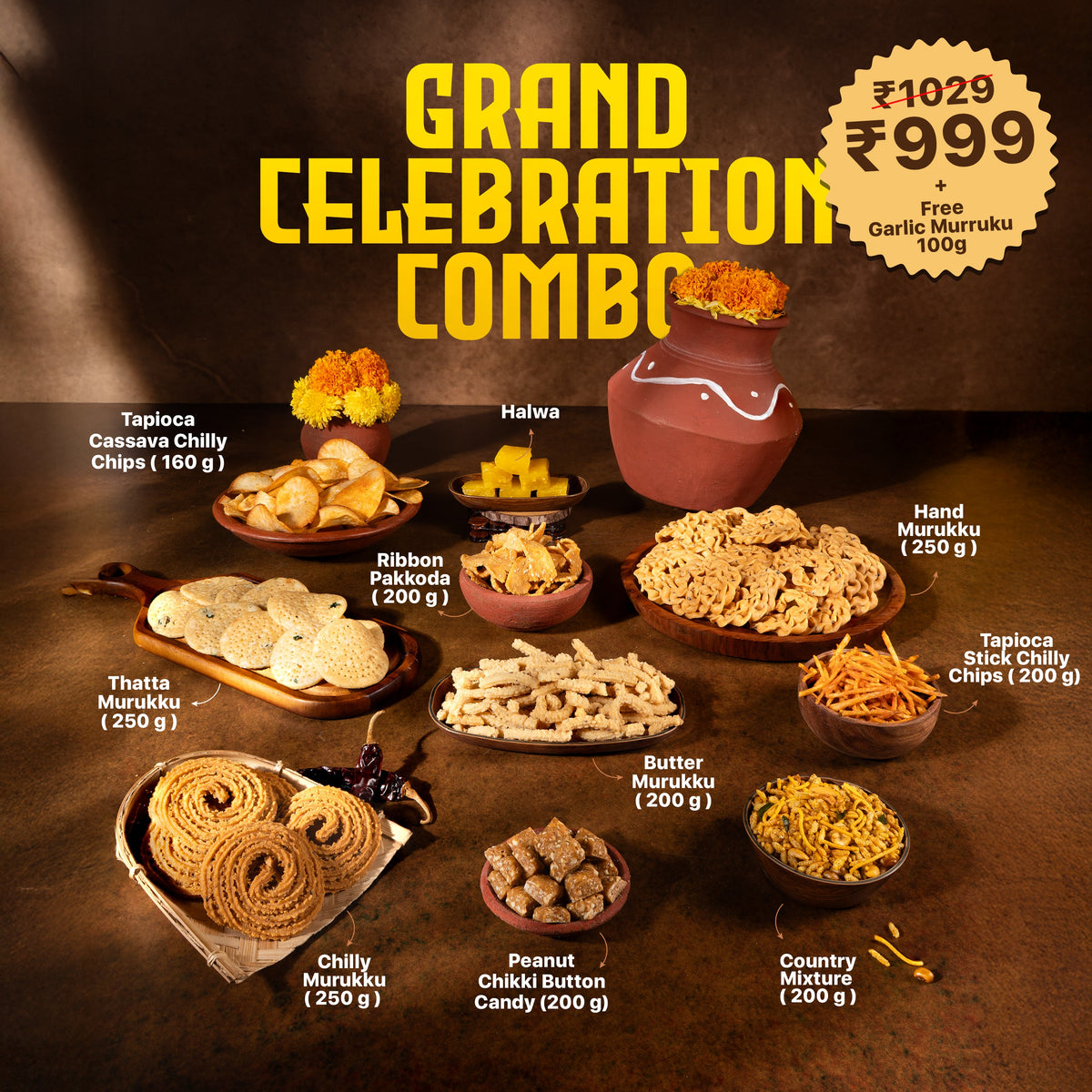
Create a balanced Indian snack platter with chips, murukku, sweets, varied textures and practical serving advice for family gatherings. This guide helps A1 Chips shoppers move from individual packets to a thoughtful and practical shared snack experience.
First decide what the platter is for
An afternoon tea visit, a family reunion and a festive meal do not call for the same quantities or varieties. A platter served before a full meal should provide a few satisfying bites; a longer gathering where snacks are central may need more choice. Begin by thinking about the people, the occasion and what else will be served. This is more useful than opening every packet available in the cupboard. An effective selection feels purposeful without demanding that every guest taste every food.
Consider the group's relationship with traditional Indian snacks. Some visitors may already know Kerala banana chips and murukku, while others might be discovering tapioca or jackfruit chips for the first time. A familiar anchor makes unfamiliar products less intimidating. Also ask about allergies or dietary restrictions before selecting items. A beautifully arranged platter is not a success if a guest cannot tell which snack is suitable for them.
Use texture as a practical guide
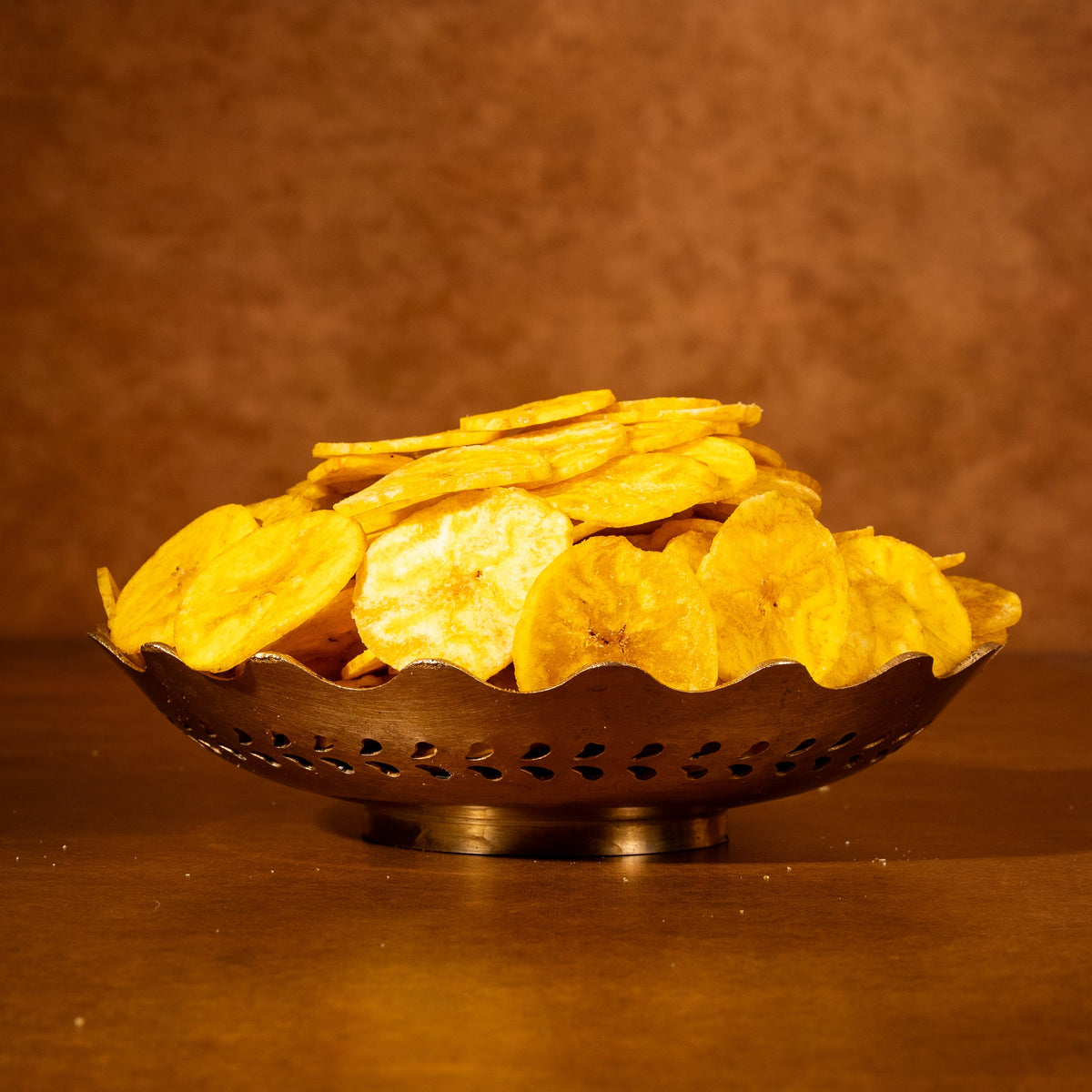
Different snack shapes are often more noticeable than minor seasoning changes. Thin banana wafers can feel delicate, thicker chips offer a firmer bite, murukku brings a twisted or coiled savoury format, and mixture contains assorted smaller components. Traditional sweets create another contrast: a brittle chikki is unlike a softer halwa. These are general descriptions of food formats, not guarantees about the exact texture of a particular batch. Product-specific ingredients and preparation still matter.
Try selecting one item from two or three different formats rather than several very similar versions of one chip. A potato crisp, a tapioca crisp and a thick-cut banana chip may have different base ingredients but still present a largely crisp-based tray. Adding a shaped savoury or a small sweet can broaden the experience. Where family preferences are already well understood, it is perfectly reasonable to focus on favourite textures instead of maximizing variety.
Sweet, salty and spiced: build contrast deliberately
A useful platter can move from familiar savoury flavours toward stronger seasonings, with sweetness reserved for people who enjoy it. Jaggery-coated banana chips offer a sweet-coated crisp, while chikki, Mysore Pak and halwa occupy different sweet traditions. They cannot be substituted for one another without considering the recipient's preferences and their individual ingredients. If the meal already ends with payasam or another dessert, the snack platter may be better kept mostly savoury.
Do not call one packaged savoury 'mild' or 'very spicy' without a reliable manufacturer description, because recipe and heat levels vary. For a mixed group, separate a familiar savoury from a more assertively seasoned option and let guests decide. Likewise, do not infer a product is low-fat or suitable for a medical diet from the words 'traditional', 'plantain' or 'jaggery'. Read individual labels where nutrition or allergens matter.
A three-bowl starting point
One practical method is to prepare three distinct bowls. The first holds a familiar crisp such as banana or potato chips; the second contains a shaped savoury such as murukku or thattai; the third offers another flavour direction, perhaps a mixture or a modest sweet depending on the group. This is an adaptable design exercise, not a prescription for the correct Indian snack platter. Keep room to adjust when guests prefer only one of the formats.
Begin with modest amounts rather than emptying entire packets. You can refill a popular bowl while keeping other products sealed. This preserves flexibility if a flavour turns out to be less popular and helps reduce the amount of exposed food. For a larger gathering, label the bowls with product names and keep the original packets accessible. Labels are especially useful where a combination contains several ingredients or where someone needs to check a specific allergen.
How to plan portions without inventing a formula
There is no universal grams-per-guest rule. A small tea break with dinner following is not comparable to an afternoon devoted to conversation and snacks. Consider the duration, number of people, other dishes, likely preferences and whether leftovers can remain unopened. A host may find that two moderately sized contrasting packets are more useful than one very large unfamiliar flavour. The cheapest price per gram is not always the best choice if the snack will not be eaten.
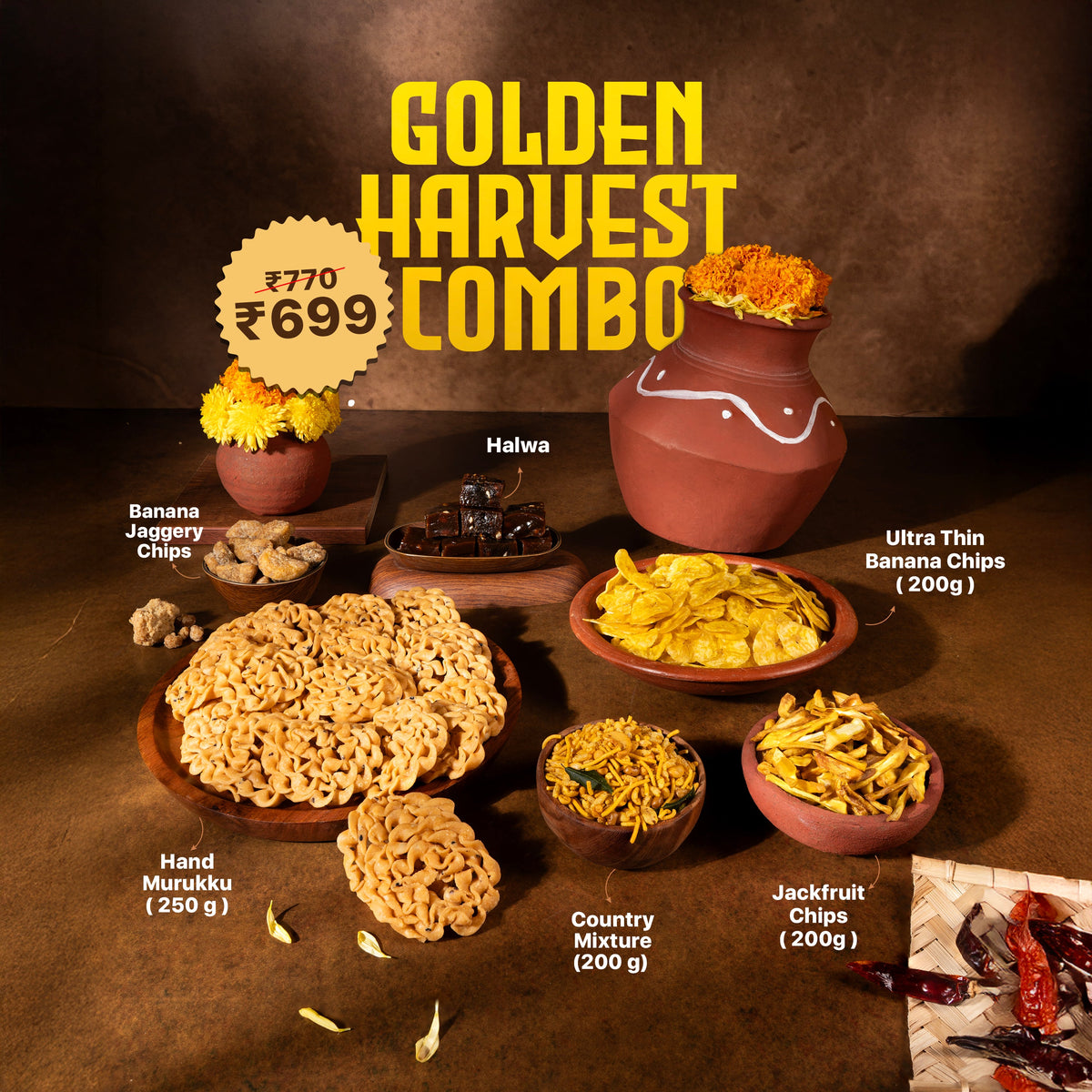
Take selected pack weights seriously when shopping online. Product names or URL slugs can contain older weight references, while the current variant selector presents the actual purchasable options. Compare quantities and prices using the specific selected variant. For gifts, verify the real contents of any combo pack instead of inferring them from a promotion or a past photograph. Each basket is ultimately subject to live availability and destination-specific checkout rules.
Make ingredient information part of the presentation
Traditional snack names describe culinary families, not standardized recipes. Murukku, ribbon pakoda, mixture and sweets can have different grain, nut, seed, dairy or spice declarations. Put packets on a nearby side table or share a clear ingredient list from the official product information. A handwritten card saying 'contains no allergens' would be inappropriate unless supported by the exact manufacturer declaration. If a guest has a severe allergy, separate serving dishes alone do not establish food safety.
Clean serving utensils and separate dishes help keep different products identifiable. Mixture and boondhi may be easier to serve with a spoon. Sweet-coated pieces are best kept apart from salty crisps so their coatings and crumbs do not mingle. Follow current packet storage and handling instructions for anything that remains after serving. Packaged chips, bakery products and halwa need not share one shelf-life rule.
Choose the next useful article rather than repeating product facts
If you're deciding which savouries to buy, read the South Indian savoury guide. For banana-chip texture choices, see the Kerala banana-chip guide. For a present to another household, follow the gift assortment guide. Those pages examine individual food families and purchasing decisions; this one explains how to arrange the foods together.
For the actual shopping step, verify current prices, available pack sizes, ingredients and shipping options on the selected product pages and at checkout. Educational ideas should help you choose confidently without turning a historical price, promotional combo or delivery estimate into a permanent promise.
Frequently asked questions
How many snack types do I need for a small family? Start with two or three contrasting formats and adjust to what the family enjoys. Should every platter include a sweet? No. Sweet items are optional and depend on the meal and preferences. Are banana chips, tapioca chips and jackfruit chips interchangeable? No; they come from different ingredients, and the product-specific recipe may also differ.
Should I open every packet before guests arrive? Opening smaller quantities initially gives you more control over freshness and leftovers. Can I use a ready-made A1 Chips combo? Yes, when its current contents suit your guests; verify the exact listing and labels rather than assuming what a named pack includes.
Three platter plans for three different occasions
A short afternoon visit: One familiar crisp and one shaped savoury can be enough when tea is the centre of the visit. Consider a banana-chip style alongside murukku or thattai, adjusting for what the guests already know and enjoy. Open small amounts initially and refill when necessary. Adding five more packets simply because they are available may create waste without making the visit feel more welcoming.
A weekend family gathering: Use a broader range of textures rather than only more packets. A familiar crisp can anchor the table; a root- or fruit-based crisp can introduce a different base ingredient; a mixture or shaped savoury adds another kind of bite. If your family enjoys sweet food, offer a small portion of a separate sweet. Consider whether another meal or dessert is planned before deciding how much to serve.
A festival or celebratory meal: Let the main menu lead. When payasam or another dessert is already present, a savoury accompaniment may be more relevant than adding multiple sweets. If the snacks are actually being packed as gifts, the purchaser should check the recipient's preferences, ingredients and real pack contents rather than copy a decorative table arrangement into a commercial promise.
How to compare the value of two possible platters
A useful comparison considers what each basket adds to the occasion. Basket A might contain three similar salty potato flavours. Basket B might contain banana wafers, a shaped savoury and a small contrasting item. Basket A may be ideal for dedicated potato-chip fans; Basket B may serve a group that likes exploring. Neither is automatically better, and a higher price or a larger number of packs does not establish more value.
Use real selected weights and currently displayed prices when estimating quantities. Suppose one packet is smaller but contains an unfamiliar product. It may be the wiser trial if the alternative is a large bag that could remain uneaten. Conversely, a larger pack of an established family favourite could be practical when many people will share it. Avoid relying on old article prices or URL slugs because Shopify variants and availability can change.
Make the serving plan easy for the host
Arrange bowls in a way that keeps each product recognizable. Put one serving utensil with mixtures containing many small pieces, and use separate utensils when ingredients or coatings should not mix. If a guest needs to identify a product, the packaging should be available without embarrassment or guesswork. A short handwritten product-name label can make the table more navigable, but the official package remains the source for allergen and nutrition details.
Do not open every package before guests arrive. Plan which two or three dishes will be served initially and which can remain sealed as optional refills. Use clean serving dishes, check date markings and follow the storage directions for each packet. This is particularly important where the table combines fried crisps, bakery snacks and sweets, because those foods should not be treated as one category with identical storage conditions.
How to learn from the first platter
After the gathering, notice which snacks guests chose more than once and which remained untouched. The lesson may be that the household prefers delicate wafers, that a murukku added welcome variety, or that sweets were unnecessary because dessert was already served. Use those observations to improve the next purchase. A small note about texture, flavour and portion size is far more actionable than a generic statement that a snack was popular.
If visitors are unfamiliar with regional names, the South Indian snack-name glossary can explain the food vocabulary before the next gathering. This creates a natural bridge between understanding the foods, choosing them from the live catalog and planning how to serve them together.
More guides in this serving and pairing cluster
- What to Serve with Indian Tea
- Sweet and Savoury Pairings
- How to Host an Indian Snack Tasting
- Serving Packaged Snacks Safely
Explore all Indian Snacks Online articles.
Explore the related A1 Chips range
These are live catalog destinations for comparing the product types discussed above. Check each product's current ingredients, available pack sizes and delivery options before ordering.

Leave a comment
This site is protected by hCaptcha and the hCaptcha Privacy Policy and Terms of Service apply.