
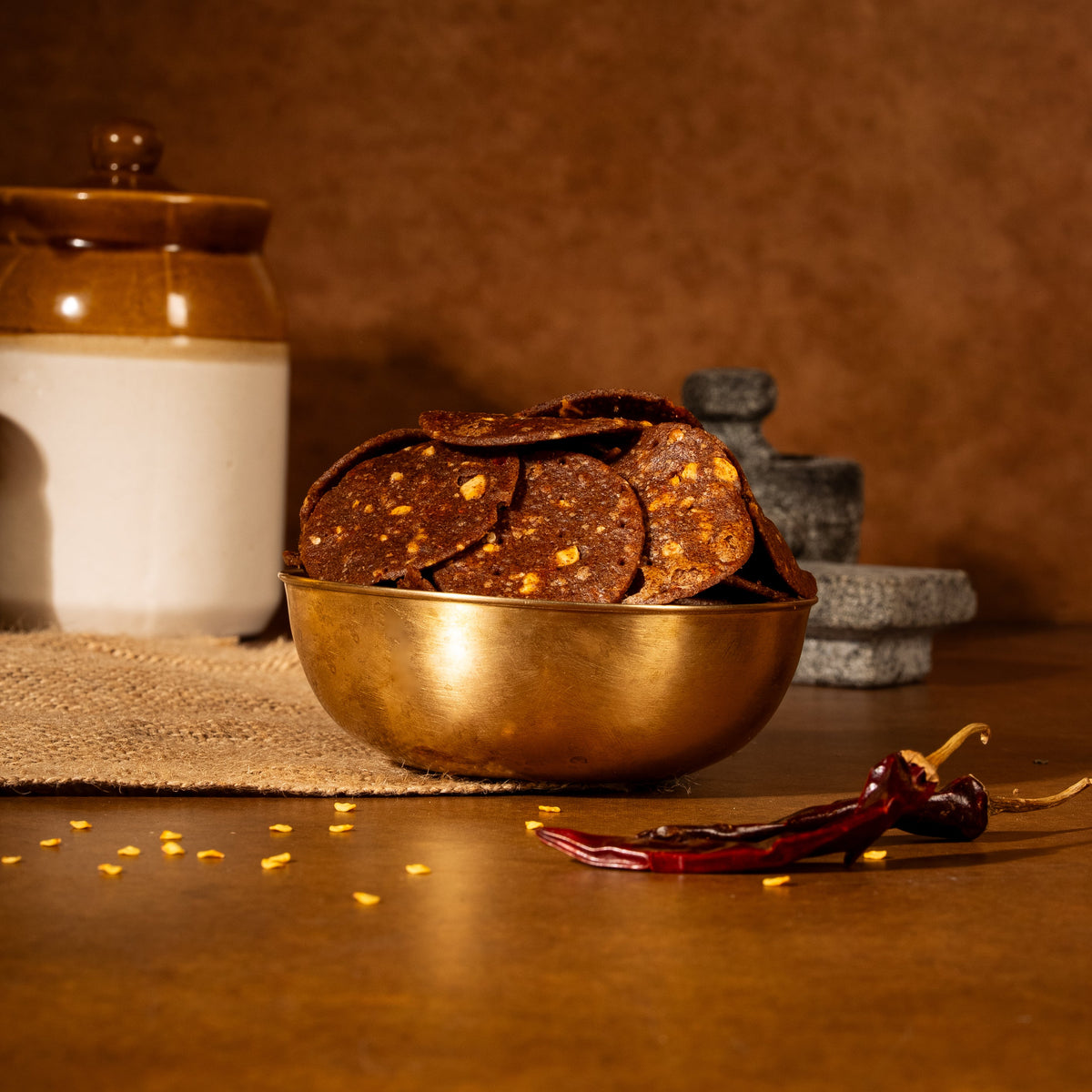
Serve packaged Indian snacks well with separate bowls, readable labels, careful handling and after-opening storage guidance. This practical A1 Chips guide addresses one specific serving question rather than duplicating food-family buying advice.
Serving is part of the experience
A good snack selection can become confusing if all the products are poured into one unlabelled bowl. Banana chips, murukku, mixture, sweet-coated crisps and confectionery can look or behave differently; keeping them identifiable lets guests choose what they enjoy. A useful serving plan is not about elaborate decoration. It is about accessible dishes, clear product identity and reasonable portions.
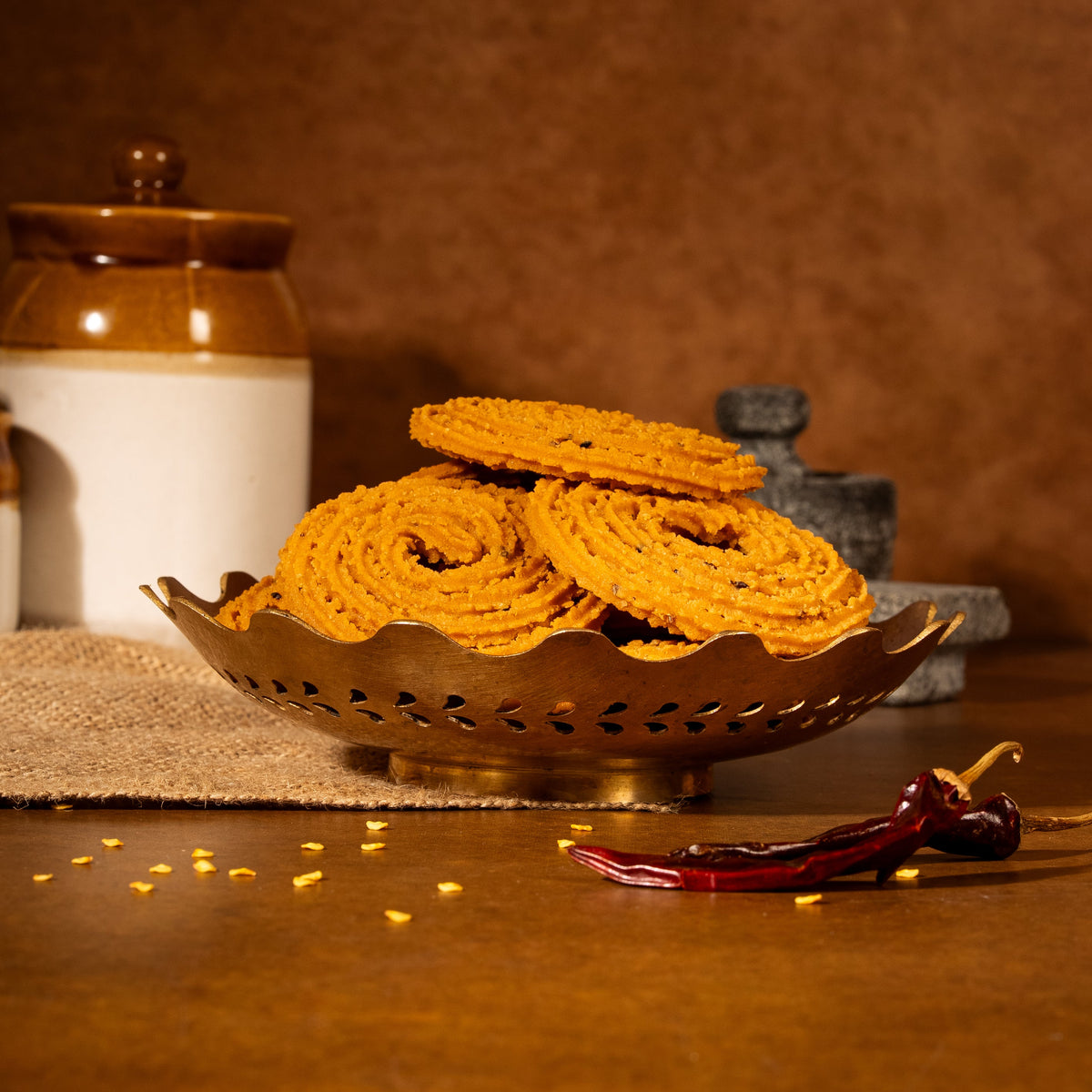
Begin with a clean tray and a few appropriately sized dishes. A shallow bowl may work for wafers or larger shaped savouries, while small pieces such as mixture or boondhi can be easier to serve with a spoon. Avoid piling several heavily seasoned products together unless you are deliberately preparing a mixture that is suitable for everyone eating it.
Labels matter more than decorative place cards
A small label with a product name is helpful, but it is not a substitute for the actual manufacturer's ingredient and allergen information. Keep the original packets nearby so guests can read the declarations themselves. This matters especially for sweets involving nuts or seeds, and for savouries with grains, spices or other ingredients not obvious from the product title.
If someone has a serious allergy or a strict diet, a separate bowl alone does not prove safety. Review their needs before shopping and use verified manufacturer information. Avoid claiming an entire platter is gluten-free, vegan, low-fat or free from allergens based only on the broad food categories represented.
Open a little and replenish
Crispy snacks can lose the texture people expect when left exposed to moisture and air. A practical method is to fill bowls with smaller portions first and keep unopened packets until needed. This also helps avoid opening too much of an unfamiliar product. Serving food that people will actually eat is more useful than creating an oversized spread for a photograph.
Different products may have different after-opening instructions. Fried chips, bakery snacks and halwa cannot automatically be treated as identical in shelf life or storage temperature. Follow each package's printed date and handling guidance. The purpose of this blog is to help you organize food, not to replace manufacturer instructions.
Separate sweet and strongly seasoned formats
Jaggery-coated chips and traditional sweets may transfer coatings or crumbs to savoury foods if mixed together. Strongly seasoned products can also alter the flavour of a simpler crisp. Put distinct formats in their own dishes. For a tasting, serving a plainer crisp first can help guests identify its own flavour before moving to something spicier.
For a family gathering, think about the other foods on the menu. If tea or a meal is planned, modest snack quantities may be enough. Avoid assuming that more open packets create a better experience; thoughtful contrasts and easy serving often matter more.
Check delivery condition and the next step
Before opening a newly delivered order, inspect the packaging, seals and date information. If a packet is damaged or appears compromised, keep the original packaging and contact the merchant under its current policy. Do not rely on a general blog paragraph as a substitute for the actual customer-support or refund terms.
To choose the snacks themselves, use the snack platter guide. For specific after-opening considerations, read the packaged snack storage guide. Both link to the existing food-family guides, so readers can move naturally from serving to product selection.
Serving questions people commonly ask
Should snacks always be served straight from their packets? Not necessarily; clean dishes can make sharing easier, provided product information stays accessible. Should different flavours be mixed? Usually separate serving makes ingredient and flavour distinctions clearer. Is there a universal number of grams per guest? No; event length, other food and actual preferences all matter.
What happens to remaining food? Use the packet-specific storage instructions, avoid keeping exposed snacks indefinitely, and follow date guidance. If the product's handling details are unclear, seek clarification rather than accepting a made-up shelf-life guarantee.
A simple table layout that keeps ingredients understandable
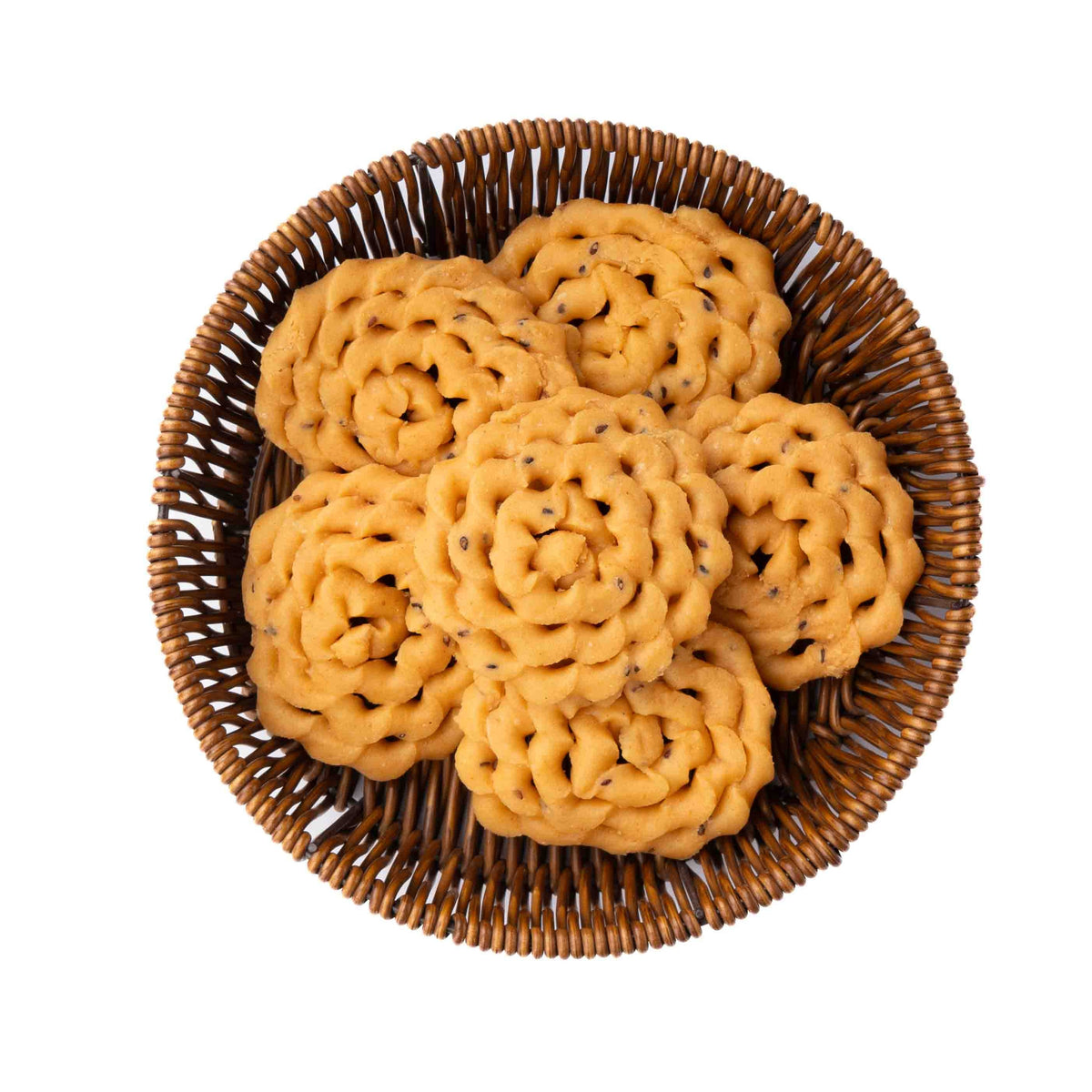
Picture a small serving table with three clearly separated areas: familiar crisps, shaped savouries and sweets. Put each snack into an appropriate clean bowl, position the original packet or a product-name card nearby and avoid combining foods with distinct coatings. A guest should be able to tell whether an unfamiliar bite came from murukku, mixture or a banana-chip variety without asking someone to remember the contents of every unlabelled dish. This layout is especially useful when a gathering includes people encountering South Indian snacks for the first time.
Serving utensils should match the food. Small mixtures and boondhi are often easier to share with a spoon than by reaching into a common bowl. A brittle sweet can be portioned separately from salty crisps, while a delicate wafer should be handled without unnecessary crushing. These are practical presentation choices, not a promise that every snack's texture or breakage will be the same. Keep the arrangement flexible: if a group enjoys one item and ignores another, refill the preferred dish instead of opening extra packets for appearance alone.
Before serving, inspect the individual packages and read their storage directions. A snack that has been opened should be managed according to its own label, while unopened packets need not be placed into bowls until required. If an item arrives with a visibly compromised seal or unexpected condition, preserve the packaging and contact the merchant under the current published policy. Do not use a general entertaining article to promise a particular refund or to invent an expiry period. The useful outcome is a clear, hygienic setup that makes guests more comfortable choosing and enjoying their snacks.
Related snack pairing and serving guides
- Indian Snack Platter Guide
- What to Serve with Indian Tea: Banana Chips, Murukku and Sweets
- Sweet and Savoury Snack Pairings for Family Sharing
- How to Host an Indian Snack Tasting at Home
For current products, weights, ingredients and delivery, consult the relevant A1 Chips product page and checkout. Explore Indian Snacks Online.
Explore the related A1 Chips range
These are live catalog destinations for comparing the product types discussed above. Check each product's current ingredients, available pack sizes and delivery options before ordering.

Leave a comment
This site is protected by hCaptcha and the hCaptcha Privacy Policy and Terms of Service apply.