
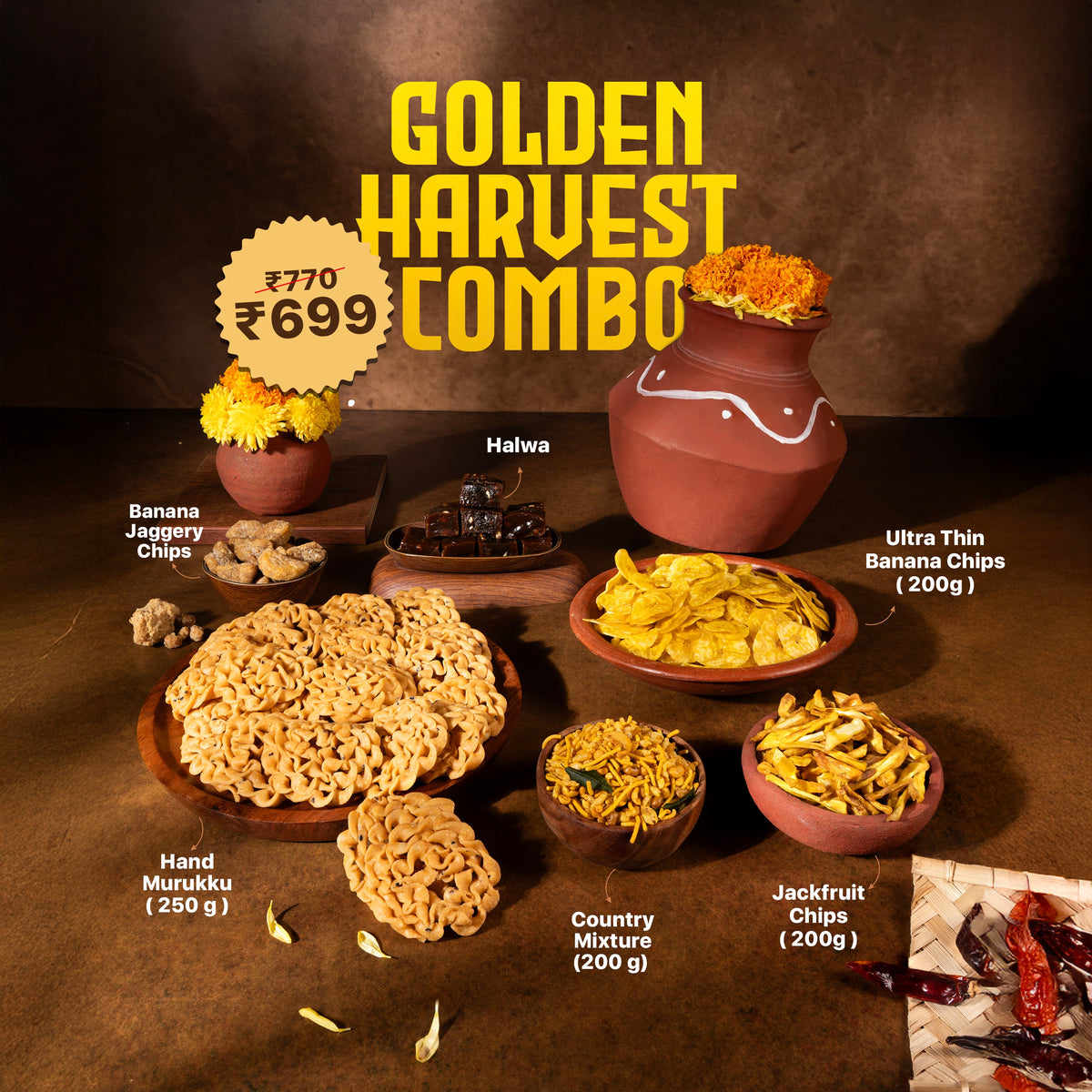
Discover Indian tea-time snack pairings with banana wafers, murukku and sweets, plus practical tips for group serving and label awareness. This practical A1 Chips guide addresses one specific serving question rather than duplicating food-family buying advice.
Start with the tea occasion
A short afternoon break needs different food from a long family gathering. For a quick cup, one familiar savoury may be enough. If tea and conversation are the main event, two contrasting textures can make the experience more interesting. The choice should follow people's preferences, not a rigid rule that a particular Indian snack must accompany every tea preparation. The variety of chai, milk tea and South Indian filter coffee also means there is no universal flavour pairing.
Begin with someone you already know your guests enjoy, then consider one contrasting snack. For a group of unfamiliar guests, a plainly seasoned crisp and a shaped savoury may offer an approachable starting point. Keep sweets optional; a highly sweetened beverage and a sweet snack may appeal to some people but not others.
Banana chips for a familiar crunch
Thin banana wafers offer one kind of delicate crisp, while a thicker banana chip provides another bite. This difference is useful when choosing for someone who already enjoys Kerala-style chips. The exact seasoning and frying-oil statements belong to the specific packet; don't assume every traditional style uses the same oil or that thinness determines nutritional values.
If you are serving two banana-chip varieties, arrange them separately and let guests compare the cut before adding more strongly seasoned foods. A small tasting can reveal whether the group values delicate wafers or a firmer chip. You can then make a more precise repeat order rather than assuming that one style suits everyone.
Murukku, thattai and ribbon-style savouries
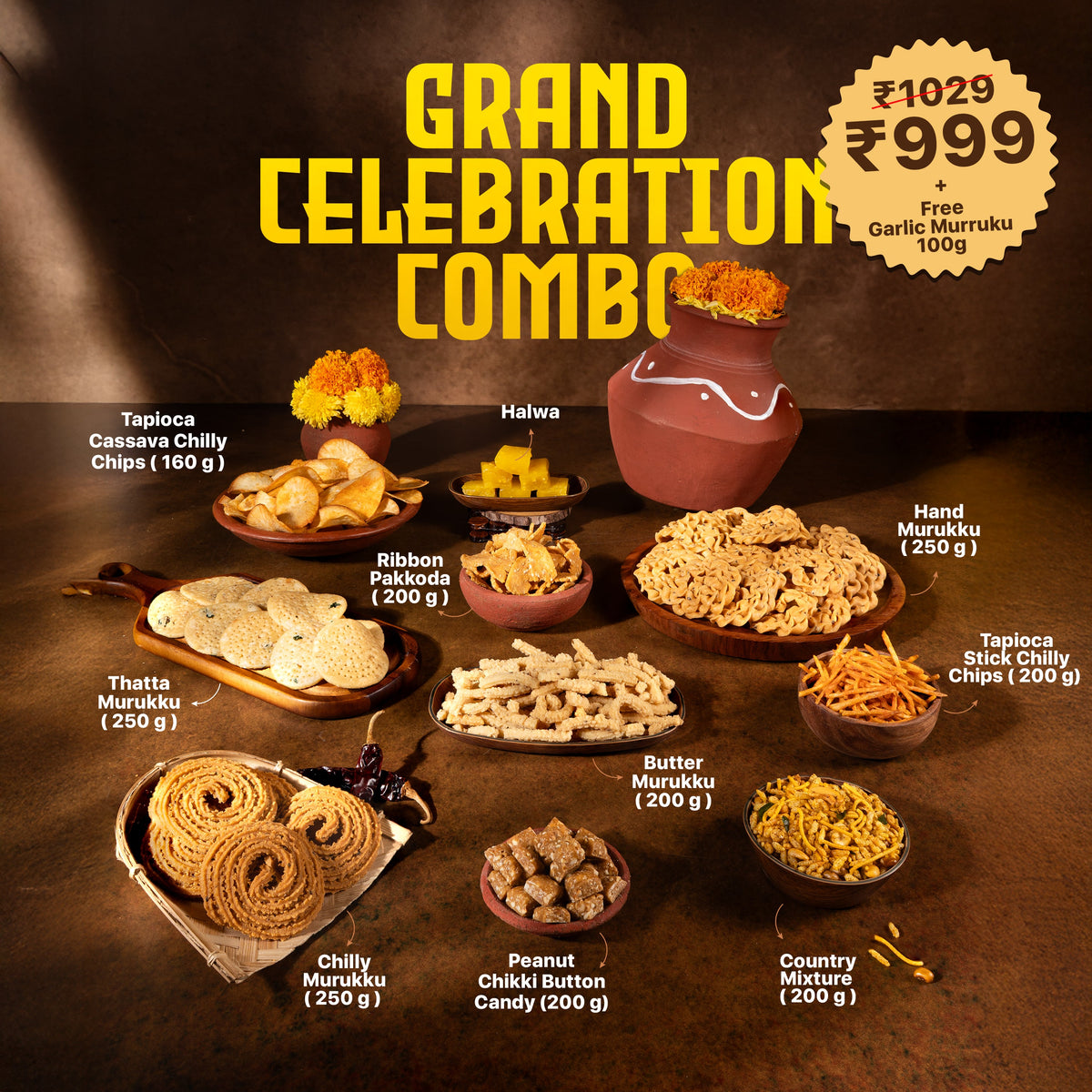
Shaped savouries offer a welcome contrast to sliced crisps. Murukku is commonly associated with twisted or coiled pieces, while thattai is generally flatter. Ribbon pakoda has another distinctive format. These names help customers imagine the eating experience, but they do not prove the exact ingredients, oil or spice intensity of the branded products.
For a tea tray, try pairing one shaped savoury with one chip family rather than buying many near-identical flavours. Keep product labels accessible because recipes can involve different grains, seasonings and potential allergens. A guest's dietary needs should guide the selection long before the serving bowls are filled.
Where traditional sweets fit
Chikki can provide a brittle sweet contrast, halwa another confectionery texture, and Ooty Varkey a bakery-style alternative. They are not interchangeable, and their ingredient declarations may differ. Choose a sweet only if it suits the people and the rest of the menu. If there is already dessert after a meal, another sweet plate may be unnecessary.
Serving modest portions makes it easy for guests to try a savoury and a sweet without feeling obliged to eat a full serving of each. Keep sweet-coated snacks and strongly seasoned savouries apart so their coatings and flavours remain recognizable. Original packaging is particularly useful where nuts, sesame, dairy or other ingredients matter.
Buy for the group rather than the photograph
A colourful tea-time platter can look appealing in an image while being poorly matched to the people who will actually eat it. Ask whether guests enjoy spicy food, whether anyone has allergies and whether most want sweet or savoury snacks. Decide how many products to open based on the other food being served. Start small and replenish the popular bowls as needed.
The tea-time savoury selection guide helps choose product types, while the platter guide covers serving and quantities. The current Shopify product listings and checkout determine selected variants, prices and shipping charges.
Frequently asked tea-time questions
Are murukku and banana chips both suitable for tea-time? They can be enjoyable options, depending on the guests and the actual product formulations. Should tea snacks always be salted? No; a small sweet can work where preferred. Can a named combo replace separately selected packs? Yes, if its current listed contents meet the group's preferences and dietary needs.
Do I need a strict serving sequence? No. For a comparison, a less strongly seasoned snack before a bolder one can help guests notice flavour differences, but there is no mandatory order. Keep packets labelled and follow each product's storage instructions after opening.
Three simple tea menus and what each accomplishes
The everyday cup: For one or two people, a familiar banana-chip style may be enough. If the tea itself is strongly flavoured, a straightforward savoury can make the comparison clearer for those who prefer contrast. This is a choice based on taste, not a claim that one snack chemically complements tea better than another. Select the actual packet the household already enjoys, and avoid opening an unfamiliar large bag merely because the photograph looks attractive. For a new product, a smaller available pack can be a useful introduction.
A visit from friends: Offer two different textures, perhaps a crisp wafer and a shaped savoury. This gives people a choice between slice-based and twisted or ribbon-like formats without requiring a crowded buffet. If a guest prefers sweets, include a modest separately served sweet rather than changing the entire platter. Keep official packets accessible for ingredient checks and refill dishes according to actual interest. This also helps the host see which format is worth buying for another visit.
A longer evening conversation: A small selection of savouries with a different sweet or bakery-style option can create distinct stages. Consider whether dinner or another dessert will follow, because that changes how much food guests are likely to want. Compare current pack weights and selected variants when shopping, and let the live checkout determine the final available shipping methods. After serving, store unopened or remaining products according to each individual manufacturer's guidance. The goal is to make a pleasant tea occasion easy to repeat, not to imply any fixed culinary pairing law.
Related snack pairing and serving guides
- Indian Snack Platter Guide
- Sweet and Savoury Snack Pairings for Family Sharing
- How to Host an Indian Snack Tasting at Home
- Serving Packaged Indian Snacks: Bowls, Labels and Freshness
For current products, weights, ingredients and delivery, consult the relevant A1 Chips product page and checkout. Explore Indian Snacks Online.
Explore the related A1 Chips range
These are live catalog destinations for comparing the product types discussed above. Check each product's current ingredients, available pack sizes and delivery options before ordering.


Leave a comment
This site is protected by hCaptcha and the hCaptcha Privacy Policy and Terms of Service apply.