
Understand the differences between halwa, Mysore Pak, chikki and payasam as traditional Indian food categories before choosing sweets. This A1 Chips guide explains the regional vocabulary without treating a cultural name as a guarantee about the commercial packet.
Traditional sweet names refer to different food formats
A shopper may browse Indian sweets and see halwa, Mysore Pak, chikki and payasam grouped together. They all belong broadly to sweet food traditions, but that category is too wide to help someone choose. The names point to different preparations and eating experiences. A halwa can be a dense or soft confection, chikki is typically a brittle sweet, Mysore Pak is another South Indian confectionery tradition, and payasam is commonly served as a spoonable dessert.
Understanding those formats prevents the mistake of buying a brittle snack when a recipient was expecting a softer sweet. It also helps explain why a packaged sweet and a freshly served dessert should not be treated as having identical storage or delivery requirements. The actual product label always determines its ingredients and handling.
Halwa is not one fixed recipe
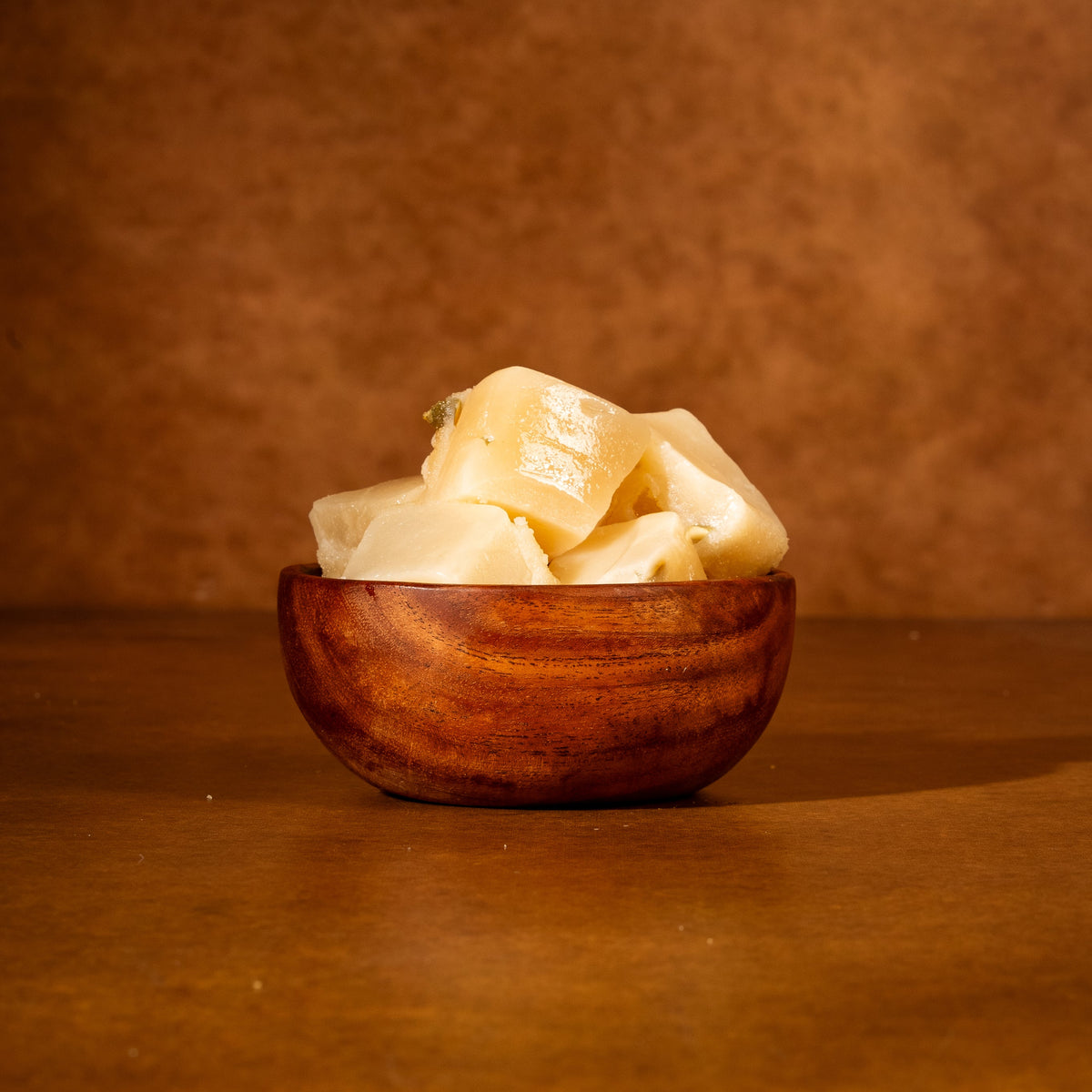
Halwa is a broad sweet family, and A1 Chips has listed Kerala Black Jaggery Halwa and Traditional Wheat Halwa as distinct products. The names suggest different ingredient directions, but a detailed recipe must be confirmed from each product. A description of one halwa cannot be copied to every other type merely because the general sweet name is shared.
For gifting, ask whether the recipient likes a rich confection and which ingredients matter to them. Some traditional sweets can involve grains, dairy or nuts. A brand article should not invent suitability for medical diets, vegan diets or allergies based on the word halwa alone.
Mysore Pak is its own tradition
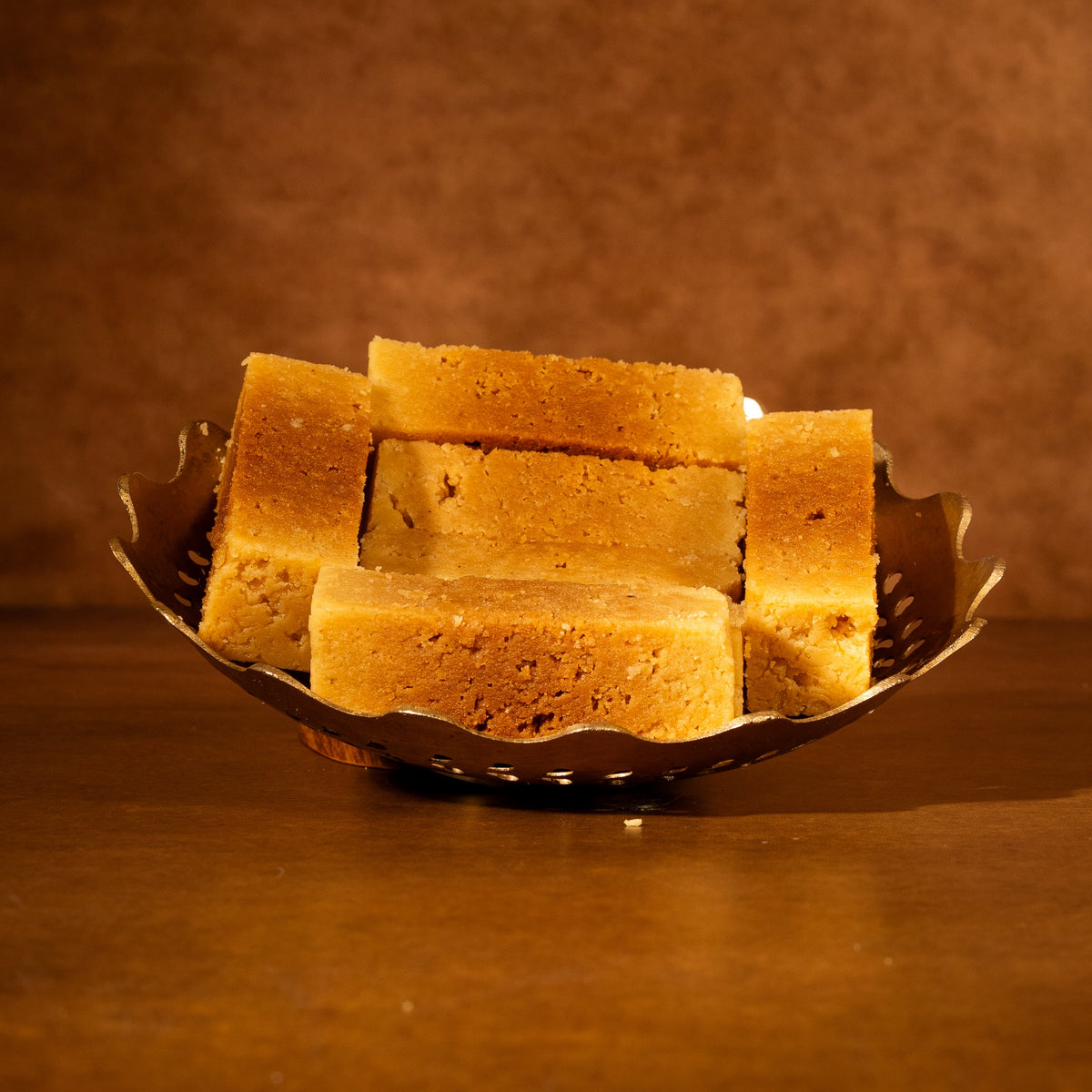
Mysore Pak is a recognizable South Indian sweet associated with a different texture and culinary heritage from halwa or chikki. A1 Chips has listed Petti Kadai Mysurpa, whose current commercial formulation should be checked from the actual label. General recipes may mention common ingredients, but they are not proof that a particular packet contains a specific quantity of them.
If choosing between Mysore Pak and halwa, think about the eating format the recipient enjoys. A small side-by-side tasting can be a helpful introduction, with each sweet served separately and labelled. The aim is to explore preference, not to rank one tradition as more authentic or nutritious than another.
Chikki highlights nuts, seeds and texture
Chikki is broadly associated with brittle sweets, and familiar varieties may feature peanuts or sesame. The named ingredient can be especially important for taste and allergens, but the complete ingredient declaration matters. A peanut chikki should not be substituted for sesame chikki where dietary restrictions apply; neither label is a blanket assurance about other ingredients or cross-contact.
For someone who enjoys a firmer sweet, chikki may be a useful alternative to a softer confection. Compare actual pack formats and ingredients rather than assuming that any two chikki listings share the same recipe or serving size.
Payasam is a different kind of dessert
Payasam, including Palada Pradhaman traditions, is often discussed as a spoonable dessert within Kerala food culture. It is not identical to a dry packaged chikki or banana crisp. If an A1 Chips payasam product is seasonal, unavailable or not currently purchasable, an educational article should still explain the dessert without promising immediate ordering. Food culture and live catalog availability are separate.
Because a prepared dessert may have different handling needs from dry snacks, the current product or recipe instructions should govern storage. Avoid inventing refrigeration or shelf-life directions for a particular commercial item.
How to choose sweets for a real recipient
Start with the format: soft or dense confection, brittle sweet, bakery-style snack or spoonable dessert. Then ask about flavour preferences, ingredients and the occasion. For an online purchase, verify the current selected option and any relevant handling or shipping requirements. For gifts, retain original packaging and do not describe mixed sweets as suitable for everyone without evidence.
The traditional Indian sweets buying guide explains specific shopping comparisons. The payasam and festival-food guide explores occasions. The regional glossary connects the vocabulary across food families.
Four customer questions that lead to different sweets
Imagine a shopper asking for 'a soft traditional Indian sweet'. That is a different request from someone seeking 'a crunchy peanut sweet' or 'a dessert served in a bowl'. Halwa, chikki and payasam should not be treated as interchangeable answers. A person who enjoys brittle sweets may find peanut chikki or a sesame-based variety worth exploring, subject to the actual product and ingredients. A person seeking a spoonable Kerala dessert may be asking about payasam, which does not necessarily have a presently purchasable packaged listing.
Mysore Pak introduces another confectionery tradition, and names such as Mysurpa may appear in current product records. The spelling or regional association helps guide discovery, but only the labelled product can establish specific ingredients, handling requirements and current availability. Avoid constructing a universal recipe from a broad cultural explanation. This caution is especially important when a customer is choosing sweets for someone with allergies or avoiding specific grains, nuts or dairy ingredients.
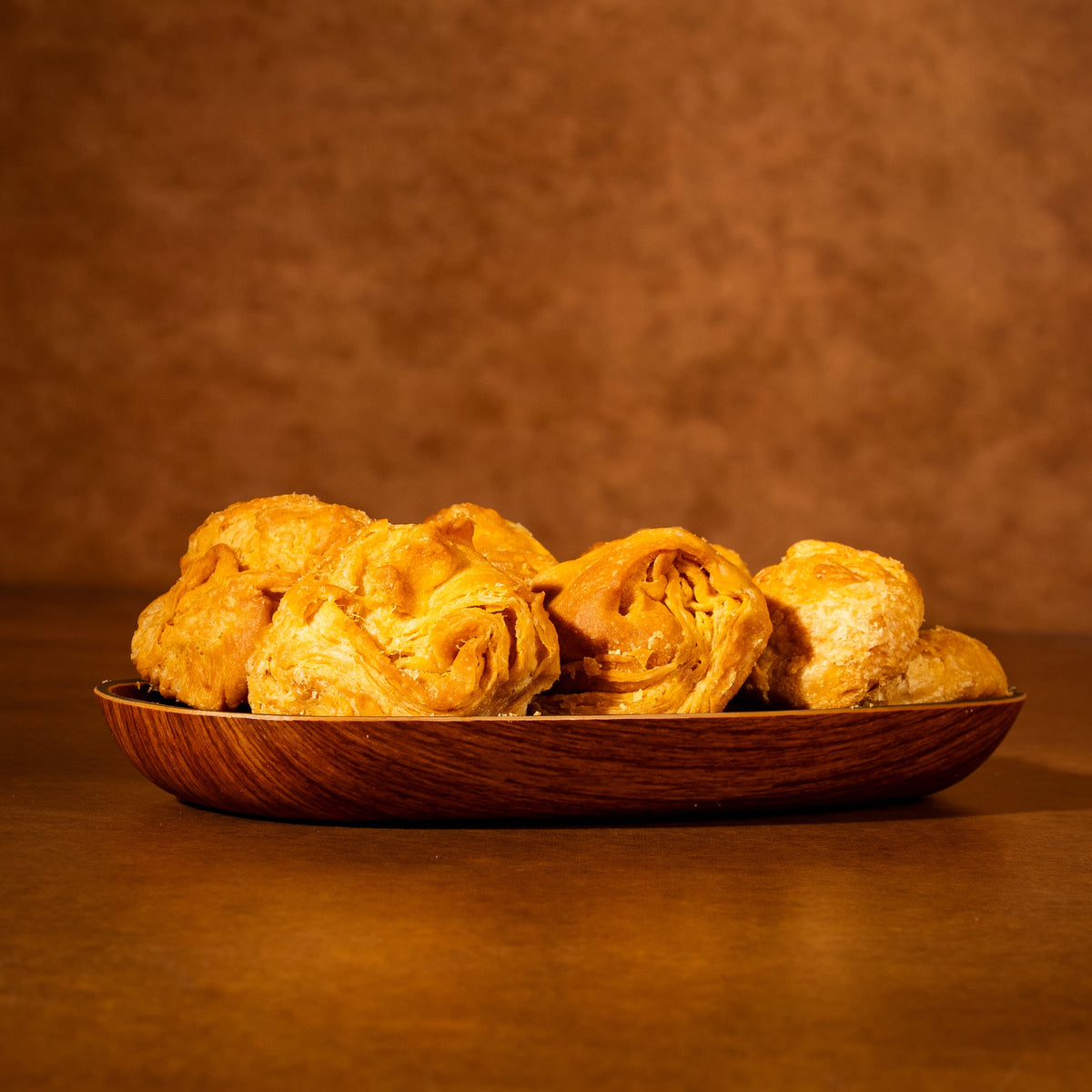
For a small household tasting, choose two clearly contrasting formats rather than several very similar sweets. A halwa and a brittle chikki, for example, allow a comparison of textures, while a bakery-style Varkey belongs in a separate eating category. Serve modest portions with original packaging nearby, check dates and storage directions, and ask guests which format they actually prefer. Once the preference is clear, the customer can return to the live product catalog for the correct selected weight, price and delivery options rather than treating an educational story as a stock promise.
Explore related regional food-name guides
- South Indian Snack Names Glossary
- Kerala Snack Words: Kappa, Nendran, Chakka and Sharkara
- Tamil Snack Words: Murukku, Thattai, Pakoda and Boondhi
- Ooty Varkey and the Nilgiris: Bakery Names in Context
Explore the A1 Chips Indian Snacks Online blog. For actual prices, ingredients, options and delivery, consult current product pages and checkout.
Explore the related A1 Chips range
These are live catalog destinations for comparing the product types discussed above. Check each product's current ingredients, available pack sizes and delivery options before ordering.

Leave a comment
This site is protected by hCaptcha and the hCaptcha Privacy Policy and Terms of Service apply.