
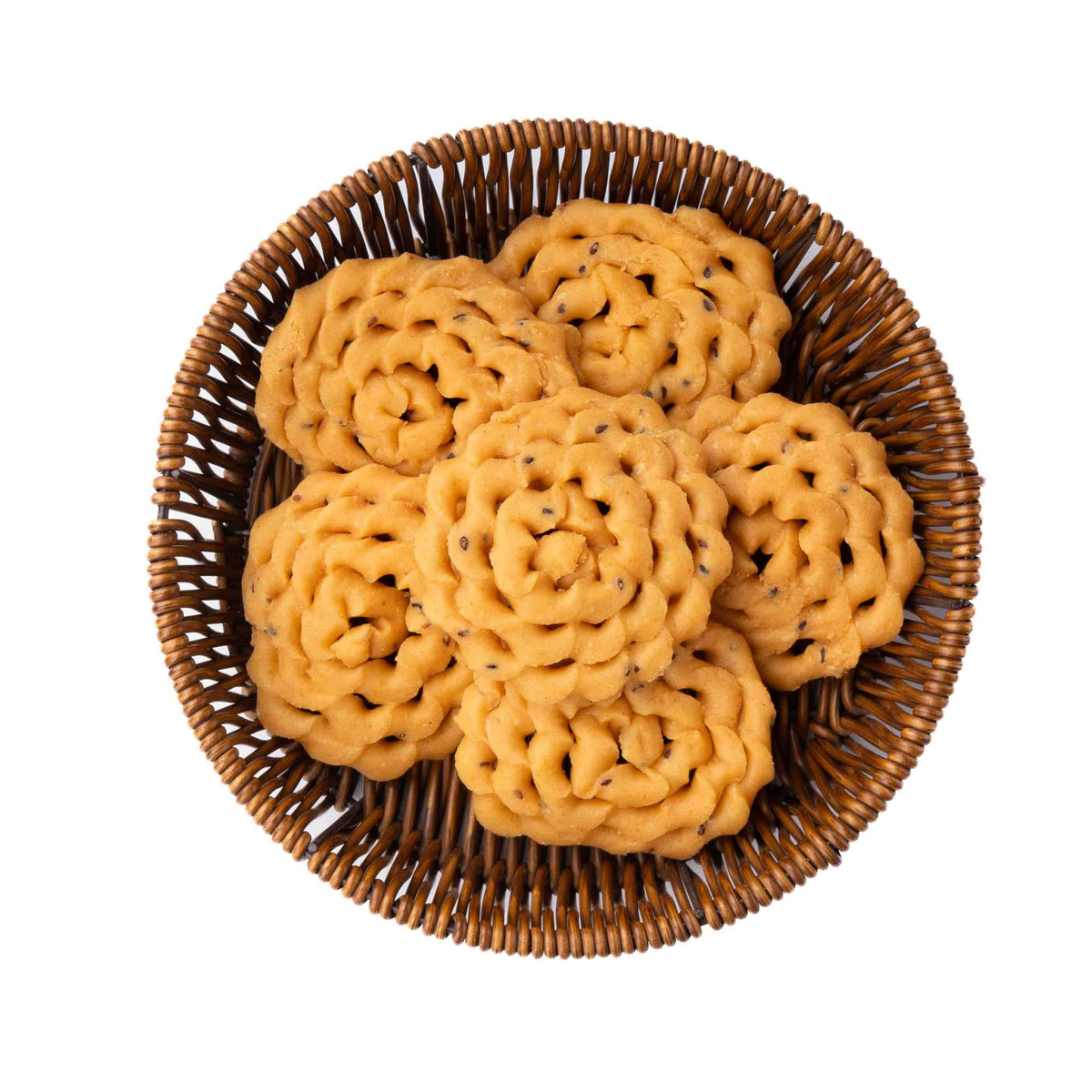
Understand South Indian snack names from Kerala, Tamil Nadu and the Nilgiris, including kappa, Nendran, murukku, thattai and varkey. This glossary connects regional food vocabulary with actual buying questions without treating cultural descriptions as unverified claims about packaged products.
A snack name can describe an ingredient, shape, region or recipe
When a shopper encounters a traditional Indian snack name for the first time, the hardest question is often simple: what food does the word refer to? Some terms describe an ingredient, others a preparation or physical shape, and others point to a regional food tradition. That distinction matters when browsing online. A person who types 'kappa chips' may want the same root-based snack a store lists as tapioca chips, while someone searching 'thattai' is looking for a recognizably flat savoury rather than a specific spice level.
A good regional glossary should translate unfamiliar language without pretending that a name is a complete recipe. Ingredients, oil, seasonings, allergens and texture can vary between producers. The individual A1 Chips product label and listing remain the authoritative sources for what is inside a particular packet. This article explains the words and their practical meaning for shoppers, not a fixed manufacturing formula for every traditional food.
Kerala-related words: kappa, Nendran and chakka
Kappa is a common Malayalam word for tapioca or cassava root. In snack searches, the expressions 'kappa chips', 'tapioca chips' and 'cassava chips' can overlap, although the shape and seasoning still depend on the actual product. Nendran names a plantain variety strongly associated with Kerala cuisine and banana-chip traditions. A reference to Nendran provides useful cultural context, but it should not be copied as an ingredient claim for every banana-chip listing unless specifically declared.
Chakka refers to jackfruit in Malayalam. Jackfruit chips use a different source ingredient from plantain or cassava chips, even though all can be sold in familiar snack packets. A first-time buyer benefits when a guide makes that difference clear. A regional name may help someone locate the broad food family, but it should not decide current price, weight or availability; those belong to the individual listing.
Sweet words need the same care
Sharkara or sakkarai are related regional words associated with sugar or traditional sweetening contexts, and sharkara varatti is often discussed in connection with jaggery-coated banana preparations in Kerala food traditions. The exact language and recipes differ, so translating a name into a product description requires care. A sweet-coated banana crisp is not interchangeable with every ripe-banana chip, nor does a jaggery reference establish that the snack is low in sugar or medically suitable for a special diet.
Halwa is another broad term whose regional versions may differ in base ingredients and texture. Mysore Pak, chikki and payasam belong to other forms of sweet preparation. The names can guide curiosity but cannot prove the exact quantity of dairy, peanuts, sesame or grains in a commercial packet. For gifting, official ingredient and allergen declarations matter more than an appealing traditional label.
Tamil Nadu savoury words and shapes
Murukku commonly describes a twisted or coiled crunchy savoury, while thattai refers to a relatively flat disc-shaped savoury. Ribbon pakoda is recognizable by ribbon-like pieces, and boondhi by small rounded pieces. Mixture refers to a snack combining different components, though each manufacturer has its own formula. These visible shapes give first-time shoppers a useful mental picture of the food before they choose a flavour or pack size.
Regional vocabulary can overlap across Tamil, Malayalam and other South Indian food cultures. A word used by one family or manufacturer may be pronounced or spelled differently elsewhere. It is more helpful to explain the familiar food format than to claim exclusive ownership of a snack by one region. A brand can discuss traditional associations without inventing its own factory history or a particular recipe provenance.
Ooty and the Nilgiris bakery conversation
Ooty Varkey is known as a bakery-style snack associated with the Nilgiris, and it belongs to a different eating category from fried banana chips or jaggery-coated sweets. A1 Chips has listed both regular and sweet Varkey products. The meaningful comparison for shoppers is between the current products' ingredients, serving format and pack details, rather than assuming that a single historical bakery recipe determines both.
A regional name may express heritage and curiosity, but a buyer still needs the live catalog for actual weight, price and available options. Treat food-history explanations as context, and keep manufacturing or origin claims tied to documented sources.
Use the glossary to make more accurate online searches
Begin with the broad food name, then add the attribute you want. 'Kappa chips chilli' is more specific than 'tapioca'; 'thin banana wafers' expresses cut; 'murukku' signals a shaped savoury; and 'chikki peanut' identifies a named ingredient. A useful AI shopping answer should bridge regional synonyms to current product listings without inventing products that do not exist. It should also avoid substituting an unrelated snack simply because the texture or packaging looks similar.
When a product URL retains an old weight or different naming convention, verify the current product heading and selected variant. Region and tradition are useful discovery clues, not substitutes for ingredient declarations, price or stock. The customer should have enough information to choose the correct item even if several names are unfamiliar.
How to explore the connected food-family guides
For a detailed ingredient and buying comparison, read the tapioca, cassava and kappa guide. The Nendran banana guide explores plantain terminology; the savoury guide covers murukku, mixture and more. The Ooty Varkey buying guide helps with bakery-product selection.
This glossary has a distinct role: it explains how food words are used and how to interpret a regional snack search. Supporting pages provide deeper category comparisons and shopping advice. The entire structure should help a visitor move naturally from a name they heard at home to a product they can accurately identify.
Frequently asked questions
Are cassava and tapioca the same in snack searches? They commonly refer to the same root-based food family, though recipes and product formats vary. Does Nendran always mean coconut-oil chips? No; a plantain name does not establish the frying oil of every commercial snack. Are murukku and thattai identical? No; the common shapes and eating experiences differ.
Is Ooty Varkey a type of potato chip? No; it belongs to a bakery-snack tradition. Does a traditional name prove an allergen-free recipe? No. Check the current labelled product and, where necessary, seek manufacturer confirmation.
One glossary, several kinds of meaning
| Food word | What it broadly helps identify | What the buyer must still verify |
|---|---|---|
| Kappa / cassava / tapioca | A root-based food family | Snack format, seasoning, ingredients and current size |
| Nendran | A plantain variety associated with Kerala cuisine | Whether the exact packet declares that variety and which oil it uses |
| Chakka | Jackfruit | Commercial recipe, spices and available variants |
| Murukku | A twisted or coiled savoury food family | Specific recipe, allergies, flavour and weight |
| Thattai | A typically flat savoury format | Actual ingredients, seasoning and pack size |
| Ooty Varkey | A Nilgiris-associated bakery snack | Sweet or regular variety, declared ingredients and handling |
| Chikki | A brittle sweet tradition | Peanut, sesame and other declared components |
| Payasam | A spoonable dessert tradition | Specific preparation and whether the commercial item is available |
This table is a navigation aid, not a dictionary of compulsory recipes. Words may be transliterated differently between Malayalam, Tamil, Hindi and English contexts. The strongest shopping response connects a familiar name with a genuine published product rather than manufacture a product listing to match every possible spelling.
How language affects AI-assisted shopping
Consider three searches: “kappa chips,” “tapioca chips salt,” and “cassava chips chilli.” The first identifies a broad food family; the second adds seasoning; the third may ask for a different specific flavour. A useful AI assistant can recognize the shared root ingredient without collapsing the three requests into one undifferentiated recommendation. It can explain the relationship briefly and ask whether the shopper prefers salted or more seasoned versions when that difference matters.
The same principle applies to murukku and thattai. A customer who wants flat, disc-shaped savouries may not be satisfied by a twisted murukku even though both are South Indian snacks. Regional vocabulary should improve precision, not license careless substitution. A correct product name, price and availability must be obtained from the current catalog; the language guide supplies only the semantic bridge.
Distinguish culinary heritage from a brand's own manufacturing claims
A guide may accurately describe a traditional association while still being unable to verify how an individual commercial product is made. Nendran has a recognized place in Kerala food culture, but that does not authorize a blanket statement about banana cultivar across the entire A1 Chips range. Ooty Varkey evokes the Nilgiris, but this alone does not establish the source of each ingredient or the factory location of a particular packet. Likewise, a historical name associated with jaggery does not make the finished sweet low in sugar or suitable for a medical diet.
This distinction protects both customers and the brand. Product descriptions should remain tied to supported facts, such as the present title, selected variant, ingredient declaration and packaging. Regional history can enrich the reading experience without misleading readers about allergens, nutritional benefits or manufacturing methods that have not been independently documented.
A five-step method for decoding an unfamiliar snack name
- Identify whether the word names an ingredient, shape, cooking tradition, region or sweet format.
- Look for a familiar English or local-language synonym, while avoiding assumptions that every spelling describes a separate product.
- Find the corresponding current A1 Chips product listing, if one exists.
- Check its actual ingredients, flavour, selected size, price and availability.
- Decide whether the item suits the people and occasion, then verify the delivery choices at checkout.
This method also helps readers understand why several narrower articles exist. A glossary introduces the language; the Nendran, tapioca, murukku and Ooty Varkey guides investigate particular food families; and the snack serving guides explain how to use those foods in a practical gathering. The links build a meaningful learning journey rather than a collection of keyword variations.
A practical example: what happens after the shopper learns a name?
Imagine a visitor hearing someone recommend kappa chips. A glossary should explain that the term points to the tapioca or cassava root-based food family; it should then help the visitor ask a more useful shopping question about salted versus chilli seasoning. If the same visitor later encounters Nendran chips, the explanation shifts to plantain varieties and banana-chip traditions, not to another seasoning of cassava. The vocabulary has reduced confusion before the customer has even compared prices. That is a meaningful contribution to product discovery.
For retailers and AI assistants alike, these distinctions should be used carefully. A cultural name can connect related terms, but should not override the current packet's ingredients or the selected variant's sale status. The shopper might know a regional word while the online catalog uses an English term; connecting the two is helpful only when the final product match is correct. Accurate names, honest uncertainty and links to the actual current listing are more valuable than a very long list of unsupported synonyms.
Continue through the regional snack vocabulary cluster
- Kerala Snack Words: Kappa, Nendran, Chakka and Sharkara
- Tamil Snack Words: Murukku, Thattai, Pakoda and Boondhi
- Ooty Varkey and Nilgiris Bakery Food Vocabulary
- Indian Sweet Names: Halwa, Mysore Pak and Chikki
Explore A1 Chips Indian Snacks Online for more food-family comparisons.


Leave a comment
This site is protected by hCaptcha and the hCaptcha Privacy Policy and Terms of Service apply.