
A corporate gifting calendar helps a business plan purchases around real occasions instead of treating every requirement as a last-minute festival order. Snack gifts can be considered for employee milestones, client appreciation, company events and seasonal celebrations. The useful starting point is the organisation's purpose and approval process, not an assumption that a particular product will be available all year.
This guide explains how to build a practical annual calendar for snack gifting. It does not announce an A1 Chips programme, subscription or standing supply arrangement. Each requirement should be checked against the current catalogue and confirmed through the appropriate business enquiry route.
List occasions before assigning products
Start with the organisation's known events. These might include an annual gathering, a customer conference, onboarding batches, service anniversaries or a planned festive greeting. Separate confirmed events from possible ones. A calendar that treats every idea as a committed purchase can create a misleading budget.
For each occasion, record the purpose, recipient group and decision owner. A client thank-you has a different approval path from an employee celebration. Giving those requirements distinct rows helps the business avoid applying one generic assortment and one deadline to every situation.
Distinguish fixed dates from flexible windows
Some occasions have a fixed handover date, while others can be planned within a wider period. A conference takeaway is tied to the event. A relationship thank-you may have more flexibility. Record that distinction because it affects when the buyer must settle the count, assortment and delivery arrangement.
Use internal planning milestones rather than invented supplier lead times. Mark when the organisation wants to prepare the brief, request a quotation, approve the order and receive the goods. Ask A1 Chips to confirm what can be supported for the actual requirement before turning those internal milestones into promised delivery dates.
Give each occasion a clear recipient basis
A gifting calendar needs a way to produce an approved count. For an employee event, the source might be the HR event list. For a client programme, it may be a reviewed account list. Identify the source and the person who can confirm it. Avoid carrying forward a previous year's total without checking changes.
Keep reserve quantities visible. Some events have uncertain attendance; others have a stable recipient list. The organisation should decide how to handle that uncertainty rather than apply the same unexplained reserve to every occasion. Reconcile the approved count before requesting the final quotation.
Use product roles to vary the selection
A calendar can create variety by changing the role of the gift. One occasion may call for a traditional sweet-and-savoury assortment, another for a compact take-home snack selection, and another for shared refreshments. These are different experiences even when they draw from some of the same product families.
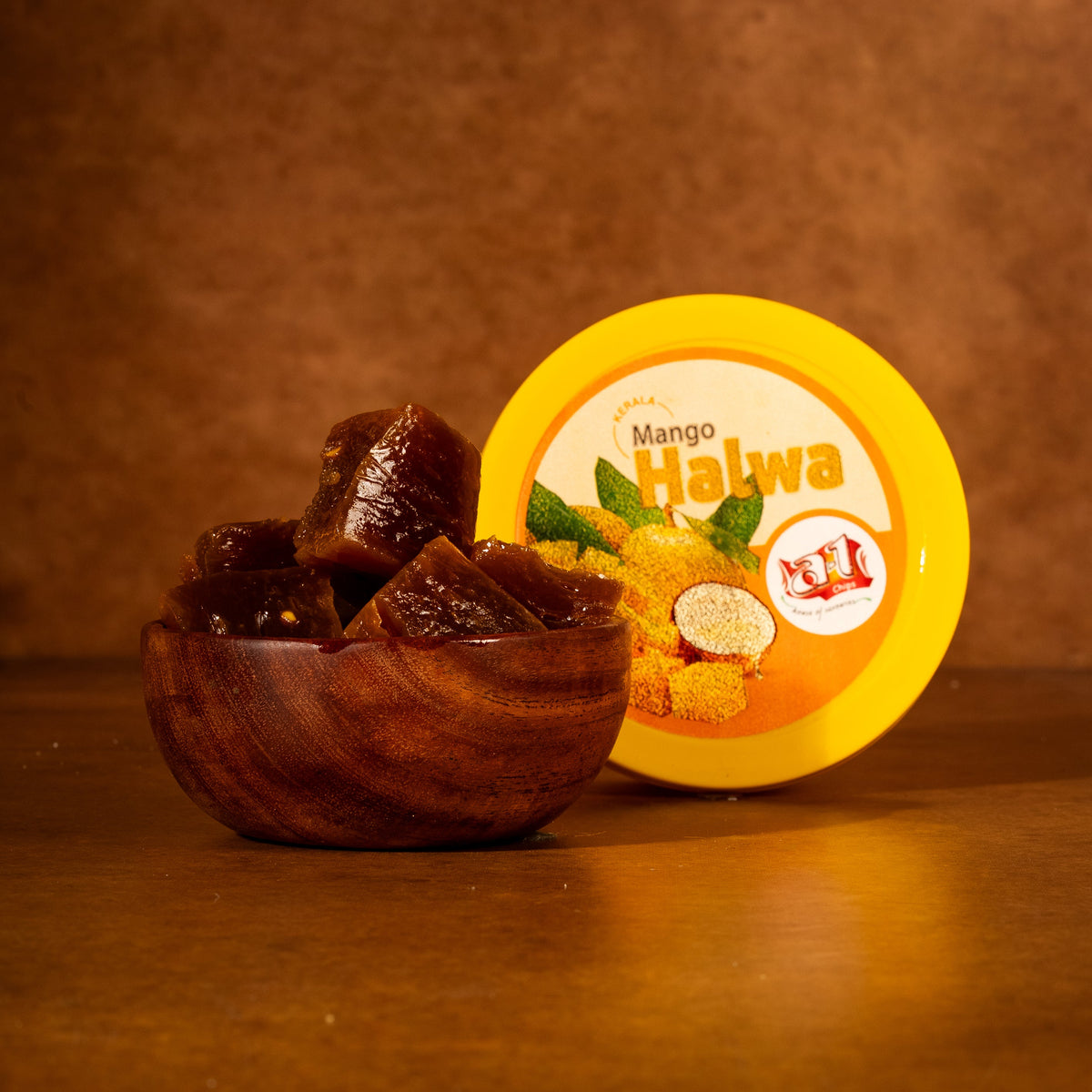
The banana-chip, murukku and halwa collections can support the initial shortlist. Existing combo products also help buyers compare assortment breadth. Keep a record of the actual selected products for each occasion, then check current options and availability before ordering. A calendar is a planning tool, not a reservation of stock.
Avoid repeating the same assumption all year
A product offered during one season may be changed, unavailable or unsuitable for another requirement. An earlier quotation may have expired. A previous office address may no longer be correct. Build a fresh confirmation step into every event rather than treating the first order as permanent approval for later purchases.
The same applies to ingredient information and pack options. Review the current details when preparing the next shortlist. If recipients have specific requirements, obtain clarification for the proposed products. Do not assume that a familiar brand or category makes every item suitable.
Set budget envelopes with a defined scope
A budget envelope helps the organisation compare priorities across the year. State whether each figure covers products only or also includes delivery and separately requested services. Keep confirmed quotations distinct from internal estimates. This prevents a planning spreadsheet from becoming a misleading record of supplier prices.
If the annual budget is limited, prioritise the occasions that have a clear business purpose. A smaller number of well-managed programmes may be easier to execute than many loosely defined ones. Procurement should be able to explain what each purchase is intended to achieve and who has approved it.
Separate gifting from recurring office supply
A one-off appreciation gift is not the same as regular canteen replenishment. Recurring office snacks involve demand tracking, storage, receiving and reorder decisions. Give that requirement its own planning process rather than hiding it in the gifting calendar.
A1 Chips' Corporate Orders page is the relevant enquiry starting point for corporate gifting. The Institution page provides a route for institutional supply enquiries. Use the route that matches the actual need and ask the business team to confirm the arrangement. Do not assume that a gift purchase automatically establishes a recurring service.
Include presentation requests early
If a business wants a message card, particular outer presentation or another optional feature, identify the request when the brief is prepared. Ask whether the service is available and whether it affects the quotation or schedule. Standard gift products do not establish that every customisation request can be accommodated.
Mark optional features separately from the essential assortment and recipient count. This makes it easier to assess alternatives if a request is unavailable. It also prevents the calendar from depending on a presentation idea that has never been confirmed by the supplier.
Plan location and handover responsibilities
For each occasion, identify where the goods should be received and who will distribute them. A central office delivery followed by internal allocation needs a different workflow from several separately agreed receiving points. Confirm the supported delivery scope before issuing internal announcements.
Allow time for receiving checks and follow the storage directions on the actual products. The calendar should not assign a common shelf life to all snacks or suggest that gifts can be bought far in advance without product-specific confirmation. Receiving and handover dates should remain connected to the real requirement.
Use a small approval checklist
Before each order, confirm the occasion, count, assortment, budget scope, receiving plan and responsible approver. Record what is still a request and what has been accepted. Keep the final quotation and specification together so the next person can understand the purchase without reading every earlier message.
If an event changes, update the calendar and the active enquiry. Do not assume a revised internal date has also changed the supplier's agreed arrangement. A calendar is useful only when its changes are communicated to the people responsible for execution.
Learn across occasions without claiming causation
After an event, record practical observations: whether allocation was clear, whether the pack format suited the setting, whether the receiving window worked and which ingredient questions recurred. These observations can improve the next brief. They do not prove that a gift caused a sales outcome or changed employee retention.
Keep feedback proportional to the programme. A few comments may identify a useful issue, but they should not be presented as a representative survey without an appropriate method. The calendar can preserve useful learning while avoiding exaggerated claims about the effect of gifting.
Build the next brief from current information
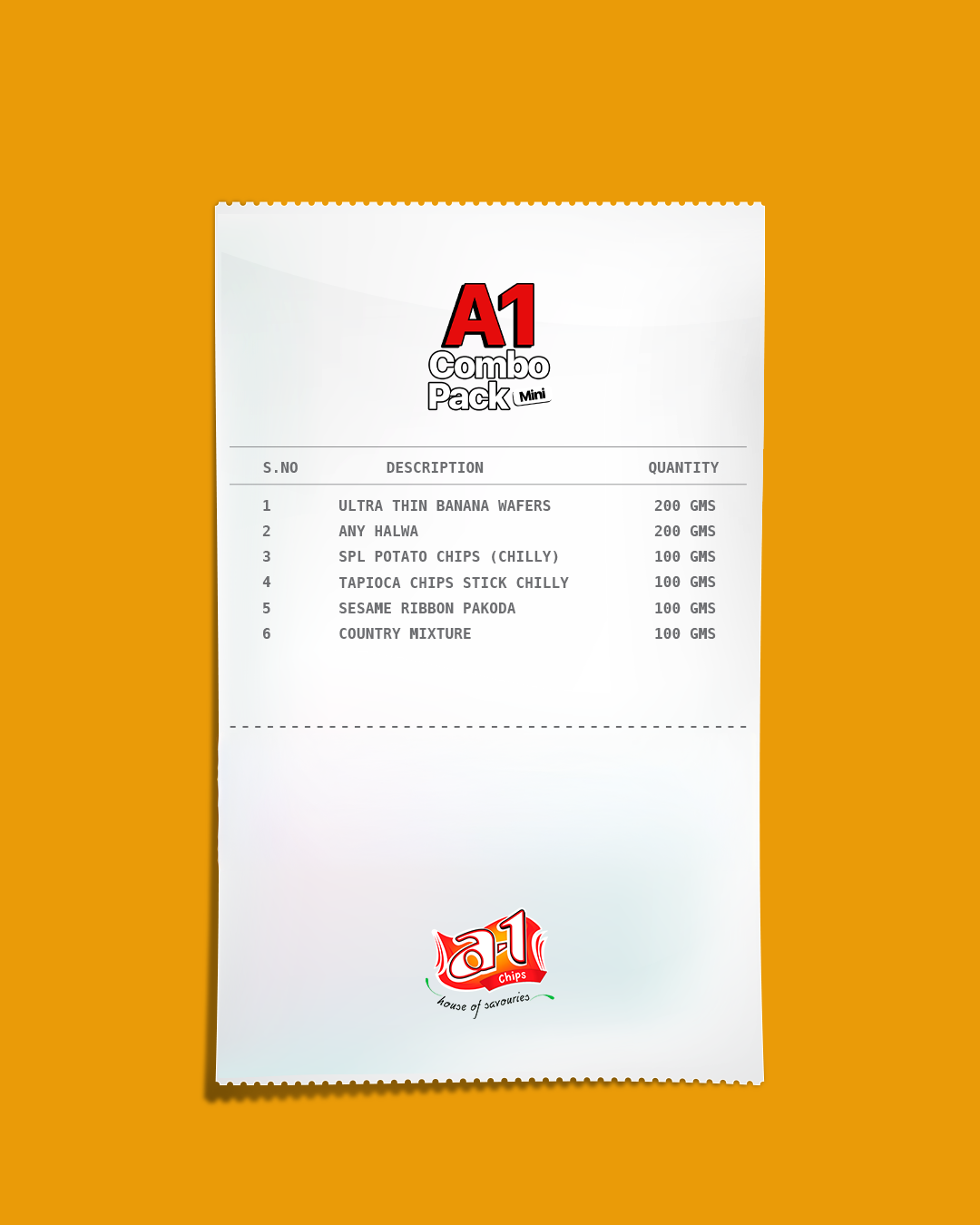
Use the calendar to begin the next enquiry with the right facts already assembled. A1 Combo Pack Mini and A1 All in One Combo are possible catalogue references for comparing assortment breadth. For festive selections, review the current kit listings rather than reusing an old image or an expired product description.
Read the corporate snack gifting procurement guide for the complete buying sequence, and use the enquiry-writing and quotation-comparison guides for the next decision. Submit the actual requirement through A1 Chips' Corporate Orders page. Planning beyond one festival creates time for better decisions, while every order still depends on current products and confirmed terms.
Related corporate buying guides
- Corporate Snack Gifting Procurement: From Brief to Approved Order
- Employee Snack Gifts: Planning Quantities, Preferences and Distribution
- Client Appreciation Snack Gifts: Building a Useful Selection
- How to Write a Corporate Snack Gift Enquiry
- Comparing Corporate Snack Gift Quotations Without Missing Costs
- Multi-Office Snack Gifting: A Delivery Planning Checklist


Leave a comment
This site is protected by hCaptcha and the hCaptcha Privacy Policy and Terms of Service apply.