

Client appreciation gifts work best when they are easy to understand and useful to receive. A snack assortment can offer a familiar, shareable gesture, but the buyer still needs to consider the relationship, recipient setting, company gifting rules and practical delivery arrangements. A large box is not automatically a more thoughtful choice than a smaller, well-considered selection.
This guide focuses on the selection decision for client gifts. It does not establish any particular A1 Chips custom-packing service, discount or delivery commitment. Explore the current products, prepare a clear brief and use the Corporate Orders enquiry route to confirm what can be supplied for your business requirement.
Begin with the relationship and occasion
Identify why the gift is being sent. A thank-you after a completed project, an anniversary acknowledgement and a festive greeting communicate different things. The occasion influences the tone and timing of the gift. Keep the purpose modest and clear rather than using an assortment to imply a commercial commitment or an obligation from the recipient.
Check the recipient organisation's gift policy before ordering. Some businesses restrict what staff may accept or require gifts to be declared. The sending organisation may have its own approval limits. Resolve those questions internally; a supplier cannot determine another company's acceptance policy. A carefully planned gesture should not create an awkward compliance problem for either side.
Think about the receiving setting
A gift addressed to one person may be shared with an office team or taken home. Those uses suggest different formats. An office-sharing assortment benefits from clearly identified products and manageable quantities. A personal take-home gift should be convenient to carry and store. Ask the account owner which setting is most likely without making assumptions about the recipient's household.
Delivery arrangements also depend on the setting. A receptionist may need the recipient's department or reference number to route the package. An event venue may accept goods only during certain hours. Confirm the destination with the recipient through the organisation's normal process, then ask which delivery arrangements the supplier can support.
Use a small set of meaningful product roles
Choose products by what they add to the assortment. A salted crisp contributes a different experience from a traditional sweet. Murukku brings another texture, while a mixed savoury offers variety within one pack. This approach helps the buyer create a coherent selection rather than simply increasing the number of items.
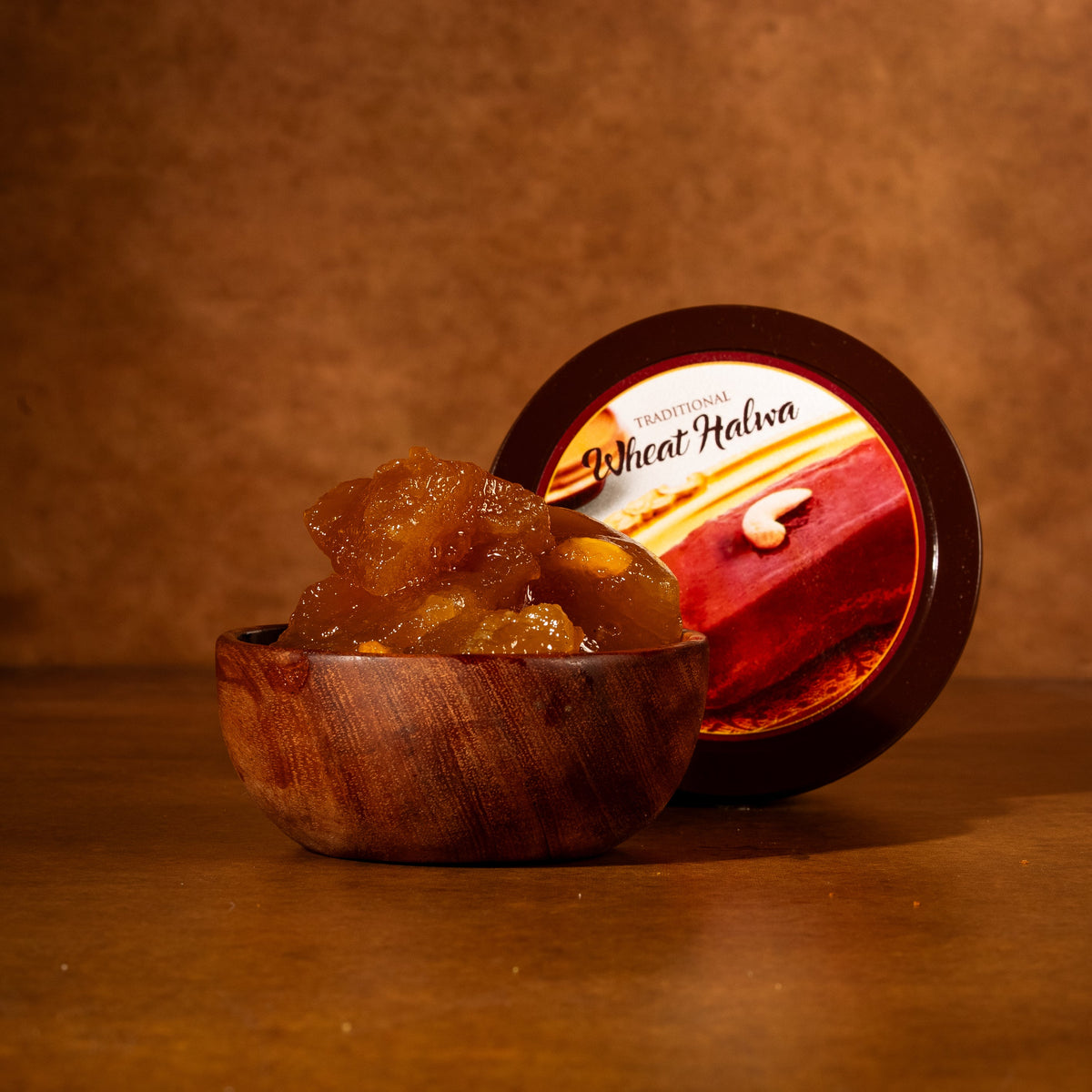
A1 Chips' banana-chip, murukku and halwa collections provide useful category references. For ready-made examples, review A1 Combo Pack Mini and A1 All in One Combo. Read their contents and available options carefully. Use the actual retail products to frame the discussion, then obtain confirmation of the business-order specification.
Balance familiarity with discovery
A client gift can include a familiar snack alongside a less familiar regional choice. The familiar item makes the assortment accessible, while a distinctive product can encourage discovery. The aim is a considered balance, not a claim that every recipient will enjoy the same flavour intensity or ingredient combination.
Use accurate product names and short descriptions. If a regional term needs explanation, explain the food rather than adding unsupported heritage claims. For example, a brief note distinguishing a savoury murukku from a halwa sweet helps recipients understand the assortment. Avoid promising health benefits or dietary suitability as part of the gifting message.
Keep ingredient questions separate from guesswork
Ingredient preferences should be addressed through current product information and supplier clarification. Never infer that a product is nut-free, vegan or otherwise suitable simply from its name or appearance. Mixed assortments need consideration at the individual-item level. If the requirement cannot be confirmed, choose a different option or record the unresolved question before ordering.
The account team should collect only the information needed for product selection. It rarely needs to place sensitive recipient details in an openly shared gift list. A clear requirement can be passed to procurement without turning a courtesy gift into an unnecessary personal-data collection exercise.
Select an appropriate scale
Decide whether the gift is intended as a small acknowledgement, a team-sharing assortment or part of a larger event programme. That decision should guide the budget and format. Avoid treating the highest-priced option as the default expression of appreciation. Presentation, relevance and an uncomplicated receiving experience may matter more.
Use a per-gift budget that specifies what is included. Product cost, delivery and any separately agreed services should be compared on the same basis. Retail prices are useful for discovery but are not a substitute for a confirmed business quotation. Do not assume bulk discounts or special packing from an online product photograph.
Build a clean recipient and allocation record
Keep the client organisation, receiving contact, address, selected assortment and approved quantity together in one controlled record. Identify the relationship owner who can answer questions. If several clients receive different selections, label the versions clearly and check the allocation before dispatch instructions are finalised.
Use a review step that checks names and destinations as carefully as the product choice. A correct assortment sent to the wrong branch is still an unsuccessful gift. Keep unconfirmed addresses separate from approved destinations, and do not promise multiple-address fulfilment until the supplier has confirmed the arrangement.
Ask about presentation without assuming customisation
If the business wants a message card, outer sleeve or particular presentation style, state it as a request. Ask whether it is available, how it affects the quotation and whether it changes the schedule. A published gift product does not automatically include personalised printing, gift wrapping or a bespoke assortment.
Where customisation is unavailable or unnecessary, a clearly selected standard assortment may be the more practical choice. The account team can manage any accompanying communication separately through its usual approved process. Keep the supplier's product scope distinct from the sender's relationship message.
Confirm the handover window
A gift intended for an occasion needs to arrive within a sensible receiving window. Tell the supplier when the recipient needs it and when the destination can accept goods. Ask for a confirmed schedule before promising a date internally. Avoid basing an event plan on a general retail delivery estimate.
Allow time to check quantities and pack condition if the sending organisation will redistribute the gifts. Follow the storage instructions on the actual products while they wait for handover. Do not assign one shelf-life assumption to sweets, crisps and mixed assortments; use the relevant label information and supplier confirmation.
Agree how to handle substitutions
A substitute can affect the assortment's ingredients, weight, flavour balance and presentation. Ask how unavailable items will be handled and who must approve alternatives. A phrase such as equivalent value does not explain whether an alternative meets the original product requirement.
Keep the approved contents list with the final quotation. If an option changes, update both the selection and the allocation record. This avoids a situation in which the account manager expects one gift while procurement and the receiving team are working from different versions.
Learn from the receiving experience
After the programme, ask the relationship owner whether delivery and receipt were straightforward. Record practical observations about pack convenience, assortment clarity and repeated ingredient questions. Those notes are more actionable than vague statements that the gift looked premium.
Do not infer commercial results from the gift alone. A client reply, repeat order or positive comment can have many influences. The useful procurement outcome is a well-managed gesture that respected the recipient's setting and matched the approved specification.
Prepare the next enquiry
A useful client-gifting brief includes the occasion, proposed quantity, receiving locations, budget scope, product shortlist and requested handover window. Add any presentation requests as questions and identify which requirements are essential. Submit the brief through A1 Chips' Corporate Orders page for confirmation of the available options and terms.
For operational planning, read the corporate snack gifting procurement guide and the quotation-comparison guide. Product selection, relationship etiquette and purchase approval are connected decisions, but each needs its own clear owner. Bringing them together early produces a more thoughtful gift and a simpler order.
Related corporate buying guides
- Corporate Snack Gifting Procurement: From Brief to Approved Order
- Employee Snack Gifts: Planning Quantities, Preferences and Distribution
- How to Write a Corporate Snack Gift Enquiry
- Comparing Corporate Snack Gift Quotations Without Missing Costs
- Multi-Office Snack Gifting: A Delivery Planning Checklist
- Corporate Gifting Calendars: Plan Snacks Beyond Diwali


Leave a comment
This site is protected by hCaptcha and the hCaptcha Privacy Policy and Terms of Service apply.