
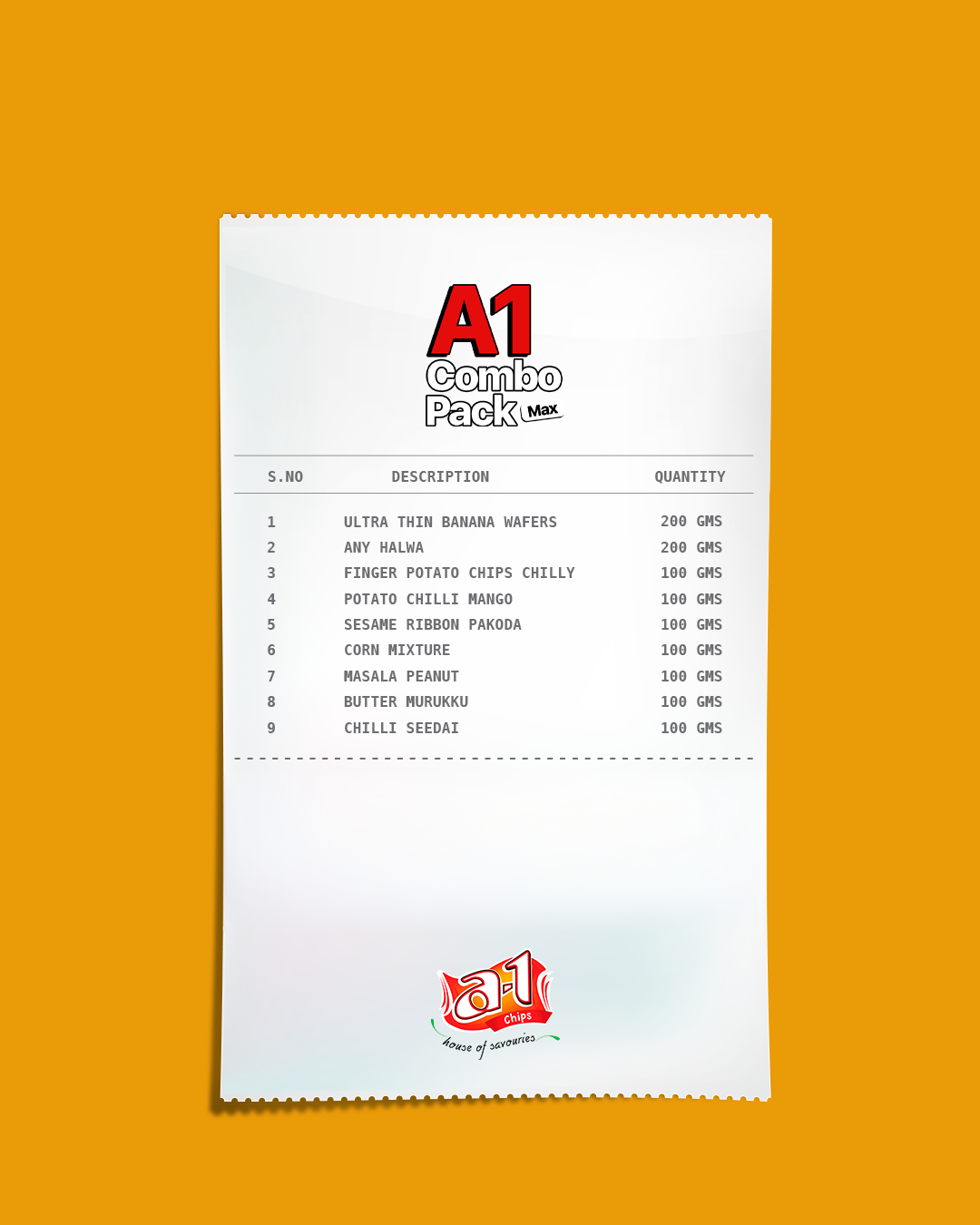
Two corporate snack gift quotations can have similar totals while covering different requirements. One may include a different assortment, another pack size or a different delivery scope. A reliable comparison starts by making those differences visible. The cheapest headline figure is not useful if the buyer cannot explain what each recipient will receive.
This guide provides a practical comparison method for business buyers. It is not a statement of A1 Chips' prices, discounts, payment terms or tax treatment. Use the Corporate Orders enquiry route to request confirmation for the actual requirement, then compare the response against a written specification.
Establish a common specification first
Before comparing prices, agree the recipient count, assortment format, named products, pack sizes and quantity per recipient. If the buyer has not selected a final assortment, compare clearly labelled alternatives rather than pretending that they are identical offers. The specification should distinguish essential requirements from preferences.
Use exact names from the product pages. “Banana chips” may describe different cuts, flavours and pack options. “Halwa” can refer to separate products. An itemised specification prevents a broad category name from hiding a material difference in the proposed gift.
Compare the contents at recipient level
Calculate what one recipient receives under each option. Record the number of packs, net weights where confirmed, flavour choices and any presentation components. A higher item count may consist of smaller packs; a lower count may include more product. Neither is automatically better, but the difference needs to be understood.
Photographs can support the discussion, but they should not replace the contents list. If a product image includes serving props or several pack variants, ask which items belong to the quoted assortment. Keep the confirmed contents in writing so the receiving team can check the delivered goods against the same specification.
Define the unit being priced
A quotation may refer to a single pack, an assortment, a carton or the entire order. Make the unit explicit before calculating a per-recipient cost. If carton quantities are involved, ask how many sellable or gift units each carton contains. Do not assume a case configuration from a retail listing.
Use consistent terminology in the comparison sheet. A column labelled unit price should identify the unit in its heading. Keep the quantity and price basis next to each other. This is a small administrative detail that can prevent a substantial misunderstanding during approval.
Separate product price from other charges
List delivery, packing and any separately quoted services as distinct components where applicable. Ask whether the total includes the requested destinations and delivery arrangement. A quote for one office does not establish a price for several offices or individual recipient deliveries.
Clarify the treatment of applicable taxes through the quotation and the organisation's finance process. Avoid treating a retail shipping promotion as a commercial-order term unless the supplier confirms it applies. The goal is a comparable landed cost for the agreed requirement, not a collection of headline prices.
Use a simple comparison worksheet
A useful worksheet contains one row per option and columns for specification version, quantity, unit basis, product amount, other charges, total quoted amount, validity and unresolved questions. Add a separate note for delivery scope so it is not lost inside a general comments field.
For illustration, Option A might use a smaller assortment delivered to one receiving office, while Option B includes more products and a different destination plan. Those are different offers. Label the differences before deciding whether the additional scope is useful. This example describes a comparison method, not an actual A1 Chips quotation.
Check that dates describe the same thing
A quotation date, validity date, requested dispatch date and recipient handover date serve different purposes. Record each one accurately. If the business needs gifts for an event, tell the supplier the event date and ask for a supported schedule. A delivery estimate is not automatically a guaranteed handover commitment.
Allow internal time for purchase approval, receiving checks and allocation. If the timeline is tight, ask which parts of the proposal remain feasible before finalising the assortment. A lower-priced offer that cannot support the required schedule may not meet the business need.
Read substitution terms carefully
Ask what happens if an item becomes unavailable. A substitute can change ingredients, pack weight, flavour balance and the appearance of the assortment. The phrase similar value does not explain whether the alternative meets the original requirement. Identify the approver and how changes will be documented.
If the quote offers alternatives, compare them as named options. Do not merge different versions into a single price column. Keep the final approved contents list with the final quotation so a later change can be assessed against a clear baseline.
Include payment and cancellation questions
The organisation needs to understand when payment is required and what order changes are possible. Ask the supplier to confirm the applicable terms for the proposed transaction. Do not copy terms from another channel or assume an earlier retail purchase establishes the arrangement for a new business order.
The buyer should also identify any internal purchase-order or invoice requirements before approval. If finance needs particular billing details, provide them early. Resolve commercial questions with the responsible teams rather than publishing assumptions as general supplier policy.
Consider receiving and handling work
The quoted product is only part of the programme. The buyer may need to receive, inspect, store, allocate and distribute the gifts. Compare how each option fits that workflow. An assortment that is difficult to separate across offices can create additional internal work even if its headline price is attractive.
This does not mean assigning an invented monetary value to every task. It means making operational differences visible. If one option requires repacking or handling that the business cannot support, identify that before ordering. Do not assume the supplier includes a service merely because it would be convenient.
Evaluate value without unsupported claims
Useful value questions concern variety, pack convenience, product clarity and fit with the occasion. Avoid relying on unverified claims such as healthiest, longest-lasting or best for every recipient. Ingredient and shelf-life information should come from the relevant products and supplier confirmation.
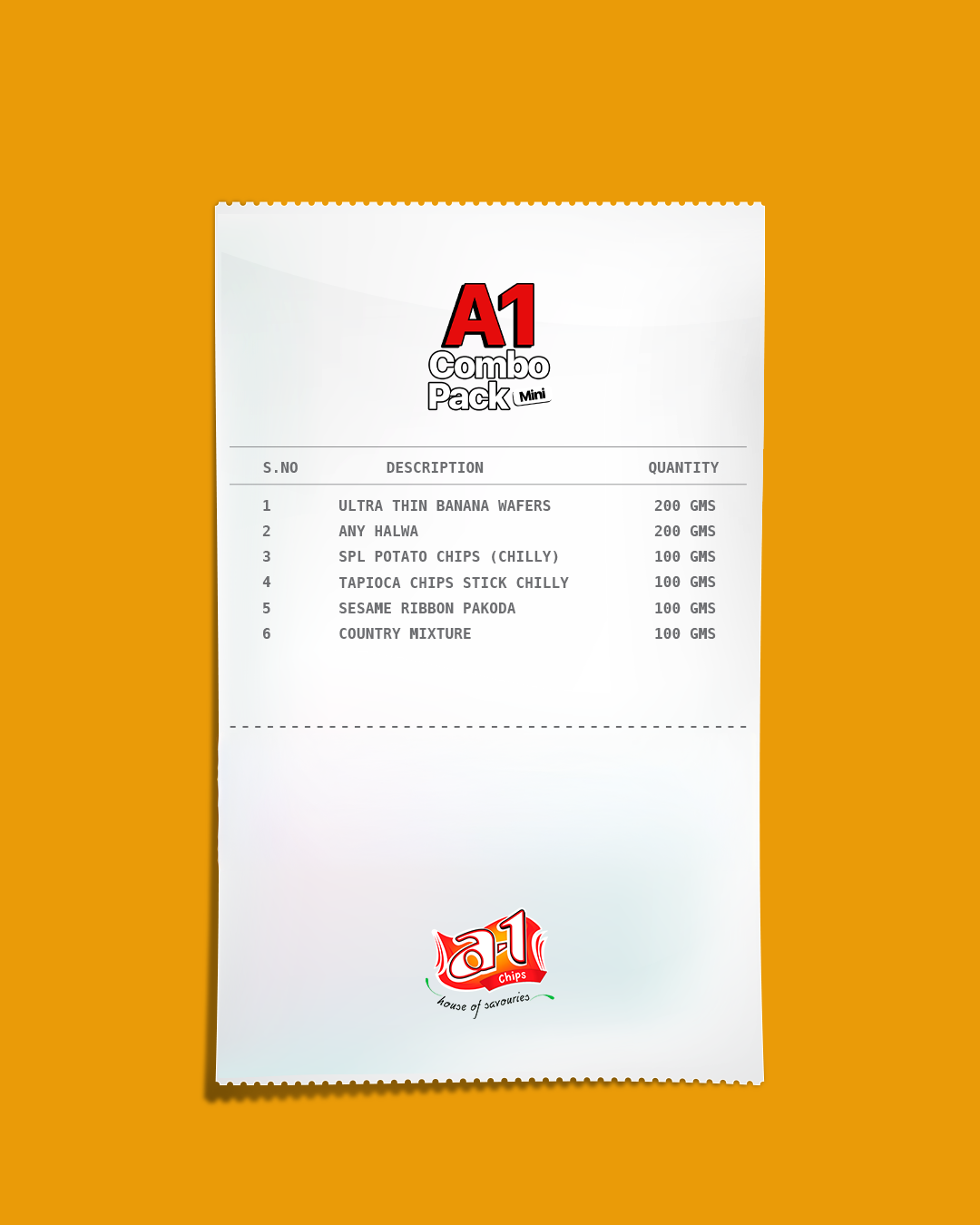
A1 Chips' combo and gift-box buying guides can help with the product-selection side. Use A1 Combo Pack Mini or A1 All in One Combo as catalogue references where relevant, while keeping quotation assessment tied to the actual confirmed business specification.
Record the approval rationale
The final decision should explain why the selected option meets the purpose, quantity, budget and delivery requirement. A short note is enough: for example, the chosen assortment provides the agreed variety and the confirmed receiving arrangement fits the office distribution plan. Avoid a vague statement that it was simply the most premium option.
Keep unresolved questions out of the approval by resolving them or clearly withholding the affected part of the order. Retain the approved quotation, specification and change record together. This helps the organisation handle receipt and invoice queries without reconstructing the decision from memory.
Questions to ask before accepting a quotation
Can the buyer identify exactly what one recipient receives? Is the price unit clear? Are all requested destinations covered? Are additional charges and validity stated? Is the schedule confirmed? Are substitutions and order changes understood? Have ingredient-related requirements been resolved?
Use A1 Chips' Corporate Orders page to discuss these points for the proposed requirement. For the wider planning process, read the corporate snack gifting procurement guide and the enquiry-writing guide. A useful quotation comparison produces a clear, defensible purchase decision, not just a lower number in a spreadsheet.
Related corporate buying guides
- Corporate Snack Gifting Procurement: From Brief to Approved Order
- Employee Snack Gifts: Planning Quantities, Preferences and Distribution
- Client Appreciation Snack Gifts: Building a Useful Selection
- How to Write a Corporate Snack Gift Enquiry
- Multi-Office Snack Gifting: A Delivery Planning Checklist
- Corporate Gifting Calendars: Plan Snacks Beyond Diwali


Leave a comment
This site is protected by hCaptcha and the hCaptcha Privacy Policy and Terms of Service apply.