
A useful corporate snack gift enquiry makes it easy for a supplier to understand the requirement and respond with relevant questions or a quotation. It does not need elaborate language. It needs a clear occasion, an approximate quantity, a realistic delivery requirement and enough product detail to avoid a vague exchange about an unspecified hamper.
A1 Chips provides a Corporate Orders enquiry route. This guide explains what a business buyer can prepare before using it. The fields below are a buyer's planning framework, not a claim about mandatory form fields, minimum quantities or services included by A1 Chips. Confirm the available options and commercial terms directly for the proposed order.
Give the enquiry a specific subject
Use a subject that identifies the purpose, quantity status and occasion. A line such as “Employee event snack assortment enquiry — estimated quantity awaiting final approval” is more informative than “Best price please.” It tells the recipient that the buyer needs product guidance and that the count is not yet a final order.
When the quantity is approved, say so. If the enquiry concerns several locations or assortment versions, include that context in the opening paragraph. A subject should help route the request; it should not contain confidential recipient lists or unnecessary personal information.
Explain the occasion in one paragraph
State who the gifts are for and how they will be used. Will recipients collect a take-home assortment at an event, receive it at an office or share the snacks during a meeting? These details affect the product format and delivery discussion. They are more useful than a long description of the company's history.
Include the handover date separately from the preferred delivery date. If the organisation needs time for checking and allocation, make that visible. A supplier can assess a clearly explained requirement more effectively than a deadline that appears only after the products have been selected.
Separate confirmed details from estimates
A good enquiry labels its assumptions. Mark an approximate recipient count as an estimate and name the point at which the organisation expects to confirm it. Distinguish a target budget from an approved spending limit. Identify whether a product shortlist is mandatory or simply a starting point for discussion.
This clarity helps prevent an exploratory message from being mistaken for an order instruction. It also makes the response easier to assess. If the supplier offers alternatives, procurement can compare them with the essential requirements instead of trying to infer which parts of the original message were flexible.
Describe the product direction
Use product categories and named examples together. “A sweet-and-savoury assortment” gives a broad direction; mentioning A1 Combo Pack Mini or A1 All in One Combo gives the supplier a concrete reference. Do not assume that a named retail combo is customisable or available in the required business quantity.
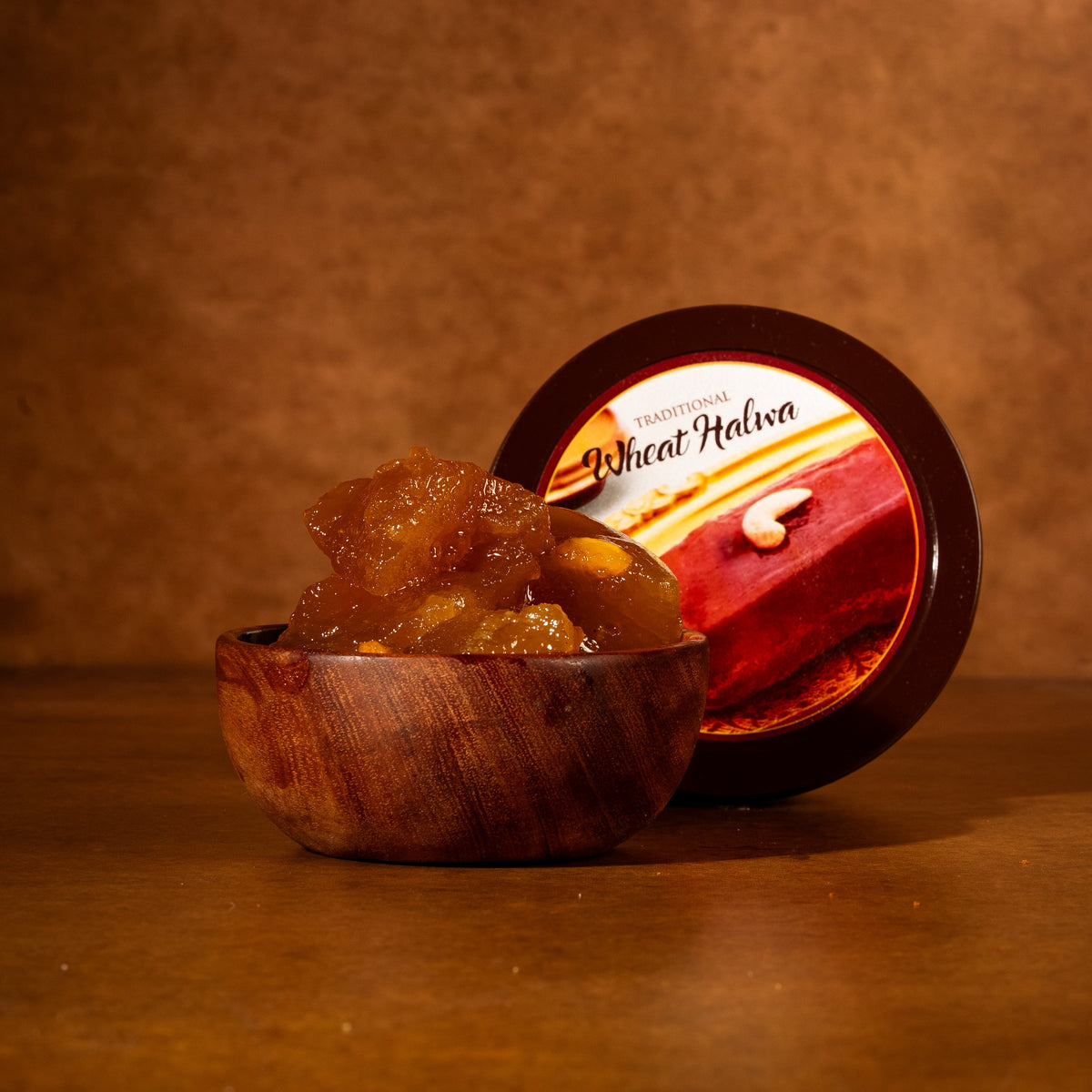
The banana-chip, murukku and halwa collections can help a buyer create a shortlist. Record the exact product names and available pack options rather than relying on a screenshot alone. If a particular ingredient requirement matters, identify it as a question to resolve before product approval.
State the budget basis
Explain whether the budget is per recipient, per assortment or for the complete programme. Specify whether that figure is intended to include delivery, taxes and any requested presentation services. Without a common basis, two apparently similar prices may describe different scopes.
Ask for the quotation to show its inclusions, exclusions and validity. Avoid requesting a discount as if it were an established entitlement. Bulk pricing, payment terms, packing services and delivery arrangements require confirmation for the actual requirement. Retail prices should not be copied into the purchase order as an assumed business quotation.
Provide a delivery outline, not an uncontrolled address dump
For the first enquiry, the supplier may need the number of destinations, city or delivery area, receiving arrangement and required dates. Detailed recipient data should be shared only when necessary for an agreed fulfilment process. Use the organisation's approved method for handling those details.
If the programme involves several offices, summarise the location count and approximate allocation. Ask whether the proposed arrangement is supported. Avoid promising individual home delivery, split dispatches or special venue access before the supplier has confirmed how the order can be handled.
List presentation requests as questions
If a message card, outer sleeve, gift wrapping or custom assortment is desired, label it as a request. Ask whether it is available and what information is needed to assess it. A festive product image is not evidence that every form of customisation is offered.
Keep optional requests in a separate section. This allows the supplier to explain what can be done without making the entire enquiry depend on an unnecessary feature. It also helps procurement assess whether an added service changes cost, timing or the approval process.
Ask the questions that affect approval
Useful questions include which shortlisted products can be supplied, which pack options are available, what quantity information is needed, what delivery scope can be quoted and how substitutions would be proposed. Ask for current ingredient information when that affects selection.
Avoid a list of generic questions that have no bearing on the decision. If the organisation will not use custom printing, it does not need a detailed printing discussion. Prioritise the uncertainties that could change the assortment, budget or schedule.
An example enquiry structure
Subject: Corporate snack gifting enquiry for an employee event.
Opening: We are planning take-home snack gifts for an employee gathering. Our approximate count is awaiting final internal approval. We would like to compare a sweet-and-savoury assortment using products from the current A1 Chips range.
Product direction: A1 Combo Pack Mini is one reference for the discussion. Please advise whether the proposed requirement can be supported and which current products or assortment options we should compare. Any alternatives should identify their contents and pack sizes.
Timing and delivery: We will provide the event handover date, preferred receiving window, destination and receiving contact. Please confirm what schedule and delivery arrangement can be offered before we finalise the plan.
Quotation request: Please identify the quoted scope, applicable charges, payment requirements and quotation validity. We would also like to understand how changes in quantity or product availability would be handled.
These paragraphs are a template for a buyer to adapt. Replace the general statements with the actual approved details before submitting. The example does not promise any A1 Chips service or commercial term.
Review the enquiry internally
Ask someone outside the purchasing conversation to read the message. Can they identify the intended recipient group, approximate quantity, product direction, budget basis and required date? If not, clarify the brief before sending. This simple review can prevent several rounds of avoidable follow-up.
Check that the message does not contain conflicting versions of the count or assortment. Remove obsolete attachments and label the current specification. Identify the person authorised to answer supplier questions so that a response does not circulate without an owner.
Turn the response into a decision record
When the supplier replies, record what has been confirmed and what remains open. A response acknowledging the enquiry is not the same as an accepted order or a committed delivery schedule. Ask for clarification where a key detail is missing rather than filling the gap with an assumption.
Once a quotation and specification are approved, retain them together. Keep any agreed changes attached to the same record. This creates a reliable basis for receiving the goods and reconciling the invoice later.
Choose the correct enquiry route
Use A1 Chips' Corporate Orders page for the gifting requirement. Ongoing canteen and hospitality supply can be discussed through the Institution route. Distribution, authorised retail and export enquiries have separate business pages and should be described according to their actual purpose.
For the complete buying sequence, read the corporate snack gifting procurement guide. A strong enquiry does not guarantee that every request can be fulfilled. It gives both buyer and supplier a clear starting point for confirming the products, responsibilities and terms that make an order workable.
Related corporate buying guides
- Corporate Snack Gifting Procurement: From Brief to Approved Order
- Employee Snack Gifts: Planning Quantities, Preferences and Distribution
- Client Appreciation Snack Gifts: Building a Useful Selection
- Comparing Corporate Snack Gift Quotations Without Missing Costs
- Multi-Office Snack Gifting: A Delivery Planning Checklist
- Corporate Gifting Calendars: Plan Snacks Beyond Diwali



Leave a comment
This site is protected by hCaptcha and the hCaptcha Privacy Policy and Terms of Service apply.