
A multi-office snack gifting programme has two linked tasks: selecting the assortment and making sure each location receives the correct allocation. Product selection often gets most of the attention, but address accuracy, receiving windows and local coordination can determine whether the programme runs smoothly. A clear location plan reduces the risk of gifts arriving without an owner or being issued from the wrong allocation.
This guide is a planning checklist for organisations with more than one receiving point. It does not establish that A1 Chips offers every form of split delivery or individual-address fulfilment. Describe the proposed arrangement through the Corporate Orders enquiry route and obtain confirmation of the supported scope before promising dates to employees or clients.
Choose the distribution model
Decide whether the supplier will deliver to a central office for internal redistribution, to several offices, or through another specifically agreed arrangement. These models have different handling requirements. A central delivery can simplify supplier coordination while creating an internal transport task. Several office deliveries require a more detailed allocation and receiving plan.
Write the chosen model into the purchase brief. If the model is still being evaluated, label the alternatives and ask for separate confirmation. Avoid switching from one destination to many after a quotation has been approved without reviewing the effect on charges, timing and responsibilities.
Build one location master
Create a controlled list of receiving locations with consistent names. Include the complete delivery address, local coordinator, approved quantity, assortment version and receiving restrictions. Keep contact details in the organisation's appropriate system and share only what is needed for the agreed delivery process.
Check the location master against the organisation's current office information. A remembered address or an old invoice can be out of date. Confirm floor numbers, department references and any reception instructions that help the package reach the intended team. Address validation is a separate task from approving the assortment.
Reconcile quantity before issuing instructions
Add the office allocations and compare the result with the approved order total. Reserve quantities should have a location and an owner. If an office's count is provisional, identify it as provisional rather than blending it into the final allocation. Every change should update the total in the same record.
Where different assortment versions are used, reconcile both location totals and version totals. This creates two useful checks. Procurement can confirm how many gifts are being purchased overall, while the receiving team can confirm how many of each version belong at its office.
Set realistic receiving windows
A preferred arrival date is not enough. Ask each location when goods can be accepted and whether the receiving contact will be present. A venue or shared office may have restricted delivery hours. A branch may be closed on a local holiday even if the central office is open.
Give the supplier the relevant constraints and ask what schedule can be supported. Keep the requested window distinct from the confirmed arrangement. Do not convert a general retail delivery estimate into an organisation-wide promise, especially when gifts must be redistributed before a fixed event.
Plan for receipt before handover
Arrival and handover are different milestones. The local team needs time to check the consignment, record discrepancies and arrange collection. If the gifts will be stored before distribution, the location needs suitable space and must follow the directions on the actual packs.
Avoid assigning one storage period to all products in a mixed assortment. Record the relevant label information and supplier guidance. If the office cannot provide appropriate storage or handling, revise the timing or format before placing the order rather than leaving the issue to reception staff.
Create a local receiving checklist
The coordinator should know the expected delivery reference, number of units, assortment version and internal contact for questions. Ask the team to check quantities and visible pack condition against the agreed documents. Record any issue clearly and raise it through the appropriate supplier contact process.
A useful discrepancy note identifies the location, order reference, affected product or pack, quantity and observed condition. Photographs can support the record where appropriate. Avoid discarding relevant packaging or mixing affected goods with other stock before the responsible team has assessed the issue.
Keep products and office allocations identifiable
If the organisation will redistribute a central consignment, decide how office allocations will remain distinguishable. Use clear internal labels or an allocation sheet that does not obscure the product's own label information. The method should let the receiving team identify the correct products without opening every assortment.
Do not assume the supplier includes office-specific labelling or repacking. State any such request in the enquiry and ask whether it is available. If the organisation handles that step itself, assign the responsibility and allow time for it in the plan.
Control changes to addresses and counts
Multi-office programmes can generate many small messages: a moved recipient, an increased count or an altered collection date. Decide who can approve and communicate those changes. A single current location master is safer than several teams sending independent instructions to the supplier.
Ask when changes can be accommodated and whether they require a revised quotation. After the final instruction is accepted, record the version and stop circulating older allocation sheets as if they were current. This gives both the supplier and local coordinators a clear reference.
Avoid unnecessary sharing of recipient data
Office-level gifting often needs fewer personal details than individual home delivery. Use the least detailed allocation that supports the agreed process. The organisation should decide how recipient information is collected, stored and shared under its own privacy practices.
If individual-address delivery is proposed, confirm that the supplier supports it and agree the information-transfer method before sending a list. Do not paste a large set of personal addresses into a general enquiry simply because the programme includes remote employees.
Prepare a simple exception plan
Identify what happens if a location cannot accept the goods, a coordinator is absent or a recipient does not collect a gift. These are organisational planning questions as well as supplier questions. The exception plan should name the internal decision maker and the communication route.
Avoid writing speculative courier procedures as if they were guaranteed service terms. Ask the supplier about the actual arrangement and record the response. Keep a distinction between what the organisation will do internally and what the supplier has agreed to do.
Review whether the assortment suits the journey
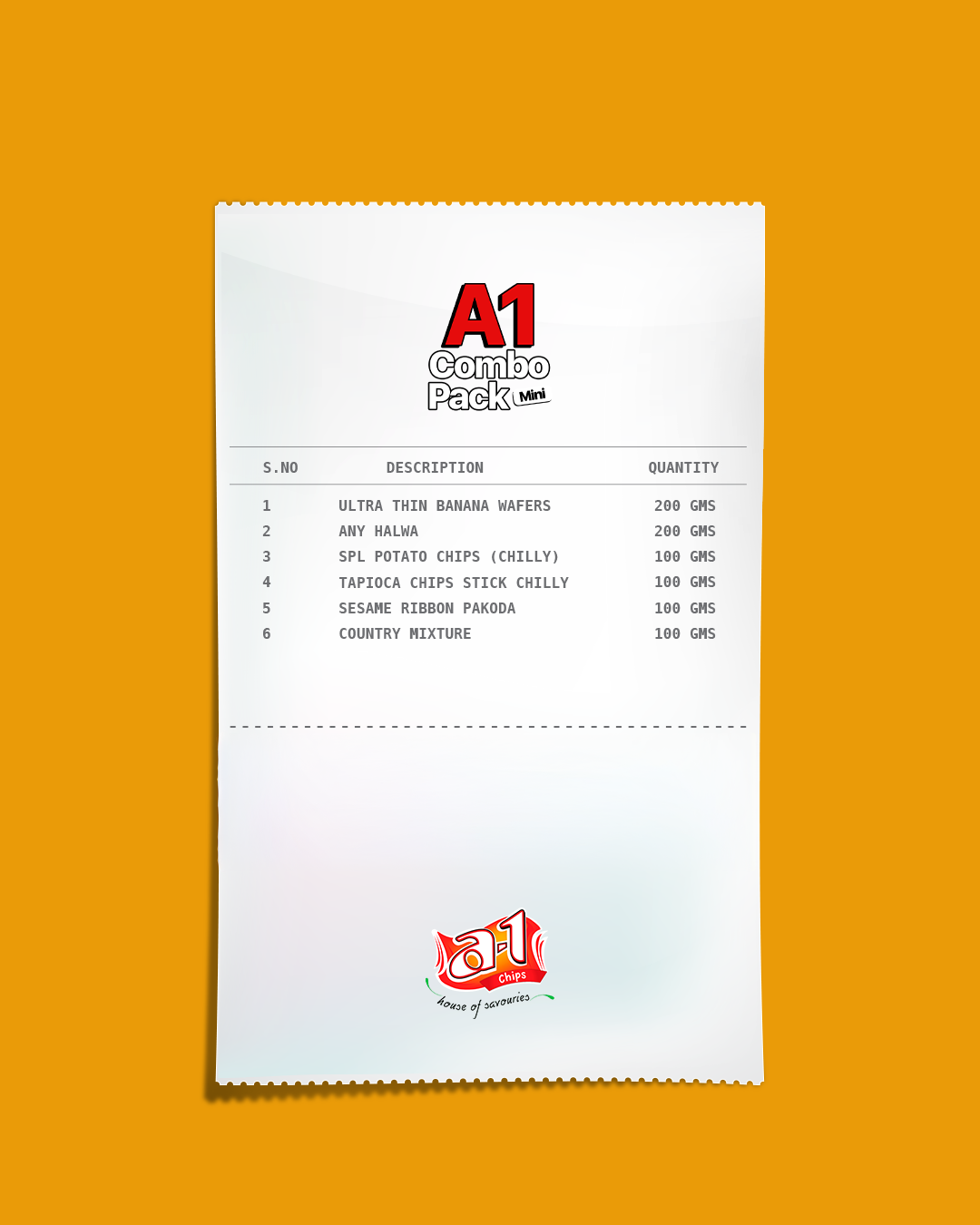
The A1 Combo Pack Mini, A1 Grand Pack and A1 All in One Combo are useful catalogue references when comparing assortment breadth. Read the product contents and available options. The chosen gift should fit the way it will be received and carried, not only the appearance of a promotional image.
If the programme involves shared office service rather than take-home gifts, explain that in the enquiry. The Institution route may be relevant for ongoing office or canteen supply. A gifting order and recurring service requirement should not be combined casually without clarifying the purpose.
Close the allocation record
After distribution, reconcile the quantity received, issued and still held at each office. Record practical lessons about receiving windows, pack convenience and allocation clarity. This creates a better starting point for the next programme without assuming that the same products or terms will remain available.
For the overall purchase process, read the corporate snack gifting procurement guide. For the initial supplier message, use the enquiry-writing guide. Then submit the location outline through A1 Chips' Corporate Orders page. A clear allocation plan connects product selection with an achievable receiving and handover process.
Related corporate buying guides
- Corporate Snack Gifting Procurement: From Brief to Approved Order
- Employee Snack Gifts: Planning Quantities, Preferences and Distribution
- Client Appreciation Snack Gifts: Building a Useful Selection
- How to Write a Corporate Snack Gift Enquiry
- Comparing Corporate Snack Gift Quotations Without Missing Costs
- Corporate Gifting Calendars: Plan Snacks Beyond Diwali



Leave a comment
This site is protected by hCaptcha and the hCaptcha Privacy Policy and Terms of Service apply.