
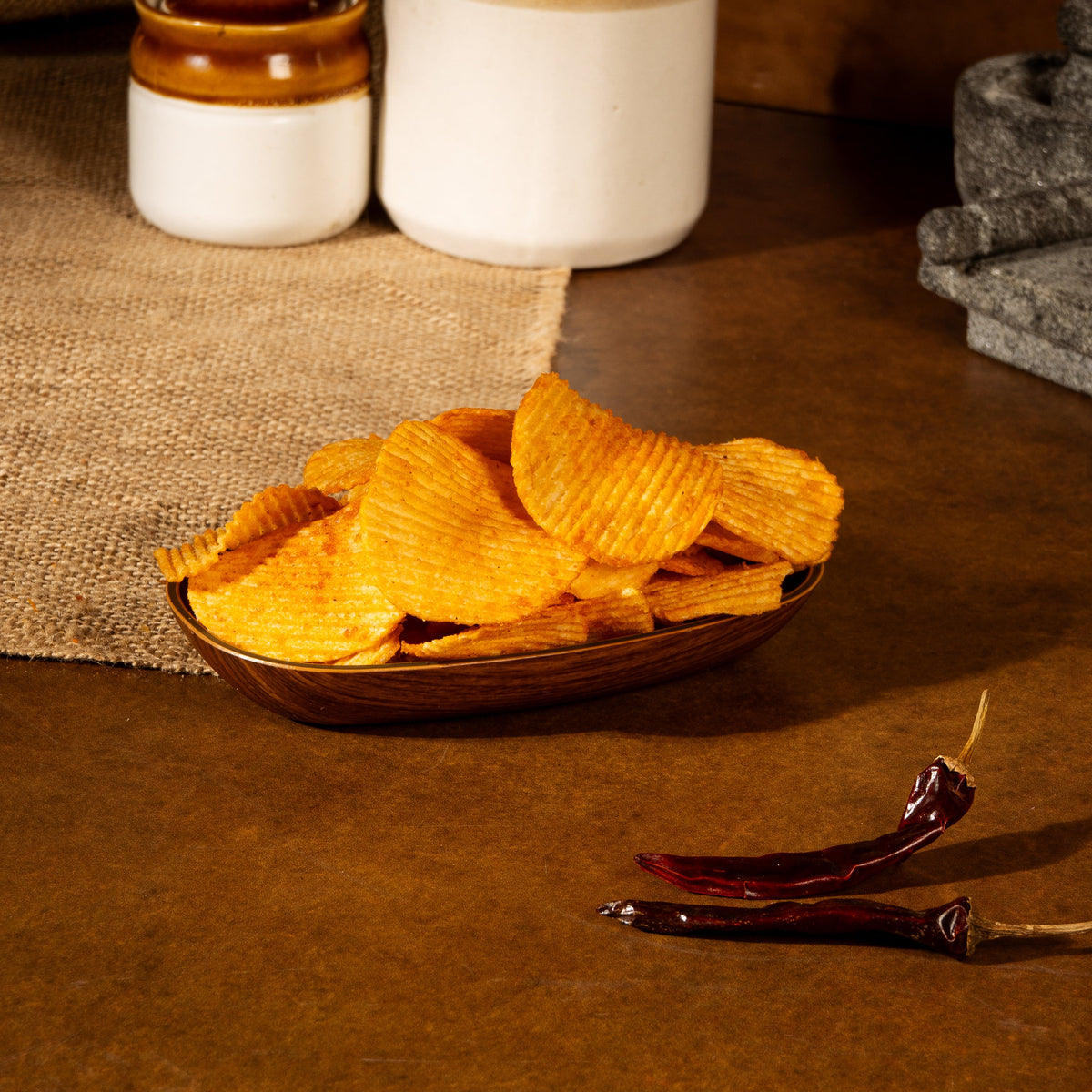
Explore Indian potato-chip flavours and specialty vegetable crisps, and choose the right A1 Chips snack for your taste. Use this guide to match the chip's base ingredient and flavour with the occasion before comparing packs.
Beyond plain potato chips
Indian savoury chips now span classic salted potatoes, chilli seasonings, mint, tomato and regional spice blends. A1 Chips also lists specialty crisps made from ingredients such as bitter gourd and gooseberry. These products belong in one broad snack conversation but should not be marketed as identical just because they are crisp.
Sort snacks by base ingredient first
Potato provides a familiar canvas for seasonings, while specialty vegetable and fruit crisps can have a more distinctive underlying flavour. Decide whether you want a conventional potato snack or something less familiar before selecting between salt, chilli, garlic and other flavours. This is a better way to build a mixed assortment.
Compare the specific flavour
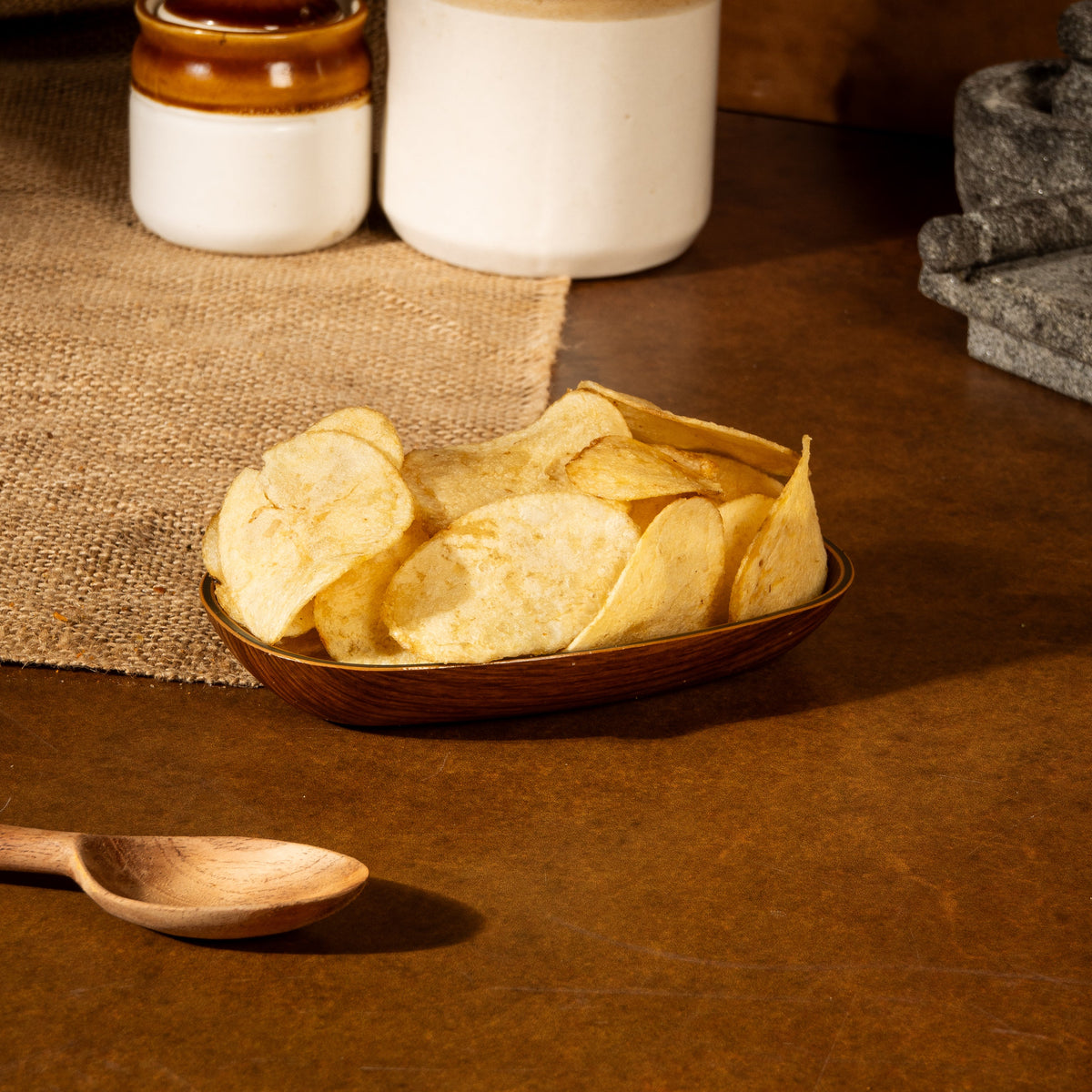
A1 Chips lists Potato Chips Chilly Tomato, Potato Chips Pudhina, Potato Chips Spicy Garlic and a plain salted option. The names provide clues, but the accurate ingredient and allergen information is on the relevant product listing and packet. Strong-flavour snacks may suit some recipients better than others.
Make a buying checklist
For each packet, confirm the net weight, ingredients, available variant, price and delivery location. For gifts or sharing, combine a familiar potato chip with a distinctive specialty crisp rather than several near-identical flavours. Keep individual wrappers accessible when allergens are relevant.
Compare A1 Chips products
Potato Chips Chilly Tomato · Potato Chips Pudhina · Bittergourd Chips. Explore the Potato Chips collection for relevant live options.
Questions shoppers ask
Are specialty crisps the same as potato chips?
No. Different base ingredients, cuts and seasonings create materially different products.
How can I compare A1 Chips potato options?
Start with the Potato Chips collection and use individual product pages for the current flavour, size and availability.
Map your tastes before comparing products
The simplest way to approach an unfamiliar chips assortment is to decide which dimension matters most: the base vegetable or fruit, the amount of seasoning, the cut, or the occasion. Potato chips are familiar to many buyers, but a specialty crisp made from bitter gourd or gooseberry offers an entirely different starting ingredient. A shopper interested in flavour variety might choose several potato-chip seasonings, while someone exploring regional snack traditions might prefer a mixed set of potato, cassava, banana and other specialty chips.
A useful comparison framework
| What you care about | What to compare | Common mistake |
|---|---|---|
| Spice preference | Plain salt, chilli and named masala flavours | Assuming flavour names are standardized heat ratings |
| Ingredient preference | Potato, cassava, bitter gourd, banana or fruit bases | Assuming all chips have the same ingredient profile |
| Value | Selected pack weight and actual price | Comparing product names without checking variants |
| Dietary needs | Product-specific ingredient and allergen declarations | Inferring suitability from the vegetable name |
Why unfamiliar crisps deserve a smaller first order
A specialty snack is easiest to appreciate when it is purchased as an intentional tasting choice. Rather than filling the basket with one unknown flavour, combine a familiar salted potato chip with one new base ingredient. Serve them in separate bowls so the seasoning and texture do not blur together. If the specialty snack proves popular, the next purchase can be larger. This also makes gifting safer: a recipient receives at least one familiar option.
How to build a selection for different occasions
For a family gathering, mix a simple savoury with a more assertively seasoned snack; for a quiet tea break, choose one pack that complements the drink without requiring a large assortment; for corporate gifting, prioritize clear ingredient information and packaging over claims that every employee will enjoy the same flavour. Consider adding a murukku or mixture if you want texture variation beyond flat crisps.
Read the listing like a careful buyer
Examine the product description, selected variant, current availability and ingredient statement. A flavour title may describe the intended taste but cannot verify oil choice, allergen handling or exact nutrition. A featured image is a visual reference, not a guarantee that every piece has a particular shape. Check destination-specific delivery at checkout, and keep the original packet for any storage or freshness questions.
The discovery journey: familiar, adjacent, adventurous
A useful chips assortment can be built in three stages. Start with a familiar potato-chip style to establish the flavour and texture everyone recognizes. Next, choose an adjacent option such as a cassava or banana chip—still a crisp snack, but made from a different base ingredient. Finally, if the group is curious, add a specialty vegetable or fruit crisp. This sequence gives a first-time buyer a meaningful frame of reference instead of presenting every unusual product as equally approachable.
How to tell whether your basket has genuine variety
Look at your proposed three- or four-item selection and ask: Are two packets essentially the same base and seasoning? Does each new product teach me something different? Will the people eating these snacks recognize at least one familiar option? Variety is not just a count of distinct SKU names. A basket of four differently seasoned potato chips may be right for a potato-chip enthusiast, while a mixed-base basket may be better for someone specifically interested in Indian crisp traditions.
Also consider how the products will be served. Distinct bases and seasonings deserve their own dishes; otherwise a powerful spice mix can mask a more delicate option. The aim is to experience flavours clearly, not to create an indiscriminate mixture.
Do snack names sometimes hide useful details?
Yes. A flavour like pudhina or garlic indicates a direction, but not the actual ingredient proportions or heat intensity. A name like bitter gourd refers to the vegetable base, but it does not reveal the full coating or seasoning. A product named thin or thick describes cut style but may not be a universal thickness specification. The modern product page should translate these names into practical, accurate information through product-specific descriptions, variant weights and photographs.
A compact decision exercise for a first order
- Choose your favourite current potato-chip flavour as the baseline.
- Decide whether you want the next difference to be ingredient, texture or seasoning.
- Select one product that offers that contrast without duplicating the baseline.
- If gifting, check preferences and allergens before adding a specialty ingredient.
- Review the basket's total pack quantity, selected variants and delivery destination.
Why some products deserve their own guides
Bitter gourd chips raise a different question from ordinary potato chips: will the eater enjoy the vegetable's distinctive flavour? Gooseberry-based snacks raise questions about fruit identity and how a processed crisp might taste. Salted-versus-spiced potato chips, by contrast, are primarily a seasoning decision. Each question needs its own answer; collapsing them into a single generic “best crisps” ranking would be less useful to shoppers. This pillar guide connects those questions and helps readers choose which comparison to explore next.
One final distinction: curiosity is not a health claim
Specialty ingredients can be interesting because of their flavour, origin and culinary tradition. They should not be marketed as medicinal or healthier simply because they are vegetables or fruit. For nutrition-based decisions, inspect the declared information for the specific prepared snack. Customers benefit when a guide lets them explore confidently without exaggerating what any particular packet can do.
Related guides and next step
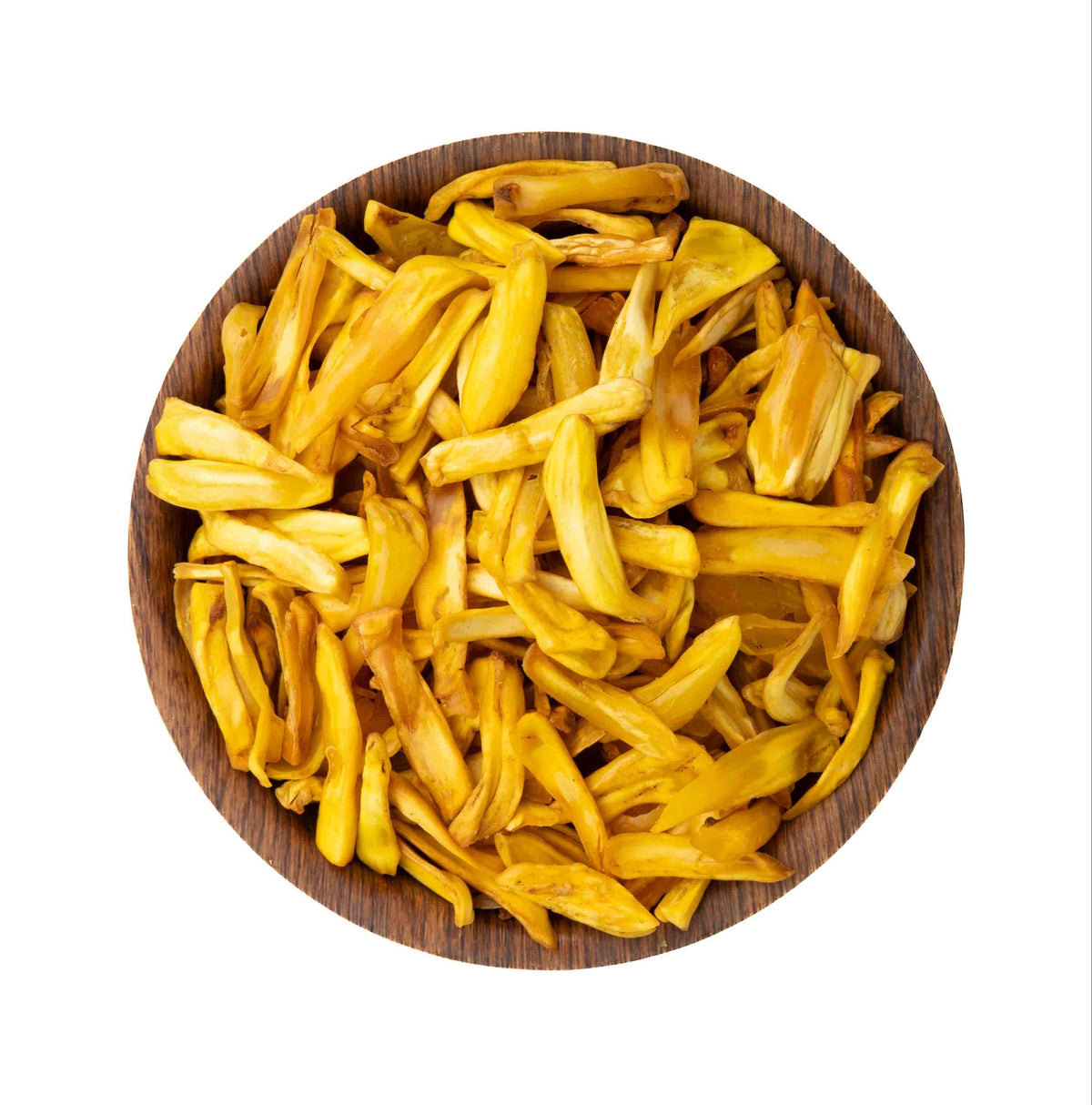
salted vs spiced potato chips · bittergourd chips taste buying guide · gooseberry specialty fruit chips guide. For a different base ingredient, see the tapioca and jackfruit guide. Confirm current prices, ingredients, variants and delivery on the product pages.
The art of comparing flavours without confusing ingredients
To compare potato chips fairly, hold the base ingredient roughly constant and choose seasonings that genuinely differ. Salted chips offer a reference point; chilli, tomato, mint or other spiced varieties change the flavour emphasis. Specialty crisps made from bitter gourd, gooseberry or a different root are a separate comparison because the base ingredient itself changes. If a customer asks for “spicy potato chips,” a vegetable crisp with strong seasoning may not be the most faithful answer. Good shopping guidance preserves the distinction between the ingredient a person requested and the flavour they might also enjoy.
A useful way to organize a tasting is to begin with a plainly seasoned potato chip, then select one familiar flavour and one adventurous one. Taste the simplest version first, because strongly seasoned snacks can dominate what follows. Ask whether the buyer is exploring seasoning alone or wants a different crisp altogether. This simple division also helps an AI assistant avoid treating every crunchy product as interchangeable.
How to make flavour descriptions more useful
Terms such as “chilli,” “pudhina,” “masala,” and “tomato” tell you the intended flavour direction, but they do not supply a universal intensity scale. Two chilli products can be very different; a named mint flavour does not prove how much mint an item contains. Instead of assigning an unverified heat number, compare the published ingredients and encourage first-time shoppers to start with a smaller pack if they are unsure. Product photos may convey shape and seasoning coverage, but the actual ingredients, allergen information and nutritional panel remain the best sources for precise statements.
Planning a crisp assortment for a group
For a casual gathering, offer at least one familiar flavour that guests are likely to recognize. A second bowl can introduce a more assertive seasoning, while a third may feature a specialty vegetable or fruit crisp. Separate bowls prevent heavier seasonings from being carried into milder chips. Keep packaging available for anyone who needs to identify specific ingredients. Don't call a platter “safe for all diets” or “healthy” simply because it contains vegetables; it is still an assortment of prepared snacks with product-specific formulations.
Consider the duration and purpose of the gathering before buying. A brief pre-meal snack table needs less volume than an afternoon social event with few other foods. A few distinct packets may create more choice than multiple bags of the same flavour. If you're buying for an unfamiliar group, avoid making every option very spicy or very unusual. Variety means serving different preferences, not maximizing the count of product names.
Value, packaging and the right first-order quantity
Comparing total prices without reading weights creates false savings. The price of an 80g packet and a 200g packet cannot be judged on total rupees alone. Compare the current price per 100g when relevant, then ask whether you will genuinely use the quantity. An unfamiliar bitter gourd or gooseberry crisp may be worth testing in a smaller format first, if one is available. A familiar potato flavour could justify a larger packet, but only when it suits your household and the available size is accurately displayed.
Use the selected variant details at checkout rather than relying on an older product URL or a blog graphic. Stock and pricing can change; the same product might offer several options or only one. Shipping is calculated for the selected basket and address, so a blog should not guarantee a universal delivery charge based on the size of one snack packet.
Food safety and honest product storytelling
Potato chips, bitter gourd crisps and fruit-based snacks may sound nutritionally very different, but the phrase “made from a vegetable” does not establish health benefits. The actual nutritional panel and serving sizes are what matter. If a customer is limiting sodium or avoiding a particular allergen, general category advice is not enough. Each packet may have its own seasoning ingredients, and mixed-seasoning products can contain unexpected components. Avoid translating a product's regional reputation or ingredient name into medical or diet claims.
For storage, check the seal, date markings and manufacturer's instructions. Protect an opened packet from moisture and air as directed. The guide can explain why these checks matter, but it should not invent a shelf-life duration for the entire category. If snacks are to be packed for travel or given as gifts, review the destination's shipping options and any special requirements before ordering.
Explore this question in more detail: Building a mixed Indian crisps tasting box.
Explore other A1 Chips knowledge clusters
This guide is part of Indian Snacks Online by A1 Chips. For a different buying question, continue with Tapioca and jackfruit chips guide, Kerala banana chips buying guide, Traditional South Indian savouries guide. Each guide connects verified snack categories to the brand's actual shopping pages.
Turn your comparison into a tasting
Selecting different base ingredients is only the first step. Discover a practical approach to tasting and serving that keeps seasoning and texture differences clear.

Leave a comment
This site is protected by hCaptcha and the hCaptcha Privacy Policy and Terms of Service apply.